I Really Really Love You So Karl Newson and Duncan Beedie Little Tiger
The adorable little bushbaby returns in a new and altogether different kind of ‘Really Really’ tale. Now the narrator has a vital message to impart; but how best to do it? That is the burning question. This particular bushbaby is prepared to go to enormous lengths to demonstrate love for somebody very important.
The possibilities are many and sometimes extreme including scaling the tallest mountain to write a loving message
and wrestling with a crocodile. More down to earth ideas come in the form of a floral bouquet, a magic trick or a model robot; perhaps studying what other animals do to say ‘I love you’ and copying such loving expressions as stamping and stomping
or squawking might work better. Assuredly there are myriad ways, but sometimes far, far simpler and most definitely the best way is … What do you think?
Karl’s first person rhyming text together with Duncan Beedie’s illustrations, which are bursting with humour, make a wonderfully warm, fun story for reading with young children.
Now We’re Together Nicola Edwards and Jenny Bloomfield Little Tiger
The world around us is full of wonders – real wonders; but unless we turn off the screens that constantly distract us with their virtual experiences we all miss so much.
The adult in this rhyming story decides that it’s time she and her child start by plunging themselves into darkness, holding hands and venturing outside for a real life adventure. Wow! In the night sky the moon becomes a massive pearl surrounded by stars shimmering like diamonds.
We join the two as uninhibited, they skip, splash, dance, swish and run through puddles and tall grass, into the woods where they pause for a while. Fireflies put on a magical show just for them
and then off the pair go, out of the woods and onto the seashore just as the sun begins to rise heralding the dawning of a new day – just as it does always.
Back through the streets already busy with the morning rush they go, aware that those around them are as distracted as ever by those flickering screens.
Nicola Edwards’ lyrical text and Jenny Bloomfield’s arresting illustrations convey a vital message to children and adults in this heartfelt, uplifting book. I hope it reaches a wide audience.
Blackbeard’s Treasure Iszi Lawrence Bloomsbury Education
This is a swashbuckling adventure set in the Caribbean in the early eighteenth century and features real pirates.
Eleven year old Abigail Buckler lives with her father, a plantation owner; she’s being brought up as a young lady wearing the finest clothes and isn’t allowed to play in them or go out alone. Abigail is resentful of the fact that Boubacar, a young slave who is being trained as a clerk, gets more of her father’s attention than she does.
However all that changes when pirates attack, slaying Major Buckler. Abigail starts to question everything she has come to understand about right and wrong, and ultimately about family, as she and Boubacar embark on the Salt Pig, a ship crewed by pirates and bound for Nassau.
Abigail makes some highly unlikely friends, a surprise revelation is made about Boubacar and both of them face numerous life-threatening situations and ups and downs in their relationship during the next two or three months, with Abigail having to take a number of difficult decisions.
Will she and Boubacar be able to hang on to their very existence?
What a dazzling cast and where there are pirates there must surely be treasure somewhere; or is there? ARRRR! that would be telling.
This tale will have you on the edge of your seat as the plot twists this way and that, while at the same time providing a wealth of historical detail about the Atlantic slave trade, the damage caused by empire and the human losses resulting from the provision of such luxuries as sugar and tobacco to Europeans.
The Bookshop at the Back of Beyond Amy Sparkes Walker Books
This third adventure in the House at the Edge of Magic series sees the travelling house in the magical land of Beyond where Nine, wizard Flabbergast and companions have come to look for Dr Spoon’s partner, Professor Dish.
Their search takes members of the party into various shops; all must be visited and something bought at each one. The shopkeepers are often less than helpful and some shops seem never to be open, most notably the bookshop. Add to all his the fact that Nine is determined to unearth the secrets her mother left behind. She has a guilty secret too; both Flabbergast and witches also have secrets. Power-craving Aunt Ophidia is determined to get the secret formula that Dish and Spoon have been working on but the others from the magic house are frustrated by the continued non-opening of that bookshop. A showdown seems inevitable.
The entire story fizzes and zizzes with madcap magical happenings and mayhem as the fast paced plot zigs and zags. Amy Sparkes’ world building is superb as ever and I love the way her characters develop in this one. It’s altogether weird and utterly wonderful including Ben Mantle’s cover illustration.
Read this to a KS2 class and they will be entranced.
Monster Hunting: Monsters Bite Back Ian Mark, illustrated by Louis Ghibault Farshore
In this second of the zany adventure series, Jack, his best friend Nancy and grumpy, 200-year-old monster hunter Stoop, head off to Scotland where certain monsters are misbehaving.If you’ve read Monster Hunting for Beginners you will know that when monsters start doing that, it’s the job of monster hunters to sort them out.
The monsters in Scotland are causing trouble and making life extremely difficult for the Sisters of Perpetual Misery, the nuns who reside in the ancient Muckle Abbey.
Said nuns have such apt names as Nun the Wiser, Nun Whatsoever, None of This, None of That, Nun of the Above (what fun the author must have had inventing those and others). If they move from their home, which just happens to be above the underworld, it will be THE END OF THE WORLD AS WE KNOW IT.
This task is fraught with obstacles including discontented ghosts, fog goblins, strange loch monsters (maybe they’ll even encounter Nessie) and a newly established and hence rival, hunting agency, which Nancy may or may not join. Not to mention dodgy bowls of cabbage.
Can our favourite monster hunters save the day and hence, the nuns? I truly wish them the beast of Loch with this challenge.
Enormous, or rather monstrous, fun, which is added to by Louis Ghibault’s hilarious illustrations, plus the intermittent lessons about monsters provided throughout the story.
These are two new titles from Little Tiger – thanks to the publisher for sending them for review
We Are Love Patricia Hegarty and Thomas Elliott
Animal parents furry, wrinkly, scaly and feathery invite little humans to watch their demonstrations of love for their offspring. Whether it’s leaping squirrels, plodding pachyderms, diving dolphins, waddling penguins or whatever, we can find loving care in a multitude of places. Young children will be reassured to see that the final pages show a mother and her small child showing their heartfelt love for one another.
A clever cutaway design feature enables the second of the two spreads allocated to each loving parent and little one, to show them coming together to form a heart shape.
A simple rhyming text that flows nicely and Elliott’s textured illustrations of the featured creatures make for a reassuring lap book or bedtime book to share with the very youngest, some of whom may notice that there are other unnamed animal pairs in the background also forming heart shapes and even some minibeasts forming hearts with their wings.
Don’t Mix Up My Dinosaur Rosamund Lloyd and Spencer Wilson
Five dinosaurs provide tactile fun in this matching game of a book. By turning the wheel little ones can help Triceratops find her missing horn; enable Ankylosaurus to get back his lumpy, bumpy club, make sure Velociraptor and her fluffy tail are reunited,
put Parasaurolophus’s crest where it should be and put Spinosaurus and her scaly tail together again.
The wheel is easily moved by little hands and young children will enjoy meeting the various brightly coloured dinosaurs – in their correct or mixed-up forms. They’ll also enjoy learning (and trying to get their tongues around) their correct names; these are provided on the back cover though not in the simple repetitive text. Interactive, inventive and appealing.
Shapes Sums Helen Mortimer and Cristina Trapanese Oxford Children’s Books
These are titles in the Maths Words For Little People series that aims to develop young children’s confidence in mathematical vocabulary and early maths concepts.
Set indoors, Shapes begins by affirming that our everyday lives are full of different shapes – both flat and solid. Some are made of straight sides and corners whereas others – curved shapes – have no corners. (Examples of each are given.)
Various kinds of pattern are depicted, as are shape sequences and tessellation.
A simple explanation of solid shape with several examples in varying sizes comes next, followed by a look at (bilateral) symmetry and finally there are a few questions for young children to answer. For adult users are ten suggestions for getting the most out of the book; and the final page has a brief glossary.
Using a similar structure, and a garden setting, Sums has spreads on more and less, add and take away, and part and whole.
A variety of arrangements of five objects (seeds) is presented and little ones are encouraged to count each set. Counting on and counting back are introduced along with a number line for some practice,
followed by a spread with ladybirds that focuses on the +, – and = signs. The notion that order matters in subtraction but not in addition is demonstrated and then we meet zero and how it has no bearing on the answer if zero is added or subtracted. Daisy patterns are used to explain number bonds for five and the last spreads follow the same structure as Shapes.
Visually attractive, with fun characters and written in an engaging manner, these little books are ideal for one to one sharing at home and should help young children be more mathematically assured in a nursery or other early years setting.
Starting somewhere new is often stressful but when everybody else speaks a different language it is likely to be much more difficult. So it is for Ronnie who has just moved to a new country.
Despite his parents’ efforts to equip him with some basic English vocabulary, his attempts at communication when his nursery teacher asks Ronnie to introduce himself are less than perfect. Sadly his classmates seem unwelcoming and Ronnie is upset that everybody giggles at him.
Back home he recounts what has happened to his mum and dad who do their best to reassure him.
The next day begins well and the other children want to get to know Ronnie better, but due to his lack of vocabulary he is unable to respond appropriately to their questions, leading to further confusion and leaving Ronnie as despondent as ever.
A trip to the park with Dad after school opens the way first to some non-verbal communication and then joyous laughter. It’s this laughter that leads Ronnie not only to the beginnings of friendship,
but also a realisation that both laughter and kindness are universal languages.
Illustration too is a universal language as Vyara Boyadjieva shows in her empathetic portrayal of Ronnie’s feelings and the challenges of being in a new country.
Ultimately uplifting, this sensitive debut picture book deserves to be in all early years and foundation stage settings.
Frank and Bert :The One Where Bert Learns To Ride A Bike Chris Naylor-Ballesteros Nosy Crow
Chris Naylor-Ballesteros’s bear, Bert and fox, Frank, return in a new story again narrated by the latter.
The two pals would dearly love to go on a ‘big bike ride’ but as we see, although things start off satisfactorily, it’s not long before Bert gets the wobbles and something goes wrong.
However one day with Bert claiming that he’ll be just fine, they set off together once more. After a while those wobbles start and oops …
Frank’s not giving up that easily though and he comes up with a supportive idea … or perhaps not.
Can Frank manage to think up something very special to help his best friend get back into the saddle again? And if so, can the two of them get all the way up to the top of that steep hill and safely down again without a disaster?
With its fun final twist, Chris’s story shows friendship at its best – understanding, trusting and ever patient.
Giggles galore guaranteed when you share this comic combination of words and pictures. I love the measured use of florescent colour and the unspoken commentary on Bert’s efforts provided by the bit part players.
I look forward to further episodes starring this delectable duo.
The Octopus, Dadu and Me Lucy Ann Unwin, illustrated by Lucy Mulligan uclan publishing
Twelve year old Sashi’s Dadu (grandfather) has dementia and it’s getting worse. He becomes agitated suddenly, sometimes violent, and now doesn’t recognise his family. So, after a very difficult visit to the care home where he lives, Sashi’s Dad has come to a decision: no more visiting.
Sashi is devastated and her relationship with her Mum and Dad becomes increasingly strained: They just don’t seem to understand how she feels or even want to listen to her. Surely they realise what a very special bond she and Dadu (an erstwhile engineer) have built up over the years: how can they not see this decision as a betrayal of that loving relationship, Sashi wonders.
Endeavouring to make her feel better, her parents take Sashi to the local aquarium and there she encounters Ian, an octopus. Like her Dadu, Ian seems trapped in the wrong place, She decides the creature is indicating to her that it wants to be set free. She begins to channel all her feelings into planning so to do and she enlists the help of two really good friends, Hassan and Darcie.
This compassionate debut story shows a girl using her creativity and imagination to help her process her feelings about Dadu
and her character feels totally credible.
Lucy Mulligan’s black and white illustrations capture Sashi’s creativity in drawings of some of her comic strips and other art. Prepare to be engulfed by the tentacles of this book from the outset and have a box of tissues at the ready as you read.
Ways to Say I Love You Madeleine Cook and Fiona Lee Oxford Children’s Books
The opening lines of Elizabeth Barrett Browning’s sonnet 43 How Do I Love Thee? sprang to mind as I read this picture book, which is a celebration of love, and in particular familial love. Madeleine Cook explores some of the multitude of ways love is expressed: it might be the tender, gentle way in which a parent holds a baby or tiny child; perhaps it’s a caress; a shared experience of the natural world when out for a walk. Sometimes it’s being there with a hug when a child is upset, or a playful tickle at feeding time and a book shared at bedtime.
Being shown love helps a small child to develop self belief and the confidence to forge a path in life. Those things come when love is shown by a listening ear and a readiness to talk things over; also through helping a youngster to learn basic life skills, as well as being supportive when a child takes an important big step such as starting nursery or school.
Those who are shown love from the outset are most likely to be loving towards others as they become more independent; love is a choice and a decision. But one thing is certain, love is conveyed differently by countless different people and that is portrayed so well in Fiona Lee’s diverse characters.
Could it possibly be that love has the potential to bind us all together – if only …
Granny and Bean Karen Hesse and Charlotte Voake Walker Books
Granny and Bean are out walking on the beach: the sea and the sky are dreary shades of grey and beige, but Granny and Bean are undeterred. Suitably clad in raincoats, warm hats, and boots, the pair make their way along the beach, enjoying their time together. Nothing is going to stop these two making the most of their time together. ‘Their laughter rose. Full of joy, it spilled / ‘cross sand, through mist, / as the curlews trilled.’ As they watch the spotted gulls,
so strong is the wind that their hats are blown off, their hair gets progressively wetter and their ‘cheeks chafed red’.
Still they keep walking, only pausing briefly to greet dogs, slowing while Bean jumps over logs until eventually they find a place out of the way of the wildness and there they stop and sit. Time for some tea: bananas and cakes come out of the bag Granny has brought with her. Then they sort through the things they’ve collected during their walk
and keeping only the best shells and a stone, with the sun trying to break through the clouds, the two head for home.
Karen Hesse’s rhyming text has the ideal complement in Charlotte Voake’s mixed media illustrations, which capture both the chill beauty of the natural environment and the tender, loving bond between grandparent and young child. I love the way the stand-out colours of their clothing helps to focus the reader’s attention on their faces and body language throughout.
Memories are made of days such as this; days spent in the natural world. From endpaper to endpaper, a gently magical book to share over and over, especially between grandparents and grandchildren.
Name Your Numbers Smriti Halls and Edward Underwood Walker Books
Using a jaunty rhyming text Smriti Halls introduces little ones to eleven different creatures, each of which offers a counting opportunity and is accompanied by a bit part player (or two). Here for instance is Leopard Evan:
Both words and number symbols for one to ten are used and the final spread has a snappy stand-out surprise, no numerals or number words but a chance to take those counting skills to twenty and beyond. Edward Underwood’s illustrations cry out for youngsters to emulate the subject of each spread be that with some bouncing, trumpery-trumping , growling, roaring or whatever.
One slight snag rears its wings however when Billy Bee states with reference to his stripes, “I’ve got three!” Astute observers may well point out that here the image shows the bee with four yellow stripes and three black ones.
Zebra Won’t Wear Spots Noodle Juice and Mr Griff Noodle Juice
Zebra detests spots, so much so that she never wears any clothes, until that is, her pals point out that going nude can be thought of as “rather rude!” There’s a snag though, Zebra doesn’t possess clothes of any kind. So, her friends take her on a shopping spree and after an exhausting day, Zebra has clothing for all occasions. Even then, so unused to being clad is our stripy friend, that she gets all in a tizzy when she has to choose what to wear for a trip to the pool; and as for drying herself with a spotty towel – not a chance: nor will she don a spotty sweater in the park as darkness descends
or join in the game of Twister at Giraffe’s birthday party.
However hard she tries though, there are some spots that simply cannot be avoided …
This board book about an aspect of good manners presented in a rhyming text and accompanied by wacky illustrations of Zebra and her friends will certainly amuse little ones who will love the unexpected turnaround.
This graphic novel stars a two-headed chicken (one head is pretty stupid, the other head, a whole lot cleverer). This strange entity (in part you the reader, in part your sister) is being chased through the multiverse by an angry green moose, Kernel Antlers, determined to capture, fry and consume it.
In each chapter they travel to a different universe in the multiverse, courtesy of the rechargeable Astrocap, invented and worn by the cleverer head. With a “Bzoop.”this device transports them out of every dangerous situation in just 42 seconds, the intention to find a spot where the moose doesn’t exist. The chase has halts in universes that pastiche Harry Potter and Charles Dickens.
There’s a stop in one universe where “lava is actually lukewarm pizza sauce,” and another in which everyone uses “ginormous” old mobile phones. And the hero makes a number of far out friends along the way.
But who will prevail? Will it be that moose or our intrepid hero? That would be telling; or would it.
Then there’s the fact that the less clever chicken attempts to tell the world’s longest knock knock joke throughout the book and there are several crazy quizzes and puzzles.
The author’s boldly coloured art (and some real NASA photos of the universe) tells most of the story and Angleberger gives credit to the joke books of his childhood as inspiration for the brand of humour and the style of drawing.
A ridiculous romp if ever there was one and possibly the most absurd book I’ve ever read. Those with a penchant for craziness of the exciting kind will enjoy this bumpy ride.
Pick A Story: A Dinosaur + Unicorn + Robot Adventure Sarah Coyle and Adam Walker-Parker Farshore
The second in this interactive picture book choose your own adventure series offers another array of possibilities.
It’s Gwen’s birthday and Dad has made a cake; not the train shape she’d hoped for but it looked pretty tasty all the same. However with the party about to begin, said cake vanishes. Now what? Readers have three crazy starting points for the birthday girl’s search: could the thief be a unicorn from up in the clouds, a confection-loving robot in robot city
or perhaps a ravenous dinosaur roaming on a savannah?
Sarah’s super-lively text contains alliteration aplenty, a sprinkling of onomatopoeia and generous helpings of other playful language. And, in addition to choosing how the narrative plays out, readers are invited to consider various questions that feed into the action:’What amazing robot ability would you like to have?’; ‘Which cloud cake would you like to nibble?’;
Which ballistic bake would you eat? (in dino-land). Adam Walker-Parker’s humorous illustrations are equally energetic, full of comical characters and decisions to make on every spread. Another dead cert winner of a book that gives and gives and keeps on giving as it sends readers backwards and forwards through its pages. And what of the cake? Will Gwen find that which she seeks? I wonder …
A Pinch of Love Barry Timms and Tisha Lee Frances Lincoln Children’s Books
A little boy and his grandmother love to cook together and they especially like to make the titular pinch of love one of the ingredients no matter what they bake. Through Barry Timms’ rhyming text and Tisha Lee’s vibrant acrylic illustrations, that heartfelt love is shared throughout the local community. We see the empathetic little lad out offering fresh cookies to those in the neighbourhood; he seems to know just when there’s a need for a tasty treat that contains that vital ingredient.
Readers will enjoy the ‘sticky moments’ grandmother and grandson share in the kitchen as they too sometimes need a touch of tenderness especially as they prepare for that big neighbourhood fund raising bake sale at the community centre.
Choosing to be kind and loving isn’t always easy, but Tisha’s scenes of the wonderfully diverse community show just what a big difference it can make to be on the receiving end, as well as for the giver.
Love can be a power like no other: that message comes across in both the skilfully mixed text and the illustrations that add further heartwarming details to the words.
A lovely book to share with children and a smashing starting point for a class or local group event along the lines of the one shown in this story: baking/food is both a means and a metaphor for ‘paying it forward’.
My Father Is A Polar Bear Michael Morpurgo, illustrated by Felicita Sala Walker Books
Drawing on his own experience, Michael Morpurgo wrote this story over fifteen years back with the insight of adulthood. It’s hugely poignant as, starting in 1948, we read of two boys, Andrew and big brother Terry and their search for their biological father. Andrew is aware that he has two fathers; Douglas the one the boys live with, and the one who is never spoken of.
When his brother shows him a picture of a polar bear in a Young Vic Company’s dramatisation of the Snow Queen and says it is his father, five year old Andrew is more confused than ever. However, Andrew’s father is an actor. playing the role of the polar bear and it is that which triggers their search. It’s one that takes many years until eventually both Andrew and his brother
find the way back to their birth father and to a healing acceptance.
Michael’s beautiful prose and Felicita Sala’s drawings both capture so well, the child Andrew’s view of the world in this short pensive book.
A fault finding fruit if ever there was one – that’s Grape when first we encounter our narrator in this latest addition to the Food Group series. But the grape wasn’t always so, as we hear. Indeed Grape had a pretty perfect childhood growing up in a “close-knit bunch” – a community of about three thousand.
The transition from sweet to sour started when Grape planned a big birthday party to which nobody at all turned up. Thereafter began the personality change, first to a bitter grape, then a snappy one that would hold a grudge at the slightest little thing. This would manifest itself as a scowl that turned Grape’s face ‘all squishy’. Gradually the grudges built until one day, Grape is due to meet his only friend, sour Lenny, for one of their regular ranting sessions. But a sequence of mishaps result in Grape arriving at the venue three hours late. Guess who how holds a great big grudge.
A disbelieving Grape ponders on the situation and then leaves his friend to grumble alone. As Grape enjoys the surrounding nature, there follows a light bulb moment and off home goes the fruit to find and browse through a box of keepsakes. Goodness me! Grape discovers that old party invitation and the date written thereon was ten days after the birthday date. “It was all my fault. I realised nobody’s perfect. Not even me.”
Thus begins a change in the attitude of our narrator who finds that talking, listening to others and working things out calmly is the way to go.
What an important life lesson, and delivered in Jory John’s punny prose and Pete Oswald’s signature style illustrations, make it great fun. A book that adults, as well as youngsters should read; after all as Grape concludes, ‘If you look at things in the right sort of way – and if you remember to be kind, considerate, forgiving and grateful – life really can be pretty sweet.’
Letters to Anyone and Everyone Toon Tellegen, illustrated by Jessica Ahlberg Boxer Books
More than twenty short tales each with an epistolary element and all written by a group of animals including elephant, snail, squirrel, ant, carp, bear and mole, are found between the covers of this delightfully quirky and unusual book translated from Toon Tellegen’s original Dutch by Martin Cleaver. You will find a fair number of cakes,
friends aplenty and some wonderful meditations on life itself. Whether or not, like the squirrel, you can convince yourself that it’s possible for a table to write a letter is your decision, but really it’s only a small step from accepting that an ant can attempt to write his memoirs.
It’s impossible to choose a favourite but I really loved the first – Elephant’s letter to Snail:
‘Dear Snail, May I invite you to dance with me on top of your house? Just a few steps? That’s what I want most of all. I promise I’ll dance very delicately, so we won’t fall through your roof. But of course, you can never be really sure. The elephant.’
Snail responds and this eventually results in the two dancing together, to the pachyderm’s delight.
Others are more surreal and the book ends with all the animals coming together on the final day of the year and writing a very considered letter to the sun. And yes, in case you’re wondering, they do receive a reply.
Jessica Ahlberg’s delicate illustrations bring the letter writers to life and provide a perfect complement to the tone of the text. This is a thoughtful book to savour and one that will appeal especially to those who enjoy reading something thoughtful with an edge of excitement.
Be Wild, Little One Olivia Hope and Daniel Egnéus Bloomsbury Children’s Books
‘Wake up early, don’t be shy, / this bright world can make you FLY. / Be wild, little one.’ So urges the author in her opening lines of this exhilarating, rhythmic text that encourages children to believe they should go out into the world, explore it imaginatively and believe that anything is possible; in other words, to make the world their playground. Be it climbing trees, swimming in the deep blue ocean, chasing storms, (yes those will eventually go) or running with wolves through snowy mountains,
Daniel Egnéus captures and enlarges the experience with his glorious, memorable scenes of a child embracing the wonders of the natural world and experiencing every opportunity as an adventure. Not only do the words sing but so too, do the illustrations. And what better way to end than with this final spread where readers feel that they really are standing alongside the child under the starry sky ready to relish every moment of that adventure.
Truly a joyous, magical book bursting with encouragement and energy; be yourself in this wonderful world and embrace life imaginatively and fully. What better message could you give a child? A must have for class collections and family bookshelves.
These are two new books both featuring Sophie the Giraffe – thanks to Templar Publishing for sending them for review
Sophie: My First Christmas
In this interactive, seasonal board book Sophie giraffe and her friends are having fun in a game of hide and seek. It begins outside in a snowy landscape with fir trees and a snowman as hiding places,
then moves indoors where a huge present and a stocking make good places behind which to disappear and wait for little hands to lift the felt flaps and reveal other animal players. Finally, with Sophie ready and waiting, it’s time to open her door and see who has arrived – just in time for Christmas.
Simple, fun and an ideal offering for a baby’s first Christmas.
Sophie: Baby’s First Year
The text of this book is written from the viewpoint of the baby and provides a journal wherein to collect all those important details of a little one’s first twelve months. It begins even before his/her birth with three spreads allocated to in turn,’Before I was born’, ‘Being pregnant’ and ‘Family Tree’, which are followed by ‘The day I was born’ and ‘All about me’; and the final spread extends beyond that first year with space for birthday photos until the subject is five years old. There are spaces for such things as handprints and footprints, envelopes in which to keep mementos and each page is well designed with some animal characters helping to make it visually attractive.
This would make a great gift for new parents or for a child’s dedication or naming ceremony.
Celebrate With Me! ed. Laura Gladwin, illustrated by Dawn M. Cardona Magic Cat
Twenty five creative people including chefs, artists, storytellers and designers from various parts of the world, have a double spread in which to present their favourite festival. Each person provides an introduction telling what makes their chosen festival special for them. Some festivals have a fixed date and others vary each year and the book starts with New Year’s Day and closes with New Year’s Eve. It introduces readers to some of the less frequently mentioned festivals and celebrations as well as presenting some that are well-known including Diwali, Eid-Al-Fitr and Easter. I had not come across Juneteenth before reading baker and food justice advocate, Michael Platt’s spread on the celebration.
Since food is such an important festival component, every one includes a recipe (to be used under adult supervision) – some are sweet, others savoury – as well as an art/craft activity, a story, song, game or something else that for each presenter, is part and parcel of their personal way of celebrating.
The book concludes with a look at some birthday traditions around the world and a spread suggesting readers ask those they know some festival related questions.
Diversity is key in this invitingly illustrated book. It’s a great way to learn about a variety of cultures and to help readers feel connected to the cycle of the year and to other people.
5 Minute Nature Stories Gabby Dawnay, illustrated by Mona K Magic Cat
Nine lyrically written stories about various key topics demonstrate the interconnectedness of the natural world. Starting with The Mystery of Mushrooms, poet and science writer Gabby Dawnay presents first a story and then the key facts about each of her chosen subjects. Her mushroom story begins with the distribution of spores scattered by the wind across the forest floor where, in the moss they start to create a network that grows and spreads underground until up pop a cluster of little mushrooms ready to start the cycle over again.
Making links with the underground mycelium by means of a partnership called mutualism, are the roots of the trees that also form an invisible subterranean web, we learn of in The Wood Wide Web.
Next to make an appearance is a group of Red Deer that forage on the fruits, bark and foliage of the woodland terrain that gives them a protective environment. These majestic creatures sing The song of the Deer, the chorus of which is, “This forest is ours / and together we’re strong. / In the meadows we roam, / in the woods we belong!”
Meanwhile, high up in the branches is a nest upon which sits an adult starling, until that is, three baby birds hatch from their eggs. Thereafter Mama Bird flies off to seek worms in response to their call for food. That she will do until some months later, they are ready to fend for themselves. Then comes The Flight of the Starlings as this story is called.
Other tales are of the metamorphosis of frogs, the amazing seven year long ‘feast’ of the stag beetle, the honeybee’s dance, photosynthesis as seen through the eyes of a little grey rabbit and finally, we encounter the tiger moth that uses moonlight to orientate and guide her nocturnal flight to find a mate – it’s called transverse orientation.
Each story is illustrated by Mona K whose natural world scenes are an appealing mix of realism and anthropomorphism. A lovely book to share.
A Dancer’s Dream Katherine Woodfine and Lizzy Stewart Simon & Schuster
Recently out in paperback is this lovely story that combines history and fiction to present the story of The Nutcracker ballet from the viewpoint of Stana, a young dancer at the Imperial Ballet School, St Petersburg. In the run up to Christmas, Stana auditions and on account of her feeling for the music, and her imaginative expression, is selected for the leading role, Clara, in a brand new ballet, The Nutcracker.
Stana’s reaction to her selection is tempered with other concerns. She loves the chance rehearsals (overseen by the composer, Tchaikovsky, himself) bring to escape from worries about her older sister who is in hospital, but the worries are still there especially the cost of her treatment. She worries too about the reaction of her best friend who wanted to play the lead; and of course, is she up to the part? However, she also feels that if she dances well enough, her sister will recover, which is a powerful motivator as well as a huge responsibility.
Although she receives kindness and approval from Tchaikovsky, the first reviews for the ballet are disappointingly negative. ‘Stana’s magic chance to shine melted away’ we read. However, just when she’s feeling that nothing is working out as she hoped, she receives good news and a wonderful, surprising gift. Christmas will after all be brighter than any dream she might have had.
This magical book of kindness, friendship, determination and self-belief would make a smashing Christmas present for readers who already love the world of ballet or are yet to discover it.
One day, a Monday to be precise, a little boy discovers a polar bear in his garden – a very tiny one. So small is the bear that he can sit in the boy’s hands. The boy speaks to the bear and realising he must be lost wants to help him. Over the next few days two things grow – the polar bear and the friendship between bear and boy and by Wednesday, it’s time for the two to set sail.
They embark on a journey that takes until Sunday when the bear is reunited with his family. After a day playing with the polar bears, the boy knows he must say goodbye to his special friend and sail back home. This he does, safe in the knowledge that the bear’s love will stay with him.
With the caring boy narrating the story, and Richard’s wonderfully gentle portrayal of the events and the growing loving bond between bear and boy, we truly feel as though we’re with them throughout. It’s this care and concern that lies at the heart of the story: “Are you lost, little bear. Can I help you?” comes the boy’s first question; then on Thursday we read ‘he had grown too big for my hat … So he curled up tightly, safe and warm in my bag.’ while on Saturday we see this:
Comforting and reassuring, this is heart-winner of a book that lingers in the mind and is open to several interpretations depending on what readers/listeners bring to the story.
A Clock of Stars: The Greatest Kingdom Francesca Gibbons, illustrated by Chris Riddell Harper Collins Children’s Books
This is the third part in Francesca Gibbons’ fantastical adventure trilogy.
With Anneshka now in the world of humans searching for the greatest kingdom and Mum’s boyfriend, Mark, dangerously ill in hospital on account of some monsters he accidentally carried home, Imogen and Marie face some enormous problems and the clock is ticking to save Mark’s life.
There’s magic aplenty awaiting as we follow the sisters as they make one final journey through the door in the tree. Their quest will mean they must travel – much further than they’ve ever done before – right into the strange enchanted lands of Nedobyt; giant birds and a lot of flying are involved.
Meanwhile elsewhere, feeling more lonely than ever before, Miro, is also on a journey – to find his mother’s family. Almost thankful to be accompanied by Princess Kazimira, he heads towards the Nameless Mountains where he hopes to track down his two grandmothers.
This is an absolutely brilliant, breathtaking finale with so much at stake. Lots is learned including that Imogen realises she’s not the only one to have ‘worry creatures’, Miro has them too.
I don’t want to reveal too much about what unfolds or it will spoil readers’ enjoyment of Francesca’s truly spellbinding tale. Make sure you take a good look at Chris Riddell’s superb portraits of the characters at the front of the book
With all prophecies fulfilled, the clock of stars has stopped ticking; wither next for this amazing author I wonder.
Little Elf’s Christmas Surprise Helen Baugh and Nick East Harper Collins Children’s Books
Little Elf can hardly contain his excitement: at last he’s sufficiently grown up to be able to wear one of those red and green hats that are considered a special perk for Santa’s elfin helpers. As the other elves complete the loading of Santa’s sleigh, Little Elf proudly holds in his hands the final ‘Dear Santa’ letter in the entire land and begins to read. So intent is he that Little Elf fails to notice the icy patch in the workshop doorway and whoosh! He slips, slides, thumps and in so doing lets go of that all important letter.
Back on his feet, Little Elf chases the whirling, swirling letter through the snow and ice but just as it’s almost within his reach, the elf takes another tumble. ‘But he HAD to catch the letter! / It just COULD NOT disappear! / Or a child would think that Santa had / forgotten them this year.’ Off he goes again with increased determination.
After further accidents, our Little Elf finally has the letter in his hand and off he hurries back home to read it.
What he discovers as he shares its contents with his fellow elves causes considerable consternation among them and a selfless action on the part of our little hero.
Young listeners will love joining in with the repeat refrains in Helen’s rhyming text and revel in the final surprise. With gentle humour, Nick captures the chaos that is Little Elf’s chase, brilliantly showing his perturbation as he ploughs his way through the wintry landscape.
The Real Dada Mother Goose Jon Scieszka and Julia Rothman Walker Books
I wonder who had more fun, Jon Scieszka, guided by Dadaism turning half a dozen nursery rhymes inside, outside upside down, or this reviewer reading the outcome. It is dedicated to Blanche Fisher Wright, who in 1919 illustrated the The Real Mother Goose and whose art is reproduced throughout the pages here. The whole book is just so clever, playfully subversive and absurd.
Scieszka and illustrator Julia Rothman transform each nursery rhyme starting with Humpty Dumpty, into six new versions. These renditions are a censored form where key words are covered over, a verbose version, a boring version wherein the King’s horses and men ‘Didn’t really have to do anything.’ Then come a postcard from Humpty to his parents, a version using morse code and finally a version translated into a series of five foreign languages.
Jack be Nimble is given in three coded forms; in Esperanto, there are multiple choice options, presentations as a grammatical exercise, one is given the Spoonerism treatment and a classroom book report.
I love the Jabberwocky version of Old Mother Hubbard
and in two variations, Old Mother Hubbard has morphed into ‘Old Mother Luvven’ who went to the oven ‘To get her poor iguana some crickets and mealworms.’ and ‘Young Dr Fabratory’ who went to the laboratory, ‘To refit her latest robot with a new, faster and larger memory.’ The two are left pondering however on account of the disappearance of the laboratory. Brilliant mucking about this.
Hey Diddle Diddle becomes a news article in The Daily Goose, a recipe for stew,
a map of Diddle Town, a knock knock joke, the topic for a quiz and this splendid haiku ‘Hey diddle diddle, / Cat fiddles, Cow moons, Dog laughs / “Run!” says Dish to Spoon.’
And so it goes on finally coming full circle – kind of.
Throughout Julia Rothman has fun cleverly manipulating Wright’s original illustrations and there’s a wealth of backmatter that will please older children and adults be they teachers, parents or interested others. Dadaist delight this.
Detector Dogs, Dynamite Dolphins and More Animals with Super Sensory Powers Christina Couch and Cara Giaimo, illustrated by Daniel Duncan Walker Books (MIT Kids Press)
This fascinating book introduces animals large and small, each one having been selected because it has the ability to perform a specific task such as testing treated water, or has a special highly developed sense.
There are eight main topics, one per chapter and readers are also given briefer notes on many others. First we learn of a dog named Eba, trained to help a human killer whale biologist track endangered orcas. Eba is ‘possibly the only dog in the world trained to sniff killer whale poop’. Then there’s Cynthia, a ferret living underground in Leicester. One of fifty, their task is to help humans run cables through ‘skinny underground pipes and replacing pipes when they break.’ This they do by means of their whiskers.
Rosita is a goat – a risk abatement goat – one of a herd that climb over the rocky hills of Southern California, eating dried-out bushes, grasses and other dried-out plants, thus removing fuel sources for small fires which could get out of control, as well as creating paths that are helpful for human firefighters coming to put out flames.
Did you know that since 2002 researchers working on the ICARUS project have used tracking tags placed on thousands of animals the world over and monitored from space as a means of predicting earthquakes. One such is a cow named Bertha in Italy; in 2016 she was able to sense an imminent earthquake.
Each chapter is followed by a related ‘activity’ for children to try out. These include simple guided experiments to test their abilities to for instance follow a scent trail or use echolocation.
All the creatures mentioned help their human co-workers tackle real-world problems like pollution and global warming but sometimes there are ethical considerations and the authors don’t overlook these.
In addition to the colour photos, Daniel Duncan provides some gently humorous illustrations;
and the source notes and bibliography are excellent. Altogether an engaging and enlightening book.
Whose Tracks in the Snow? Alexandra Milton Boxer Books
‘Look! Look! / Tracks in the snow!’ is the cry on each alternate spread in this gorgeously illustrated book that introduces readers first to the footprints and then having described the chief characteristics of the prints, ‘Tracks like hearts, Tracks in two lines’, asks them to guess who left those marks, ‘by the snow-covered pines?’
The black smudgy marks each time are a close facsimile of what children would see in the natural world and a small glimpse of a part of each animal provides an additional clue, in this instance, the dark brown tip of a lighter brown tail. The page turn reveals the answer—‘A shy red deer’—and some information about the creature depicted in all its glory.
The rhyming text with its repeat refrain is a joy to read aloud, the descriptions of the tracks are superb ‘Tracks with lines, / Tracks like a kite’ are those of a waddling wild duck,
‘Tracks like diamonds …’ refer to those made by the bushy-tailed fox’, but it is Alexandra Milton’s exquisite collage illustrations at every turn of the page that are the real show stoppers. Just look closely at the snow with its variations in colour and small portions of shading. Six animals, six landscapes and each a joy to behold.
What a wonderful way to entice youngsters out into the woods on a snowy day for some track-spotting. (The back endpapers show life size tracks of the six animals – pheasant, duck, fox, hare, deer and squirrel.)
The Frost Goblin Abi Elphinstone and Fiona Woodcock Simon & Schuster
If you don’t think winter’s frost is fun then you should read this book: actually you should read it anyway as it absolutely sparkles with magic and fizzles with enchantment.
One cold winter’s night quiet young Bertie Crash-Wallop’s heart wobble causes him to creep out from his noisy home without his family noticing. As he pauses on the swing, he spots for the first time, a door handle and having investigated further, not only does he get a tingling feeling but he discovers a small door through which he steps, only to hear someone whispering.
Thus it is that Bertie is drawn into a thrilling goblin adventure for he follows one Archibald Frostgobble and a wonderful chocolatey smell and learns that on this, the night of the deepest, most important frost of the year, the goblins must ensure that it’s scattered over the entire town of Clatterstomp before dawn. Before long it seems as though Bertie himself might make some magic; he meets a young goblin child, Ada, and is soon accompanying her on an exciting, magical undertaking scattering frost with his new friend.
Eventually ‘It was as if a giant had breathed silver into every corner of Clatterstomp.’
Goblin magic we discover has the power to transform for not only can it ‘rekindle hope in the sleeping hearts of all those who needed it,’
it also shows Bertie that he does in fact belong in his family and just how much they all love him.
Team Abi (author) and Fiona (illustrator) have created their own magic in this wonderfully heart-warming, moving story that makes a perfect read aloud, especially on the coldest days.
With her exquisite descriptions Katharine Orton brings her own special brand of magic to this sparkling fantasy tale.
To live in the shadow of Mountainfell, is to live in perpetual fear be it from witches cursed with hex-magic, the cloud dragon that terrorises the community, or from the earth-shaking tremors rolling down from the wild mountains.
Erskin, a shy lonely girl and her elder sister, Birgit, are the children of the mountain keeper, the guardian of their village of Lofotby; and when Birgit is snatched by the dragon, Erskin knows she must summon all her courage to embark on the journey of a lifetime to find her and bring her back home.
What ensues is a perilous quest that not only tests Erskin’s determination and bravery but some of her long held beliefs and she finds herself searching not only for her sibling but much more besides.
She makes some surprising friends, meets a least one heinous villain and there’s magic aplenty as she finds out more about that supposedly deadly dragon. She also has to try and avert an ecological crisis and learns to accept herself as she is, thanks in no small part to a friend she makes, who accompanies her on her journey.
This is one of those books where you are desperate to discover how the breathtaking adventure turns out, but equally, you don’t want the story to end; it’s just so brilliant and for me Katharine Orton’s best yet.
Floof Heidi McKinnon Allen & Unwin Childrens Books
Put me in a room with a cat and within minutes I will be wheezing and sneezing and have streaming eyes, so the thought of getting close up and cuddlesome with one is something I would certainly avoid. However, one glance at the alluring image with those big round eyes on the cover showing star of Heidi McKinnon’s book, Floof, is enough to make even this cat phobic reviewer want to spend some time with the creature.
Then to see this
brought on a strong urge to snuggle up and share some of the books in the pile with the ‘furball’. Even better, readers and listeners are able to have a whole ‘busy’ day with the mischievous Floof and in so doing, relish all the mismatches between what the words say and what the illustrations show is actually happening.
Not only is this a smashing book to share with young children, it’s also a good one for those in the early stages of reading to try for themselves, preferably after an adult or older child has read it with them.
With humour and delight in equal proportions, this fun book will bring a smile to your face at each turn of the page.
The Heart of a Giant Hollie Hughes and Anna Wilson Bloomsbury Children’s Books
Meet young Tom. His mother ‘has gone away’ we read. Not so the hills up which Tom likes to climb every day and beneath which so it’s said, sleeps a giant.
When out walking one day Tom lies down to rest and pressing his ear to the ground, he listens for a heartbeat. Suddenly he feels the earth start to tremble and shake, which sends him rolling downwards. The giant has woken, but having found his feet again, does Tom run away as his instincts first tell him? No, for he realises that the great being is a child too. The giant introduces himself as Abram, Abe as Tom is to call him and thus a new friendship is forged. Abe goes on to tell Tom that more than a century ago his Mammy Giant left him and now he’s grown tired of waiting. Perhaps she’s in need of help, they decide, and so begins their long, arduous trek in search of her.
Eventually they lose hope, Abe especially, and his outpouring of pain, frustration and fury causes the ground to open. Can Tom, an ordinary human child save the situation and perhaps even bring some cheer to Abe? He’s certainly going to have to draw on his new-found inner strength and resourcefulness.
With themes of friendship, love, loss and bravery, this beautifully written and illustrated book is one that lingers in the mind, especially the thought that as Tom’s mother said to him before she died, “each of them would always be within the other’s heart.’
Hollie’s lyrical, rhyming, self-affirming text has its perfect complement in Anna Wilson’s illustrations with that gorgeous colour palette and which capture so well the emotional roller coaster of a journey both friends undertake.
Here are two Christmassy board books from Little Tiger – thanks to the publishers for sending them for review
Where’s My Santa? Becky Davies, illustrated by Kate McLelland
When Santa goes missing, it’s up to little fingers (and eyes) to track him down in this touchy-feely book. Guided by the simple text with its repeat refrain and with boot prints, a snowman’s hat, sparkly boots belonging to Elf,
Reindeer’s warm coat providing different tactile experiences and the trail of colourful prints traversing the pages towards a final fold-down flap that reveals the object of the search, very young children will delight in exploring Kate McLelland’s brightly coloured festive pages to discover Father Christmas’s whereabouts.
My Little World: Christmas Patricia Hegarty, illustrated by Fhiona Galloway
There’s seasonal counting fun for the very young as Patricia Hegarty’s rhyming narrative takes listeners and readers from ‘One little Christmas tree’ through to ‘ten presents to find on Christmas Day’.
On the way they’ll encounter a host of characters – polar bears, bunny rabbits, owls, snowmen, carol singers, penguins,
elves and reindeer, all in one way or another busy around the central die-cut Christmas tree, until those reindeer take Santa on his delivery round and the tree is adorned with baubles and lights. All this is shown in Fiona Galloway’s bright, jolly scenes of snowy fun and frolics.
Sara is visiting her Grandad who lives in the north, deep in the countryside. It’s the run up to Christmas and the intention is that they will both return to Sara’s parents in time for them all to be together at Christmas. Mum is expecting a baby imminently.
However things don’t quite go to plan, a very heavy snowfall cuts them off making the journey impossible. Grandad, who is writing a book on Inuit folk tales, does his best to keep her entertained with stories about his Arctic childhood, in particular about finding a young polar bear when he accompanied his own father to the Canadian Arctic.
The following day Sara builds a snow bear of her own and in the worsening snowstorm she and Grandad make a small igloo. Then in his efforts to keep his granddaughter’s homesickness at bay, Grandad agrees that the two of them can share a midnight feast in the igloo.
There, under the twinkling stars, Sara dreams her very own magical adventure wherein she meets a bear cub looking for its mother, an Inuit boy Alignak and his grandmother, and learns something of their culture.
Beautifully written and full of charm, albeit with lots of shivers, this is a lovely story to read aloud in KS1 or for solo readers from around 7. Snuggle down and prepare to be transported by this 10th anniversary edition.
Supertato Presents Evil Pea and the Beanstalk Sue Hendra and Paul Linnet Simon & Schuster
Welcome back to the supermarket. The curtain’s up on the silliest ever pantomime performance of Jack and the Beanstalk narrated by Tomato and starring a said to be kind-hearted pea, Jack and its mum, Supertato – oops mustn’t let the name slip during the show.
In an endeavour to eke out their almost non-existent cash, Jack’s mum sends him off to market to sell Daisy their cow. You pretty much know how the story goes with Jack agreeing to swap Daisy for some supposedly magic beans, which against the odds the following morning, having been tossed out of the window in disgust, have transformed into a beanstalk.
Upon learning from said beanstalk that the riches await at its top, Jack (don’t even think of calling him ‘good’) begins to ascend, protesting loudly and vigorously.
Happily with Jack duly saved from his life threatening experience, he and his rescuer proceed upwards, enter the castle they find and encounter first an egg laying being, followed shortly after by a ‘glorious mystery guest’ of the fruity kind intent on consuming its visitors.
Fortunately for Jack and his ma they manage to escape, Jack still protesting his ‘not’ goodness, and about to receive a show-stopping surprise. With its delightfully daft finale, this latest Hendra/Linnet extravaganza definitely deserves the encores that young audiences will demand. There’s no doubt who is playing the bean swapper Jack encounters but I wonder if they’ll guess who is playing Daisy the cow.
This is the tenth Supertato book and it’s great to hear that £1.29 of the cover price from each copy of Supertato presents Jack and the Beanstalk sold will be donated to Save The Children.
Namaste is a Greeting Suma Subramaniam and Sandhya Prabhat Walker Books
When I first started visiting India many years ago ‘namaste’ was explained to me as ‘my heart to your heart’ – a lovely summary I thought. Now the author and illustrator of this delightful book explore the meaning of the word namaste, used by Hindi speakers as a greeting. Herein a little girl discovers that in fact ‘namaste’ is all around her and can be expressed by a smile, through friendship, celebration, a yoga asana, silence and much more.
I love Sandhya Prabhat’s bright storytelling illustrations showing the interactions between the child and the grandmother character and how the former nurtures a plant for the latter.
This seemingly simple book has considerable depth and is one to share over and over with young children; it’s a delight.
Balloon to the Moon Becky Davies and Jennica Lounsbury Little Tiger
Drawing on mindfulness and meditation techniques, Becky Davies’ dreamy lilting rhyming text and Jennica Lounsbury’s soft lyrical illustrations encourage young children, safely tucked up in bed to let go, relax completely and gradually drift off into dreamland.
An adult switches out the light and we watch as the moonlight calls through a small girl’s window, causing her bed to lift and balloon-like, drift gently out into the star-filled, moonlit sky, guided by firefies. Silver songbirds and sheep-shaped clouds accompany the moving bed over land and sea to the accompaniment of dolphins’ songs, shushing water and chorusing whales
as it continues its journey through the velvety night sky towards the smiling, welcoming face of the moon and sleep’s loving embrace.
If you’re looking for a sleep-inducing picture book to share with young children, try this gentle, reassuring story just before bed.
The Big Book of 100 STEM Activities Laura Minter & Tia Williams Button Books
There’s fun learning aplenty in this latest offering from team Laura and Tia. Comprising one hundred STEM activities divided into nine sections, each one is clearly set out with step-by-step instructions and photos to act as a helpful guide. First though, essential reading is an introductory spread that includes a paragraph about safety, one listing craft essentials and another, food items.
Most of the activities (or variations of them) are familiar to me as a primary teacher of many years experience and having worked with all ages from 4 to 11, but there are some I’ve not come across before. One such is the Da Vinci bridge construction from the ‘Engineering & Numbers’ section: this requires nothing more than 18 lolly sticks of the same size, some manual dexterity and patience.
Another from the ‘Matter & Molecules’ section – Ziplock pencils – is best done outdoors for obvious reasons.
Did you know you can make a rocket from a paper straw and find out something about propulsion and air resistance while so doing? This is an activity that might be even more enjoyable if done with a friend or sibling as with two people they could add a competitive element and see who can send their rocket further each time. You’ll find it in the ‘Motion’ section.
With Christmas holidays on the horizon this could be a boon for restless children; it will keep them gainfully engaged away from their screens for a considerable time.
Johnny Ball International Football Genius Matt Oldfield, illustrated by Tim Wesson Walker Books
In this third title in the hugely funny Johnny Ball series, the nine year old football manager has perhaps his biggest challenge yet: to take the Tissbury Tigers all the way to becoming winners of the WORLDIES (aka the World Youth Championships). Just imagine the headlines in the local paper. There’s a big problem though, Johhny’s elder brother, the mega-talented striker Daniel has been injured – a broken tibia – and has been instructed to rest for two months.
However, with their victory in the play-off match, the Tigers are on their way to Capdevila in Spain. Next comes organising their coaching team and after that, the players. With four needed to make the squad complete, it’s time for a team trial. Job done, and with packing also complete, the journey begins.
Arrival means that Johnny’s brain must go into overdrive as the matches get under way. With three results in the group table, the Tigers reach the semi-finals and after a day of rest, must play the Lions.
What happens thereafter, I will leave readers to find out and just assure them that so doing is definitely worth it.
Full of hilarious moments and some nail-biting ones, this story, with Tim Wesson’s rib-tickling black and white illustrations, will most certainly be a winner with young soccer enthusiasts.
The Naughtiest Unicorn and the Firework Festival Pip Bird, illustrated by David O’Connell Farshore
Having missed the Diwali extravaganza, Mira is really excited about the forthcoming firework festival at Unicorn School, especially as she’ll be watching with her unicorn Dave. Once there though, Mira finds out something upsetting: there are to be no fireworks. Surely that can’t be right?
Step forward DI Mira Desai to try and solve this mystery. It doesn’t help matters that Dave has already managed to get himself covered in sticky caramel after immersing himself in the toffee apple mixture in the cauldron; but the investigation must go ahead no matter what. That means Mira and Dave must track down the ‘Lightning Bugs’ that live in the Fearsome Forest. Said creatures love to put on magical light shows with their glowing bums and the key to getting the bugs to perform is to make them laugh. Off go Red Class plus unicorns into the forest …
But what will make those bugs laugh? It’s certainly not going to be straightforward.
With a considerable number of rear end emanations from Dave, this latest episode starring Mira and Dave will provide plenty of fizzing fun and frolics for fans of the series whenever they read it.
My First Book of Electromagnetism Eduard Altarriba and Sheddad Kaid-Salah Ferron Button Books
In their usual stellar way author Sheddad Kaid-Salah Ferron and illustrator Eduard Altarriba present another STEM topic – that of electromagnetism, broken down into bite-sized portions suitable for primary readers.
In our modern world it’s almost impossible to think of many things that work without either electricity or magnetism but what actually are these physical phenomena and how do they work together? Furthermore, what do these things have to do with light? These and many other questions are explored in this fascinating book.
To relate the story of electromagnetism and our developing understanding of it, the author takes us way back to circa 600BCE to when Thales of Miletus’s first experiment with magnetic attraction when by rubbing a small piece of amber on some fur, he noticed a strange force that could attract small pieces of straw. Moving on we encounter Benjamin Franklin, an 18th century American scientist who worked on the idea of electrical charge in his experiments.
Until the work of Ørsted and of Ampère people thought electricity and magnetism were unrelated; those two experimented during the latter part of the 18th and first half of the 19th century.
That brings us right through to Michael Faraday and James Clerk Maxwell unifying the fields of magnetism and electricity to develop the theory of electromagnetism. Because of Faraday’s poor background, what was his original idea was left to Maxwell to write the four famous basic equations describing all electric and magnetic phenomena.
At intervals during this exciting account, readers can pause and do some experiments for themselves. These include making an electroscope to test for electric charge, creating a homemade battery and constructing a working motor.
It’s not simple science that’s described herein but it’s made accessible, engaging and exciting for children, and is presented in a way that will help them understand. Using his design background, Eduard has created enticing illustrations and helpful info-graphics to complement the text.
Recommended for budding scientists either at home or in school.
These are two small books from Gecko Press – thanks to the publisher for sending them for review
Perfect Presents Anke Kuhl
In this mini hardback wherein Kuhl uses crayon to great effect, a monstrous-looking creature sits in an armchair, waiting. He keeps looking at his watch until BRRING! goes the doorbell. Enter a skinny lizard pulling a trolley, who greets him with, “Best wishes for today!” Clearly the large creature is celebrating his birthday and the visitor holds out first a cake, then a bunch of flowers and finally, a gift-wrapped surprise, all of which the monstrous one devours with obvious relish.
He then grabs hold of his guest: surely the lizard isn’t going to be consumed too? The tension mounts … Anyone for tea? …
Hugely satisfying: I hope it’s to your taste; it certainly is to mine.
For younger children is
Let’s Play, Little Rabbit Jörg Mühle
Herein we see Little Rabbit behaving in the same exuberant fashion as would his human toddler counterparts – playing peekaboo, enjoying a swing and wanting to go ever higher, splashing in a tub of water and having fun with a soft toy rabbit. “Can my little rabbit play too? One, two, three….” “Wheeee!” comes the request in Jöge Mühle’s simple first person text, which speaks directly to his intended audience.
A sweetly playful, vibrantly illustrated, interactive board book to share with the very youngest.
Snow White and other Grimms’ Fairytales Jacob and Wilhelm Grimm, illustrated by MinaLima Harper 360
Twenty fairy tales are given the design team, MinaLima (Miraphora Mina and Eduardo Lima) treatment in this glorious collection. What this means in short is wonderfully imaginative artwork exquisitely detailed and engaging design with interactive elements (nine herein), bring to life timeless stories including, Sleeping Beauty, Rapunzel, Rumpelstiltskin, Hansel and Gretel, Little Red Riding Hood (Little Red-Cap),The Frog Prince and The Elves and the Shoemaker.
You will delight in such surprises as the awesomely intricate thicket surrounding the castle the prince must deal with to release Sleeping Beauty from her slumbers, a pop up tower that climbs right out of the book in Rapunzel, with a prince you can make climb up her golden hair – possibly my favourite.
A close contender though, is the pop-out house in Hansel and Gretel that opens into a diorama of the interior with a kitchen and a wicked witch waiting to lure the two children inside. It’s good to see that ethnicity has also been a consideration in the portrayal of the characters, some of whom have brown or black skin: Red Riding Hood is shown as black, for example.
With vividly coloured illustrations, both large and small throughout, this book is one for keeping and for giving. With the festive season fast approaching, it would make a magical Christmas present.
A Fairytale for Everyone edited by Boldizsár M. Nagy, illustrated by Lilla Bölecz Farshore
This groundbreaking collection of seventeen re-imagined traditional stories was highly controversial when originally published in Hungary on account of its inclusive nature. However because LGBTQ+ characters are featured it rapidly became a symbol in the fight for equality and against discrimination in Hungary and received a great deal of support both in the country and outside.
You’ll find stories that push back the boundaries of traditional gender roles showing how heroes can be any shape or size, princesses enormously powerful such as Margaret the Giant Slayer. In the final story written in rhyme, a prince finds true love, not with the blonde princess presented to him, but with her equally fair brother.
I loved the reworking of the Thumbelina tale of Little Lina who discovers what being big really means when she meets a fairy prince, small in stature like herself.
A true celebration of diversity that will likely appeal most to those with an interest in traditional tales.
Gaspard’s Christmas Zeb Soanes and James Mayhew Graffeg
The enormously popular fox Gaspard returns in his fourth adventure, the proceeds from which will go to St. Martin-in-the-Fields Charity that helps the homeless.
When out hunting for food one bitterly cold night near to Christmas, Gaspard comes upon what he thinks is a bulky black bag in a bus shelter. On investigation he discovers an old man with a white beard wearing a black overcoat who is obviously freezing. He quickly realises that the man needs help and goes off in search of assistance, calling on his friends Flinty the dog and Peter the cat before returning and attempting to warm the man whose condition has clearly deteriorated.
The savvy creatures investigate and find that the old man’s name is Nikolas and off rushes Flinty to find her person. Then together Honey and Flinty struggle through the streets back to Nikolas and the other animals.
Eventually back in the church, the old man is given a meal, clean clothes and a warm shower, and later a special temporary role at the shelter party.
Despite being given a small reward each, Peter, Flinty and Gaspard understand that their true reward is the knowledge that their kind and speedy actions have saved someone’s life.
Such a vital message about selflessness and a thought-provoking story about the importance of showing kindness to those less well off than ourselves. I love James Mayhew’s painterly, detailed illustrations that, as always in this series, are infused with loving concern.
Tiggy Thistle and the Lost Guardians Chris Riddell Macmillan Children’s Books
This is the second and sadly, final story in the brilliant Cloud Horse Chronicles sequence. Before even starting to read it, I knew I was in for another treat for the book begins with a blue and white illustration in Chris Riddell’s iconic style depicting The Mighty Wizard Thrynne: that was me hooked.
Zam, Phoebe and Bathsheba, the three guardians of magic, disappeared suddenly almost ten years ago, leaving the Kingdom of Thrynne in the icy grip of powerful sorceress, Thalia Sleet.
One day while out looking for firewood, young Tiggy Thistle saves one of the Stiltskin brothers from some ferocious cats and is given in return three magical objects – boots, a scarf and a rucksack.
Soon after, with time running out to save Thrynne from the curse of endless winter, young Tiggy leaves the safety of the home she shares with kindly badger, Ernestine, and sets off on a quest to find the lost Guardians and their cloud horses; the only ones, she believes can save Thrynne.
Along the way, the determined child encounters some wonderful characters including tin man Helperthorpe, rat Sinclair Sinclair and giant Mote, each one as caring as Tiggy herself. Along the way too, Tiggy comes to know that she is able to feel and control magic, a big asset as she journeys high and low over vast, varied landscapes. These, as well as the superb cast of characters are depicted in detail in the awesome illustrations.
However, as well as being an amazing artist, Chris Riddell is a wonderful storyteller and creator of worlds. What better way to pass the chilly wintry evenings than to curl up warm and let yourself be transported by the magic of Tilly’s adventure with its echoes of some classic literature, and find out whether she can bring the lost guardians home as well as discovering what she learns of her own identity.
The Red Sledge Mick Jackson and Victoria Ball Walker Books
Mabel Taylor is thrilled with her shiny new red sledge. She dresses herself warmly and opens her front door only to find – no snow. Back indoors she sits in her sledge and starts to imagine … She visualises herself as a bobsleigh champion and next morning, quite excited, she races to open the curtains. But what does she see; no snow at all. Back in her sledge she gets and this time she imagines herself as a polar explorer dragging her laden sledge and trudging through the deep snow. ‘Tomorrow it might just snow, she thinks.
The following morning, a little bit excited she opens the door and peeps out only to find – you’ve guessed it – not a single snowflake has fallen. Again she sits in that sledge and takes on the Father Christmas persona, with her sledge being drawn by four reindeer. Next morning convinced there won’t be any snow she almost fails to notice what is happening through her window: heavy snow is falling – whoopee! Warmly wrapped up, she crosses the field, climbs the steep hill and pausing to take in the view, gets into that sledge, breathes deeply and Wheeeeeeeeee! She’s off at last.
Although it’s not mentioned, in the words, young children will likely deduce from the excited look on the child’s face in the first illustration, that Mabel’s sledge is a Christmas present. I love the way she copes with the disappointments of no snow, turning them into opportunities for imagined indoor adventures.
We’re Going on a Sleigh Ride Martha Mumford and Cherie Zamazing Bloomsbury Children’s Books
Having chased elves, hunted for eggs and treasure in previous books, it’s now Christmas Eve, time for Martha Mumford’s bunnies to wrap up warm, load the presents and take off on a round the world sleigh ride with Santa and his reindeer. Much of the rhyming text comprises the refrain “We’re going on a sleigh ride./ HO! HO! HO!” along with some onomatopoeia (‘Honk! Honk!’ ‘Ding-a-ling-aling!’) and more. Readers and listeners meanwhile can have fun hunting alternate spreads for the hidden gifts and watching their tally mount and they reveal them.
The narrative zips along merrily and Cherie Zamazing’s jolly watercolour illustrations show the varied locations visited with all kinds of animals enjoying the spectacle of the sleigh whooshing by. I suspect little ones will relish the sight of Santa with his feet waving from a chimney top, down which, aided by one of the four reindeer, he’s attempting to enter a house.
With lots of flaps to explore, this is a perfect Christmas Eve read together and equally, the simple text makes it ideal for those in the early stages of reading for themselves.
We Disagree About This Tree Ross Collins Nosy Crow
The duo from There’s a Bear on My Chair are back and as usual they are disagreeing: why break an established habit just because it’s the festive season?
Mouse is excited when Bear bursts through their front door clutching a large Christmas tree and urges him to relax and leave the adorning to him. Inevitably Bear soon begins making disparaging comments about Mouse’s efforts and this precipitates back and forth critical animosity, culminating in tree overload
and disaster. However, not everything is a cause for contention thanks to two neatly wrapped packages waiting to be opened. Have the two bickerers finally found a way to share a Merry Christmas?
The interplay between Ross Collins’ sparkling verse telling together and his superbly expressive illustrations that are simply bursting with humour, is wonderfully done and will appeal to both young listeners and adult readers aloud.
The Big Christmas Bake Fiona Barker and Pippa Curnick Happy Yak
Author Fiona and illustrator Pippa cook up a wonderful festive tale based on the structural rhythm of the traditional Twelve Days of Christmas.
On the first day of Christmas two children head to the kitchen and begin to make a Twelfth Night cake. The list of ingredients is long and they wonder where everything will come from. Happily however, day after day for the next eleven days animal friends of all shapes and sizes show up bringing in turn, dried fruit, flour, sugar, candied peel, eggs, spices
and all the other things needed, until on day ten, ten lords come leaping in ready to carry the cake to the stove for baking. All that’s left then is the piping pipers to show up on the eleventh day to add the finishing touches so that come Twelfth Night, the most incredible confection is set on the table ready for every single one of the contributors to enjoy. I wonder who finds the bean that was hidden in the mix …
A tasty treat indeed and don’t forget to check out the recipe after the story.
A Family Christmas Alana Washington and Emily Nash uclan publishing
With echoes of Clement Clarke Moore’s ‘Twas the Night Before Christmas Alana Washington relates the events of a family’s Christmas day. There’s excitement about the arrival of guests and a kitchen of hot chocolate drinkers with cousins squeezing close together clutching their mugs.
Then at dinner time, dish after dish of delicious food is served up, an unexpected visitor turns up and when everyone is bursting with extra helpings of pudding, it’s time for a toast to the host. In order to work off some of that food, family members go for a walk, followed by further indoor festivities: dancing and games, singing and the playful adornment of those who take a snooze. With the washing up duly done, it’s present time at last. Darkness comes all too soon and some of the family must head for home, but there’s one final treat still to come: something big and extra bright high up in the sky. What better way to end the day than by sharing a special story and watching a sprinkling of snow fall before snuggling down in bed after a perfect family celebration.
With joyful scenes of togetherness, Emily Nash’s gently humorous art captures so well that magical feeling of the festive season described in the author’s text.
Kid Christmas of the Claus Brothers Toy Shop David Litchfield Frances Lincoln Children’s Books
Everything David Litchfield does is a winner as far as I’m concerned and this one is no exception. It features young Nicky and his three uncles: Louis, Hans and Levi, aka the Claus Brothers, the finest toy makers in all the land.
Nicky is now old enough to work for his uncles in their emporium behind which is their workshop. There, Uncle Hanz was to be found making the toys, Uncle Louis would check them and Uncle Levi had a special role: he added the magic sparkle to every single toy making it perfect for the recipient. From time to time Nicky would notice less fortunate children outside the shop peering in and on Christmas Eve, with the shop closed early, Nicky decides to follow the children. What he discovers saddens the boy greatly and he vows to give every child in the city a present to make them happy, even if only for one day.
Back in the Toy Shop, his uncles are agreeable to the plan and with huge sacks full of gifts, Nicky suddenly realises that delivering them is going to be beyond his capabilities. Or maybe not, thanks to another of his uncles’ creations.
Off he sets but then faces other difficulties on his journey pulled by reindeer that require frequent supplies of carrots. Will Nicky ever bring his plan to fruition? Happily yes: how else would the story of Father Christmas have come to be?
David’s illustrations are out of this world brilliant. Full of Victorian details to pore over, and combined with a story brimming over with kindness that will fill anybody lucky enough to read the book, with a wonderful seasonal glow.
Cat Family Christmas Lucy Brownridge and Eunyoung Seo Frances Lincoln Children’s Books
There’s an olde world feel to this Christmas count down. We follow the Cat Family through the busy days in the run-up to the festival, right through to Christmas Eve in this lift-the-flap book.
With twelve days to go to the big day, after many hours working in town, Mummy Cat joins her kittens just back from school and Daddy Cat already there to welcome them, and then it’s all systems go. There’s so much to do: the first being putting up the decorations – a task for the kittens; then comes the baking of Christmas cake and mince pies – hmmm you can almost smell that lovely spicy aroma. While their parents write cards, the kittens write to Santa and the following day, the family go to meet Granny and Grandpa at the station. Next the Cat Family go out into the village to do some cat-a-carolling, “We fish you a meow Christmas and a tabby new year”.
With six days to go, there’s a bit of garden harvesting needed of veggies for the Christmas feast and finally with all the last minute jobs done, it’s time for a snuggly Christmas Eve with the family and a regaling of Grandpa’s special story.
There’s seasonal cheer aplenty here with not a hint of a cross word or a tear and the family seemingly cruise through all the preparations. Eunyoung Seo’s scenes are bursting with detail and each spread has a plethora of small flaps to peep behind (careful handling required), where further details are revealed. This large format board book will last more than one season in contrast to the traditional advent calendar; moreover it’s something to share with your little ones.
Santa’s Christmas Countdown Kath Jewitt and Sebastien Braun Townhouse Publishing
Poor Santa! Having lost his list of jobs to do, he’s worked himself into such a state, till, lightbulb moment: he’s been doing them for so many years that surely he can now recall every single task. It’s surely worth a try so off he goes. First he checks the sleigh is clean and shiny; then there are all the presents to wrap and his own snacks to put in his food box. Singing jolly songs helps him get into the spirit of the season and of course, the reindeer must be well fed and their coats brushed. Good old elves, they’re at the ready for this job and more.
Then Santa works on himself: that entails donning his lucky socks and pants, some tonsorial treatment and then it’s time to get into his red outfit (heated of course). That done, he feeds his moggy, makes a hot chocolate, hitches the reindeer, loads the sleigh and Ho! Ho! Ho! off he jolly well goes on his round.
A touchy-feely, fun book for tinies with a rhyming text and Sebastien Braun’s bright, busy illustrations. It’s great to see a black, bespectacled Santa and a diverse team of elves too.
The Christmas Carrolls: The Christmas Competition Mel Taylor Bessent, illustrated by Selom Sunu Farshore
This story sees the Carrolls competing for The Most Festive Family. Also in contention for winning the prize – a trip to New York City – are the Klauses.
With just two weeks to prepare for a visit from the editor of the Christmas Chronicle who will be judging the competition, the Carrolls go into frenzied preparation mode. Surely those Klauses, with a house on Candy Cane Lane couldn’t be more festive, could they? Holly is worried. Also on her mind though, are the upcoming Halloween activities her friends are all excited about. Must she miss out completely on the spooky fun to try and do her utmost to help her family win that competition? She feels somewhat conflicted, but can she make her mum and dad understand. Top of their agenda is to pay a clandestine visit to Candy Cane Lane and take a look at their opposition. Things don’t quite go to plan though. Just as they’re on the point of leaving, the front door opens and out come the Klauses – Mr, Mrs and their children Poinsettia and Toboggan.
Rather than sending them packing, Mrs K offers to show them round Klausland with its dancing penguins and private ski mountain. That’s when Holly sees a baby penguin with a broken wing and unequal size feet that the Klaus children call Nuisance. Next morning what does Holly discover in her room but the very same baby penguin, which she names Sue. Mum insists that Holly return the penguin that same day: Holly however, has other penguin plans.
Meanwhile the clock is ticking and that visit from the newspaper editor draw ever closer …
Zany seasonal reading that is full of heart, some shenanigans, a sackful of good intentions and plenty of lively illustrations from Selom Sunu.
We Wish You a Merry Christmas and other festive poems chosen and illustrated by Chris Riddell Macmillan Children’s Books
Chris Riddell has selected almost fifty festive poems, mixing lots of old favourites including Clement Clarke Moore’s A Visit from St Nicholas with some exciting new seasonal poetry. You’ll find the secular and the religious, and both serious and fun offerings herein, some of the latter being those Talking Turkeys of Benjamin Zephaniah – I definitely support ‘Turkeys United’; and Clare Bevan’s spirited Just Doing My Job about a Christmas drama performance: teachers and pupils together will enjoy this one. You’ll likely be amused by the sequel to The Twelve Days of Christmas (for which Riddell provides several superb illustrations) – it’s Dave Calder’s offering on a phone call that takes place on the thirteenth day of Christmas.
I really enjoyed another poem new to me, Dom Conlon’s Father Christmas sent me the Moon. With the world as it is at the moment though, I was especially drawn to John Agard’s Green Magi and Lem Sissay’s Let There Be Peace.
Awesomely illustrated throughout, this has something for all ages.
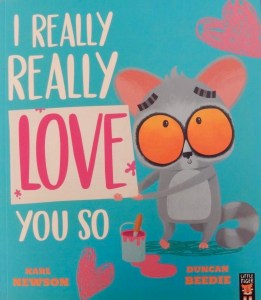
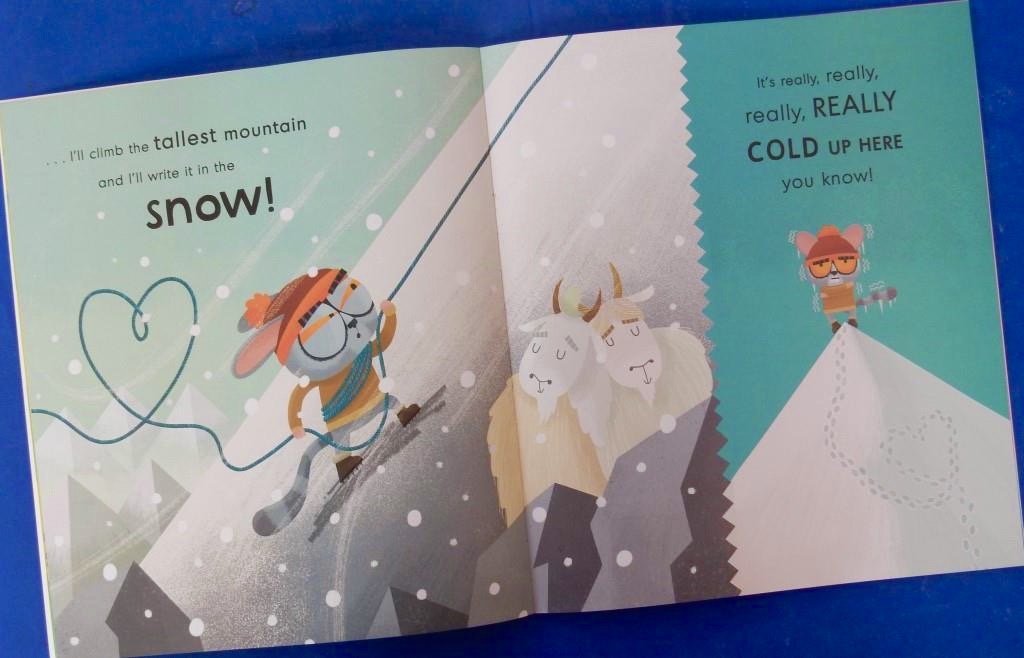
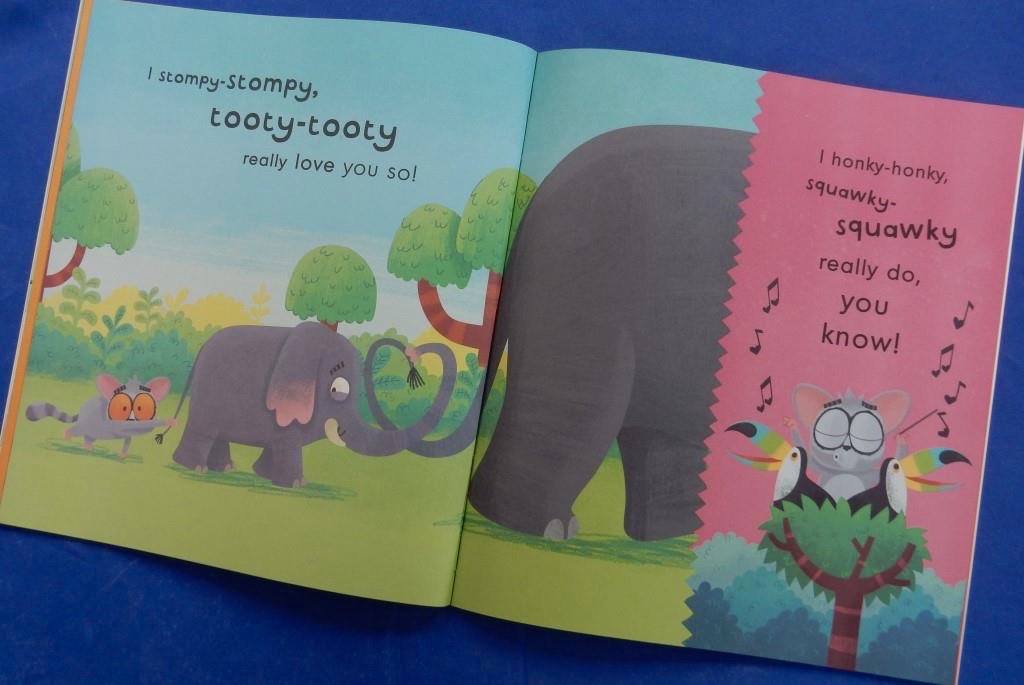

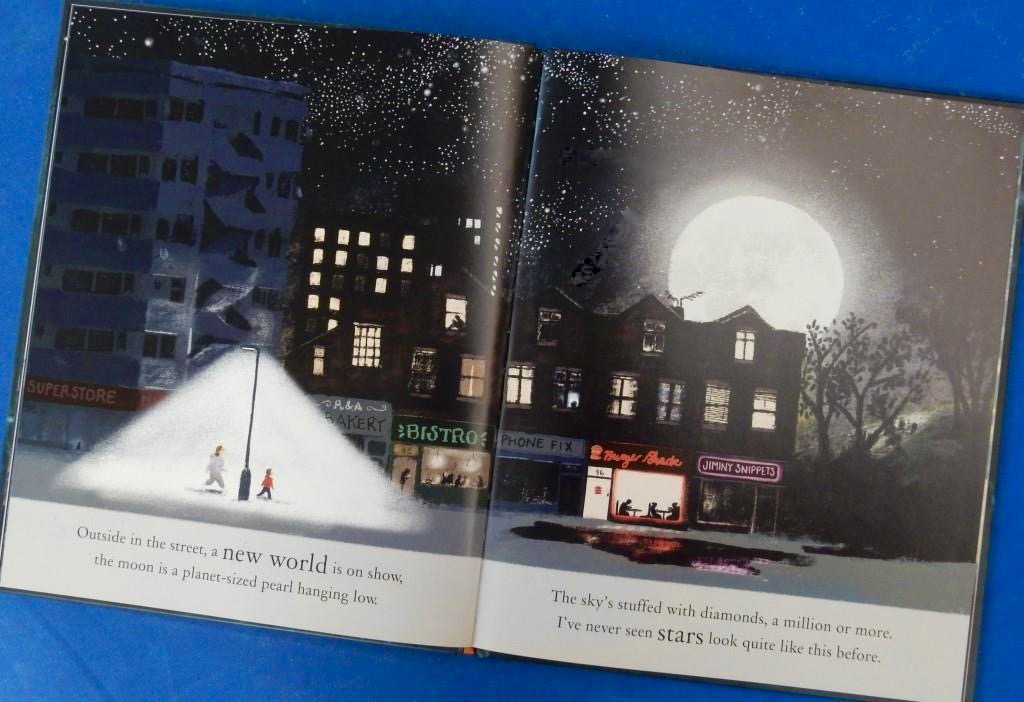

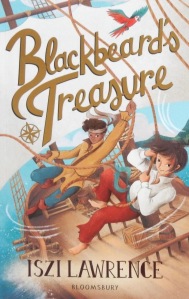
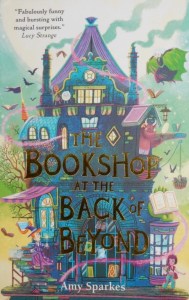


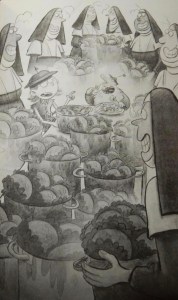


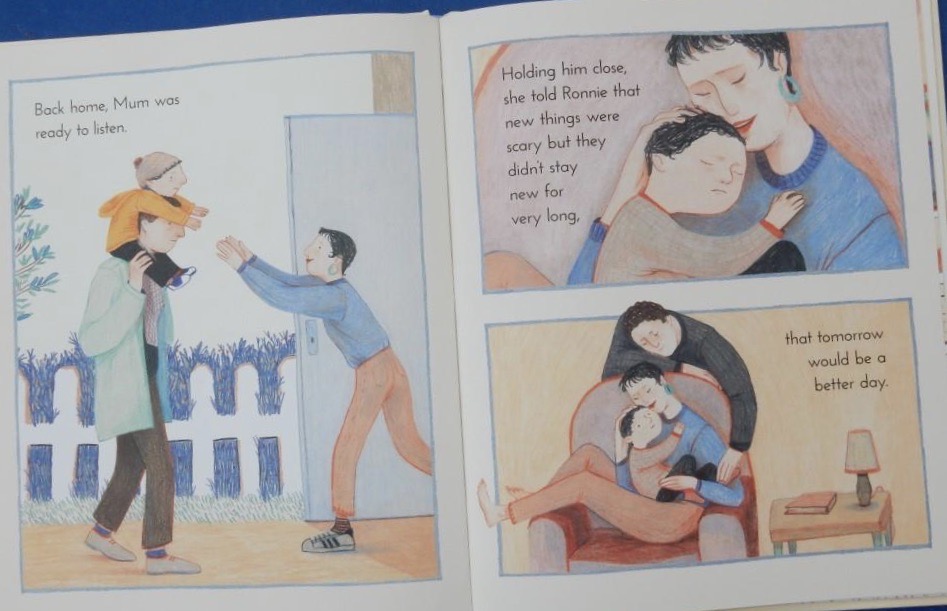


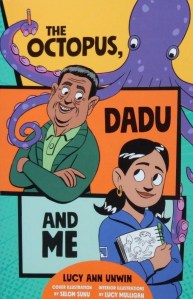

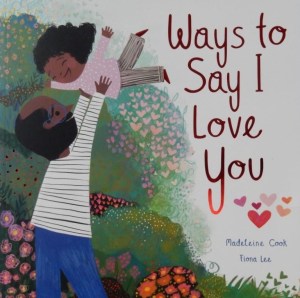
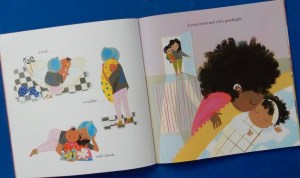
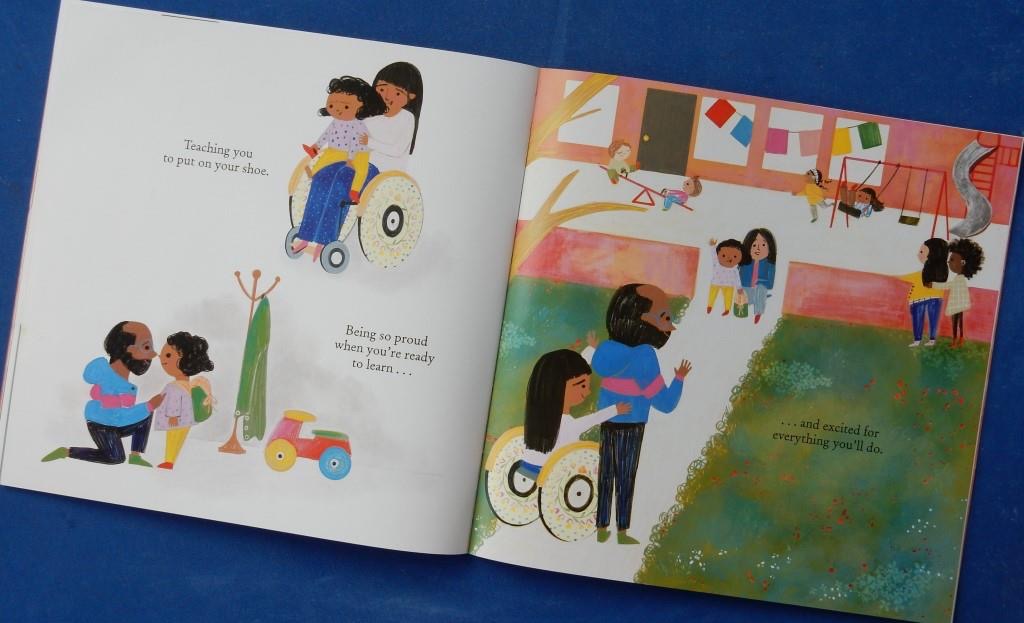
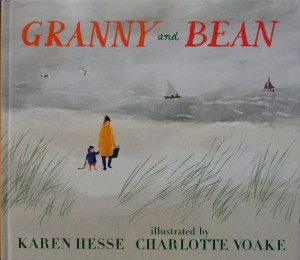
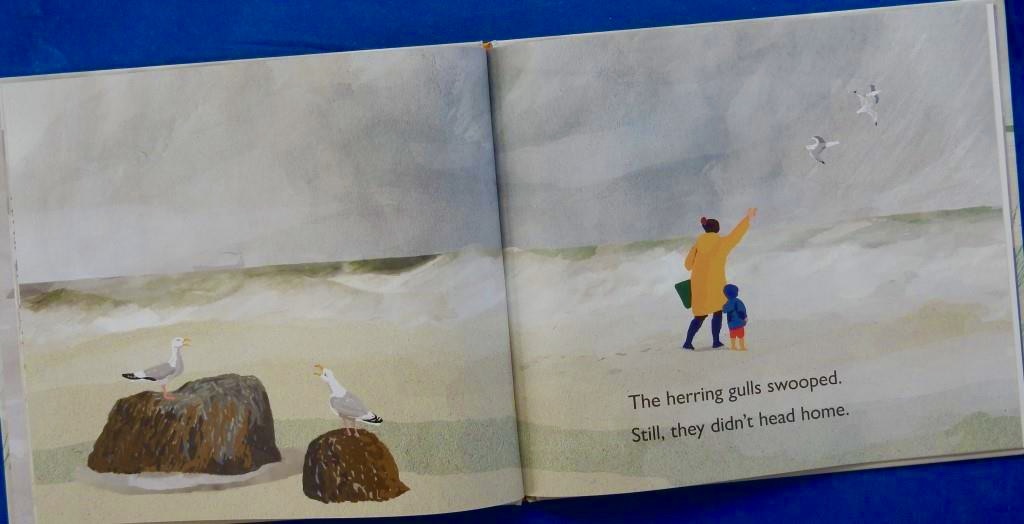
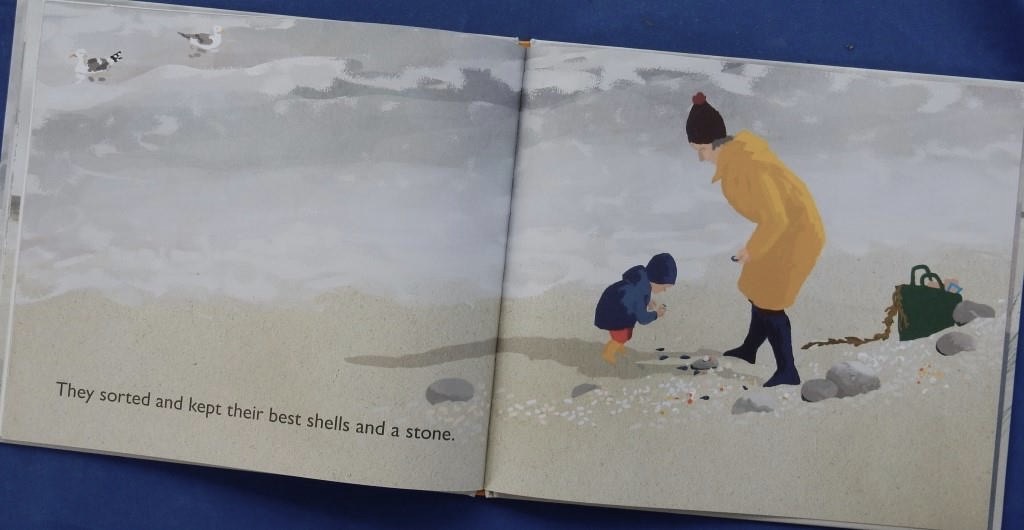


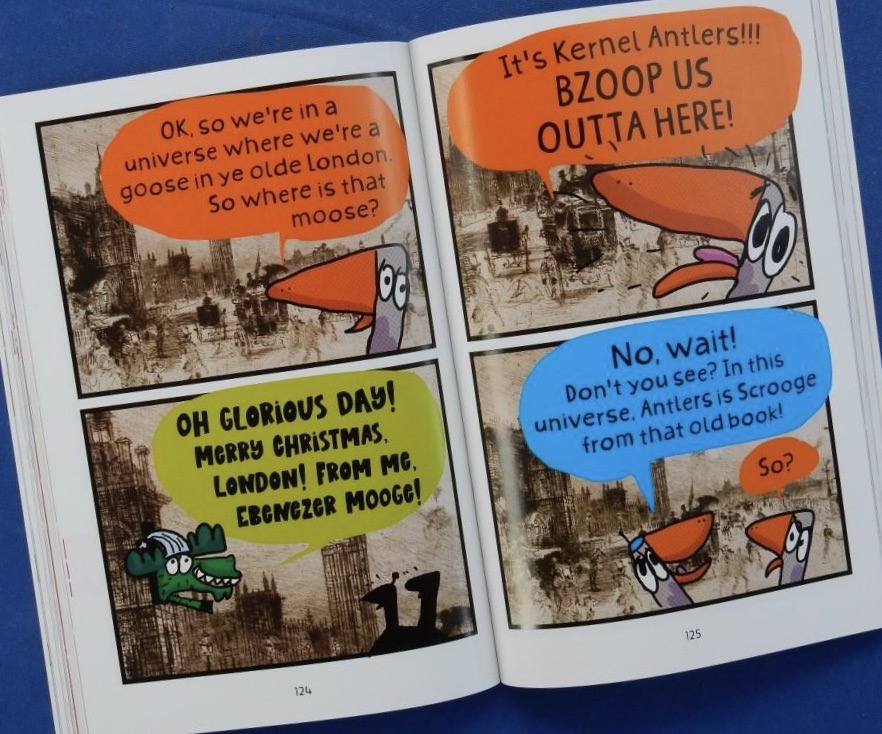

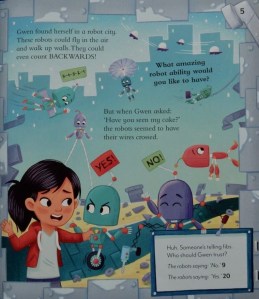

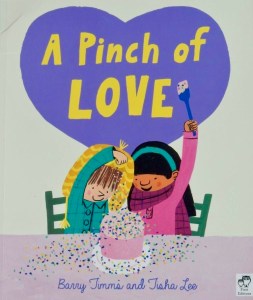

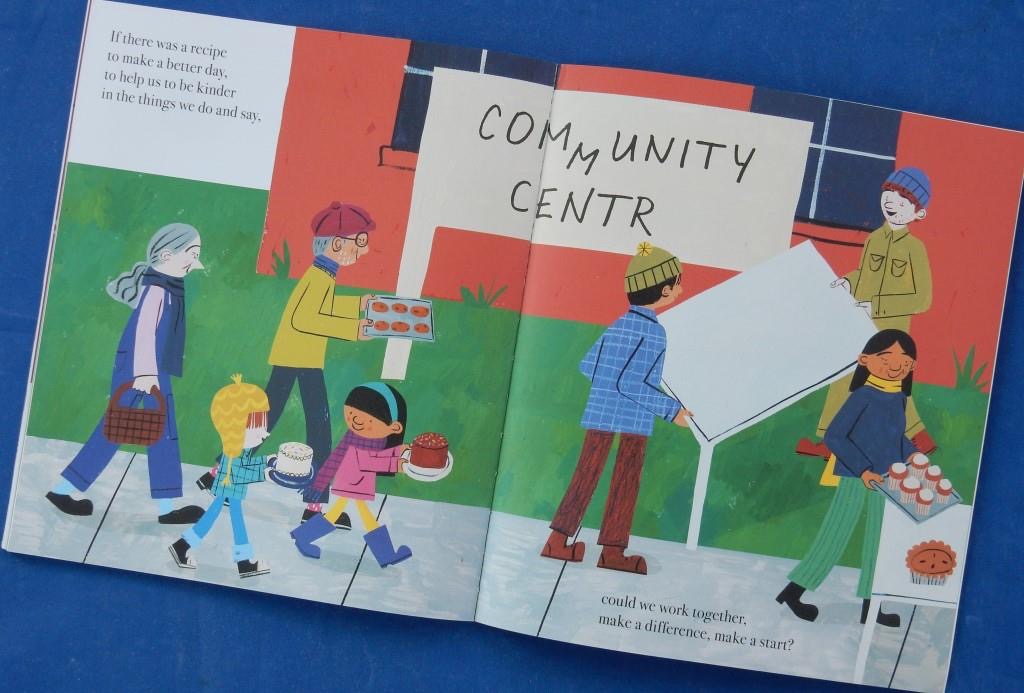
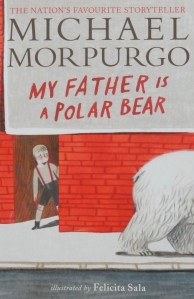
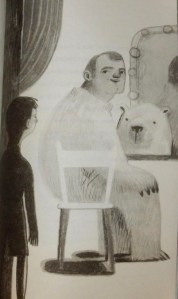
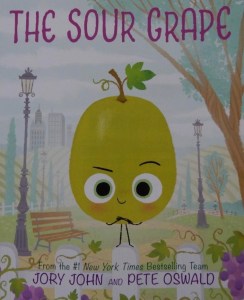
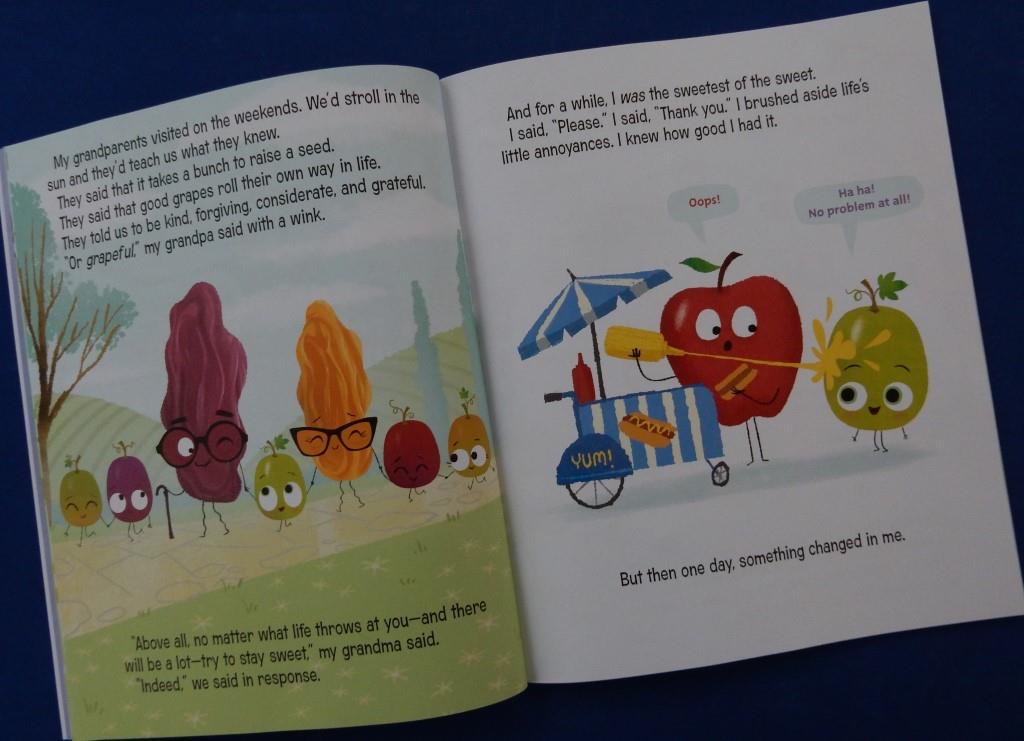
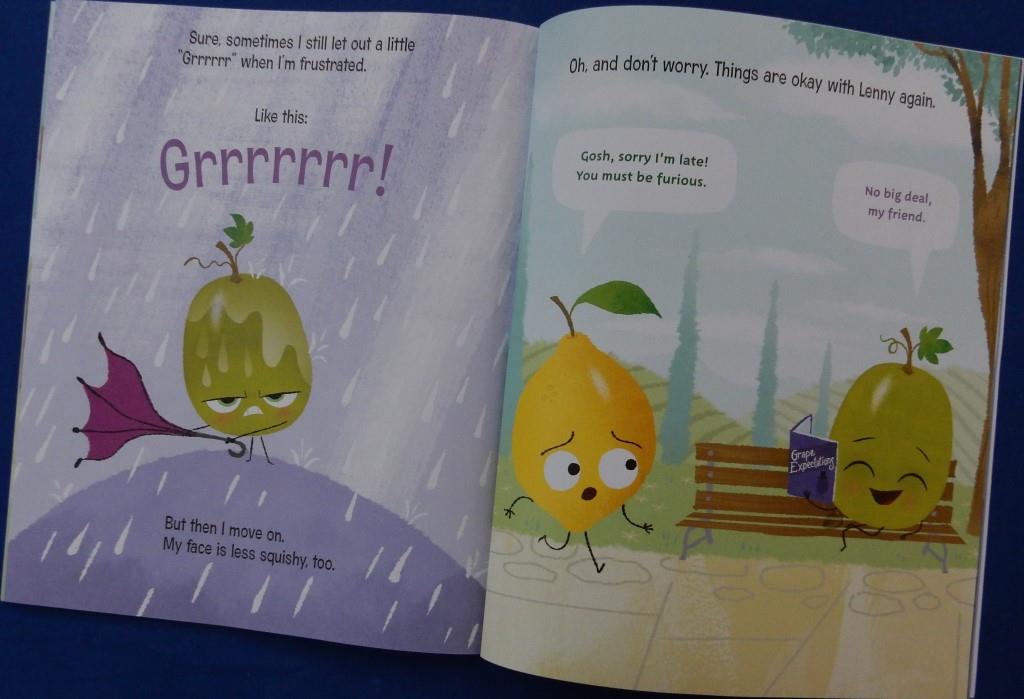
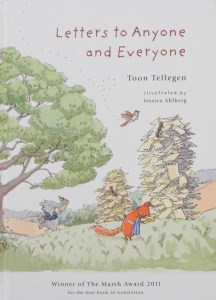
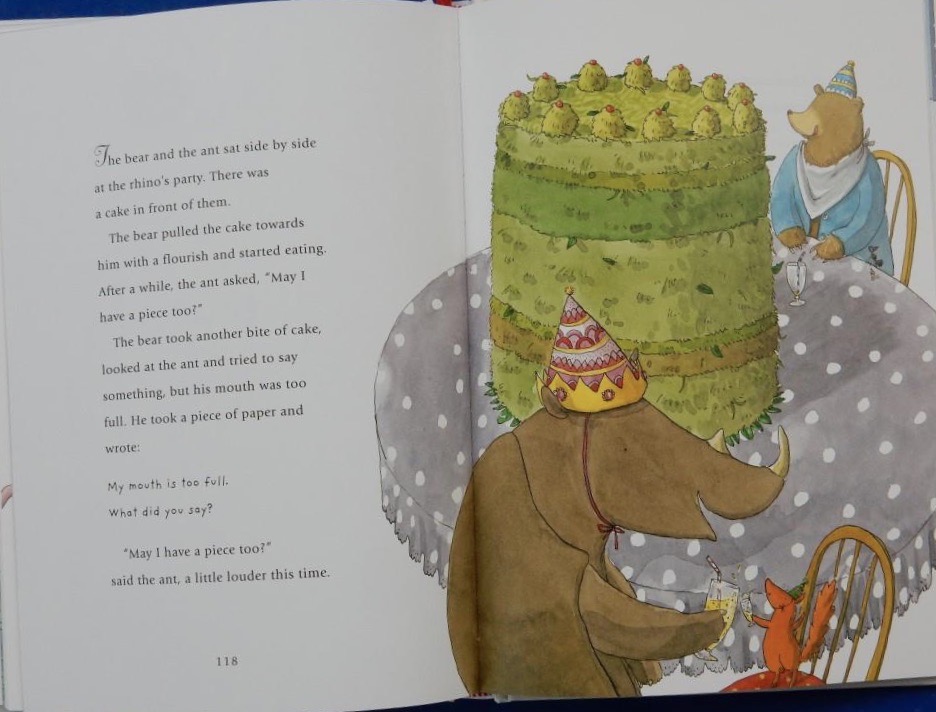
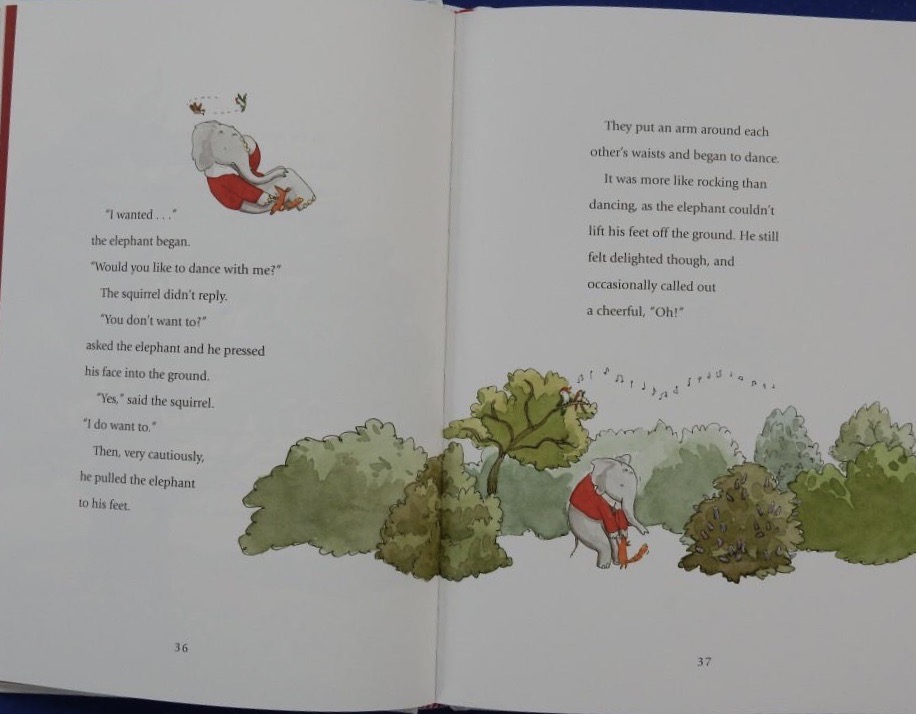


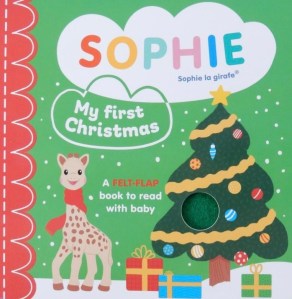


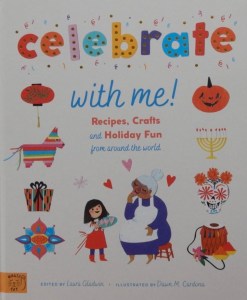
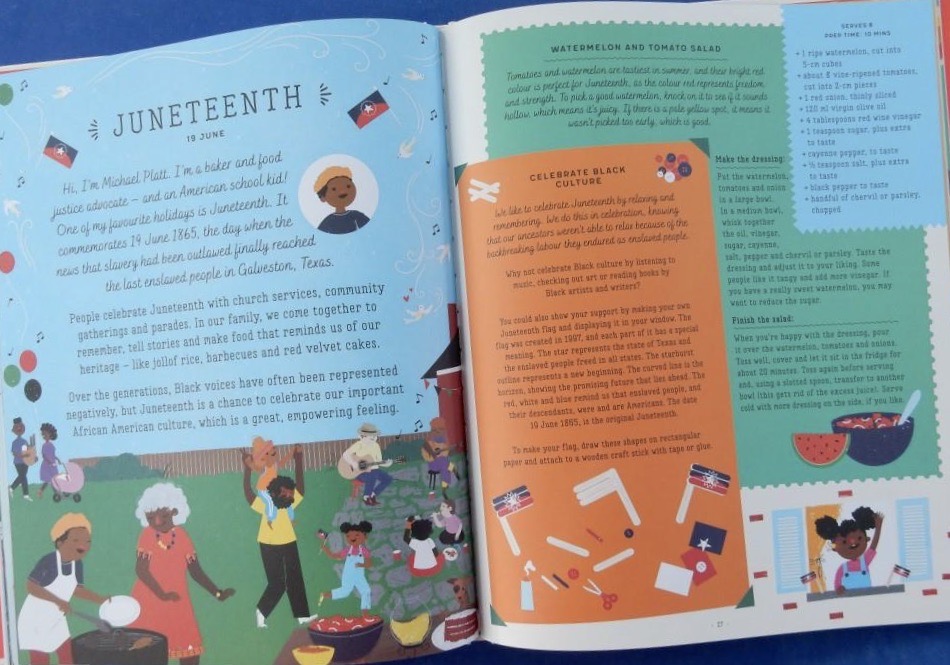
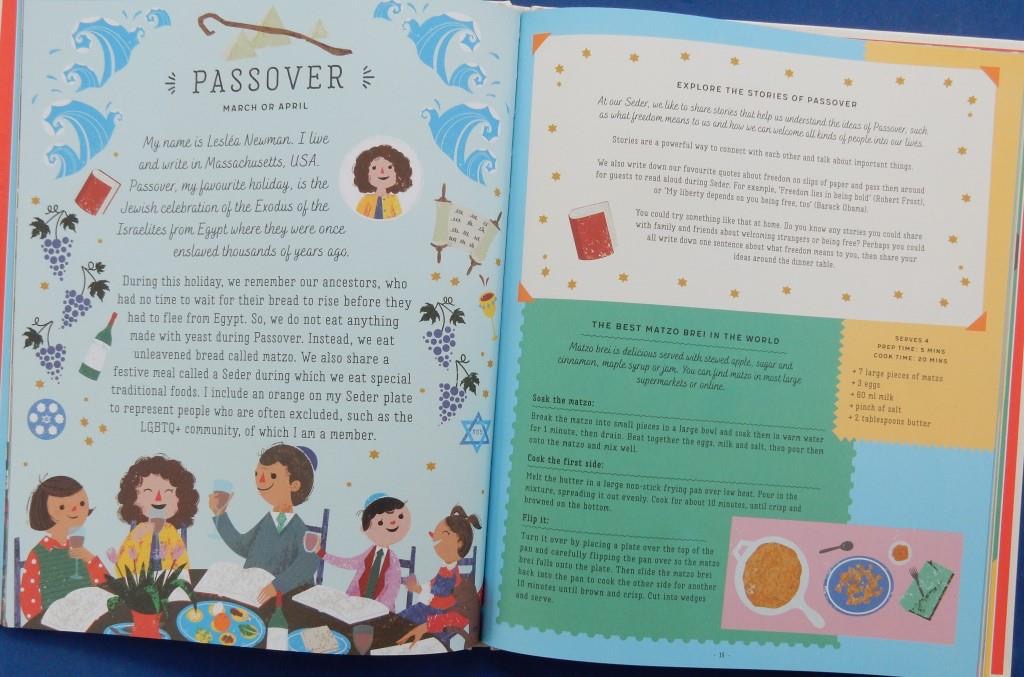
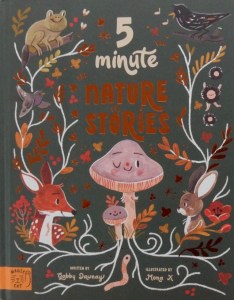
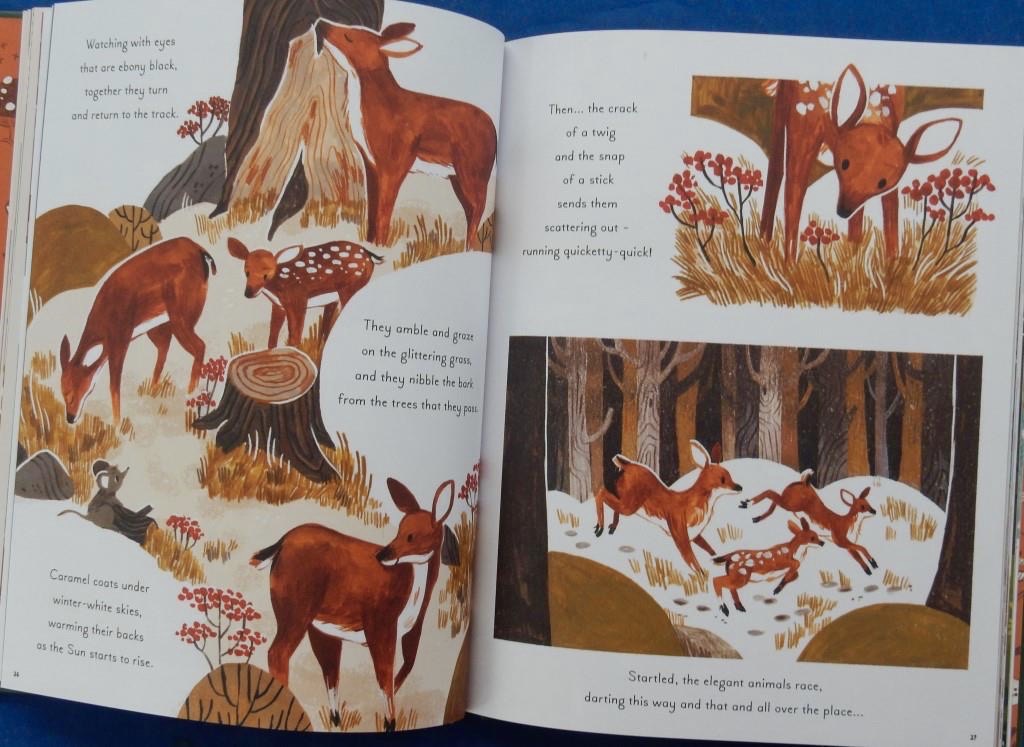
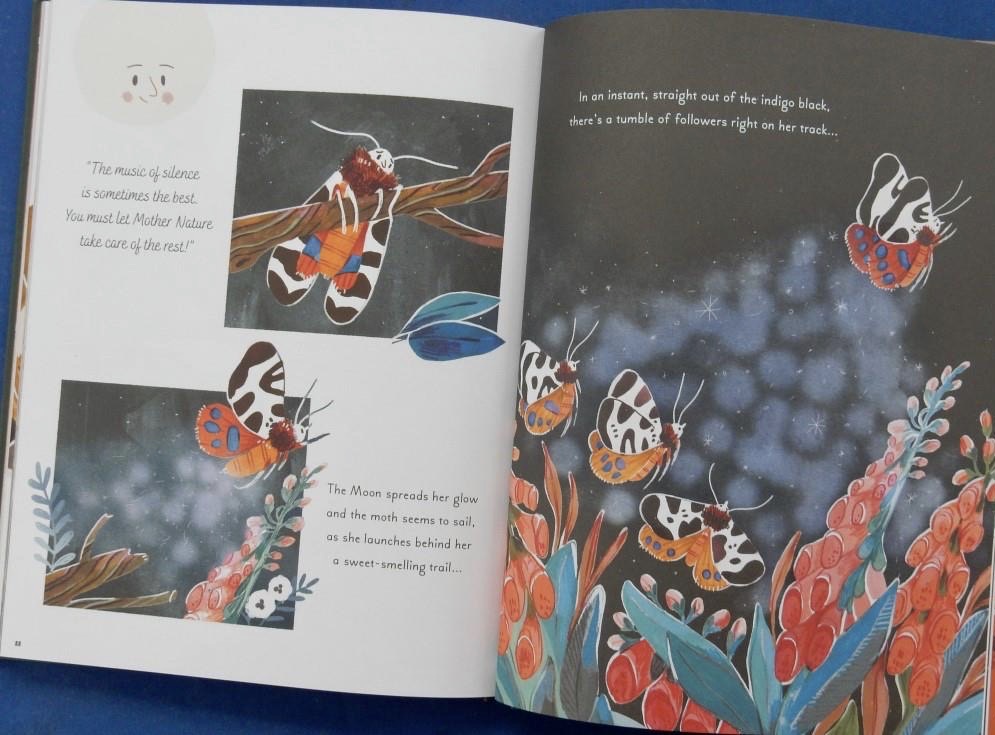


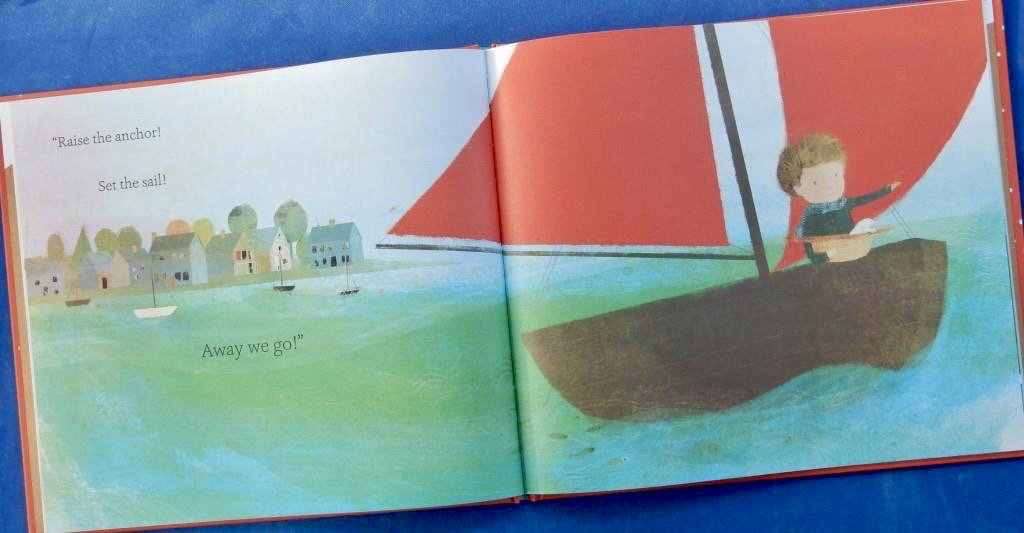
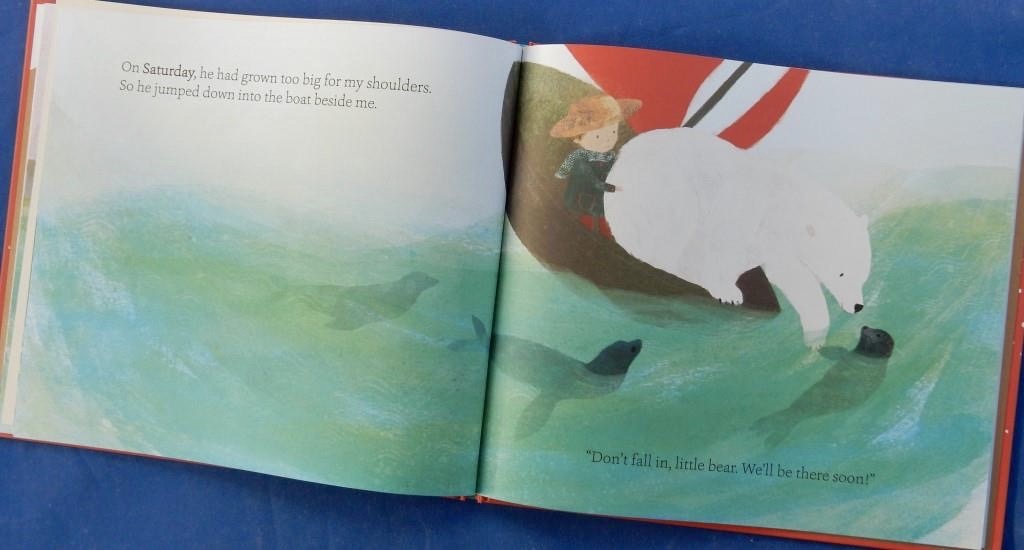




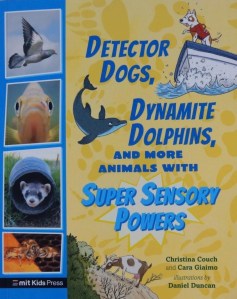
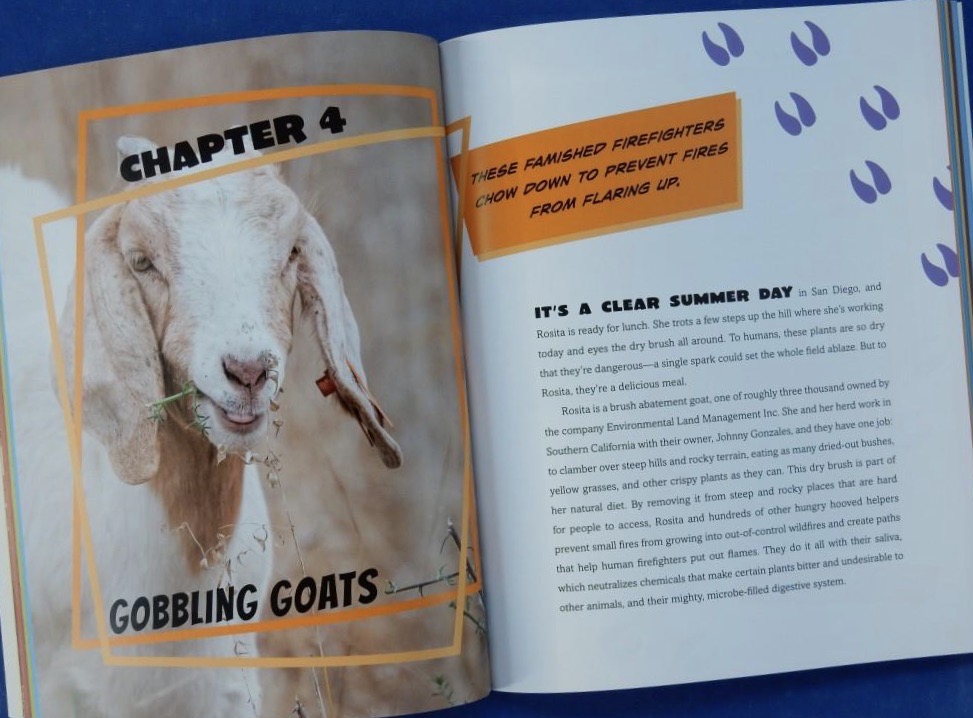


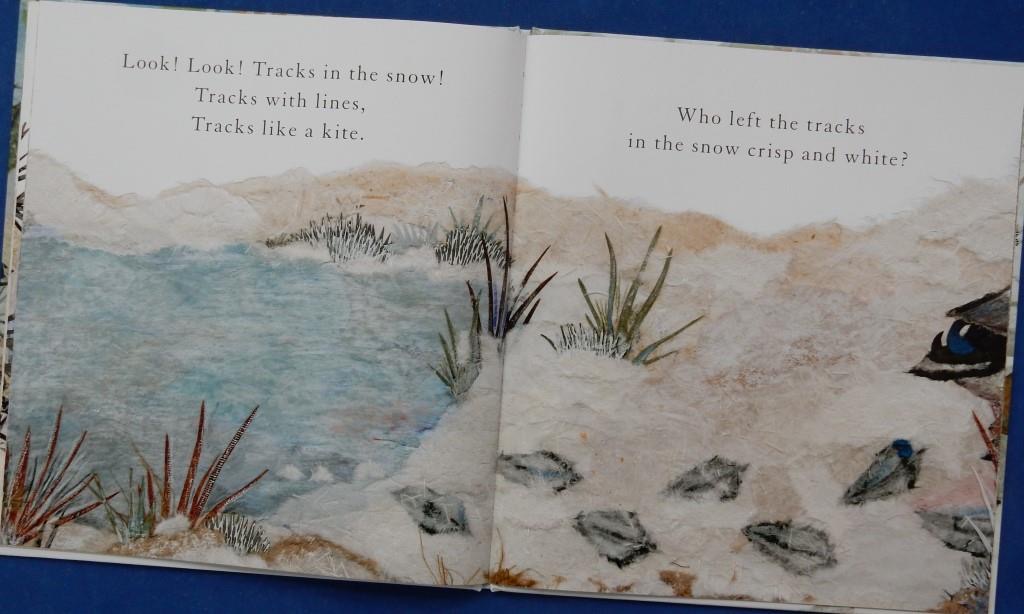

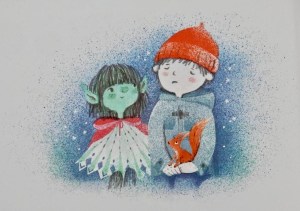
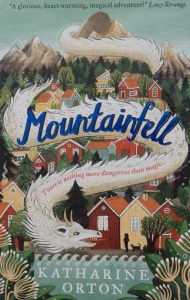

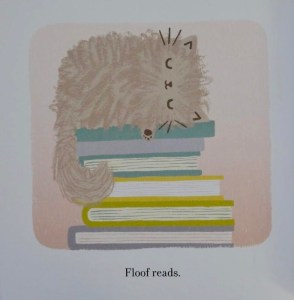
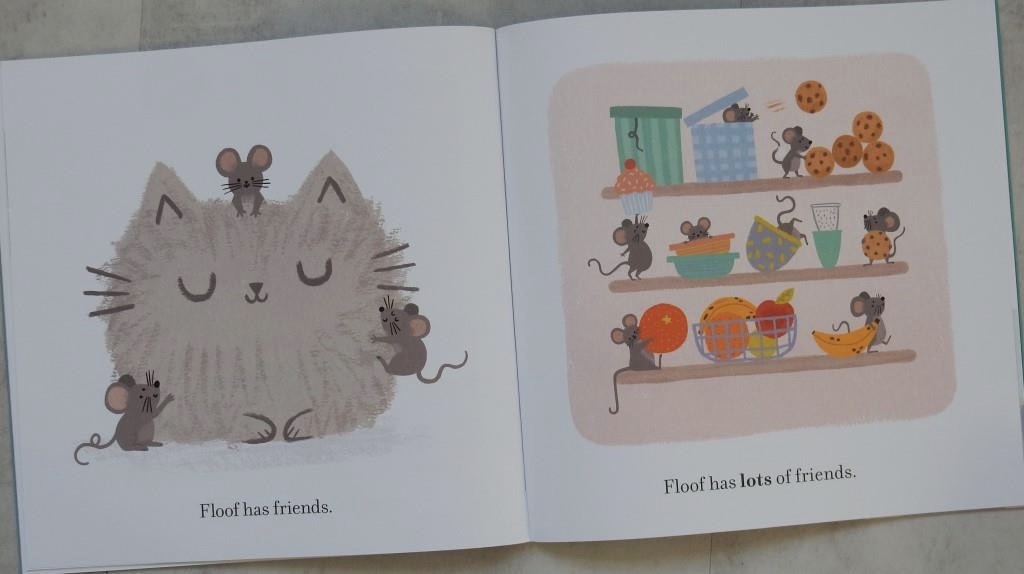


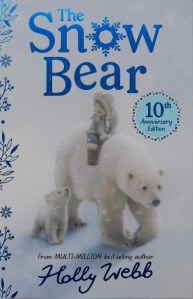


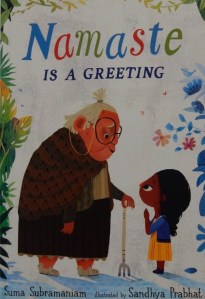
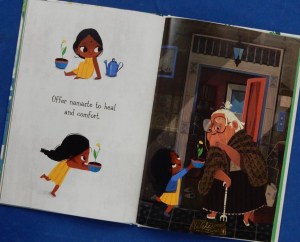


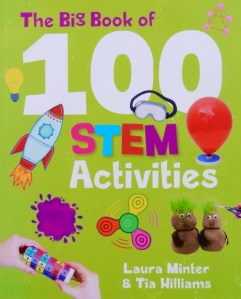
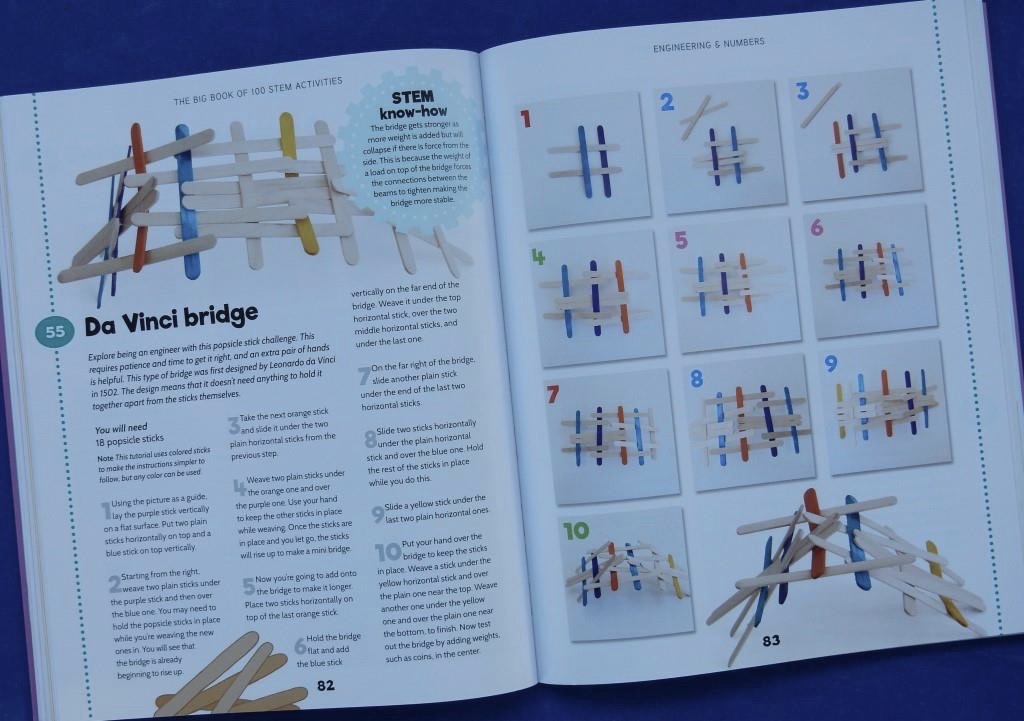
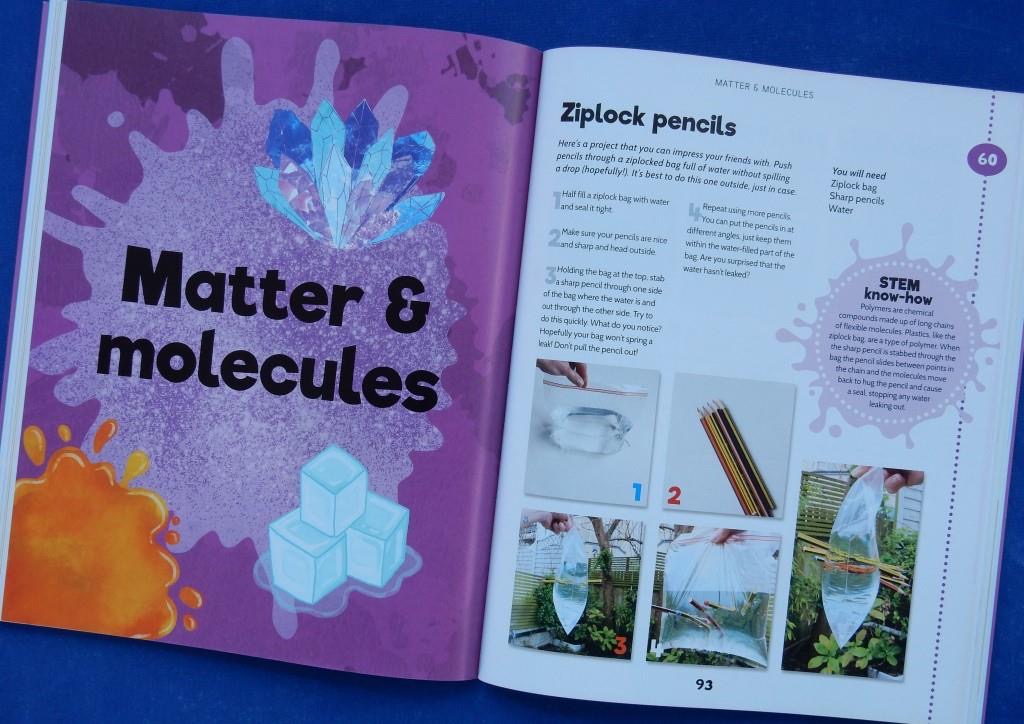


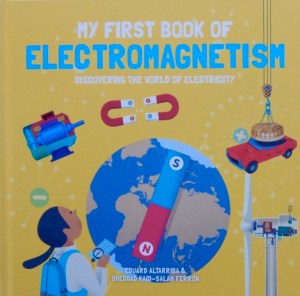
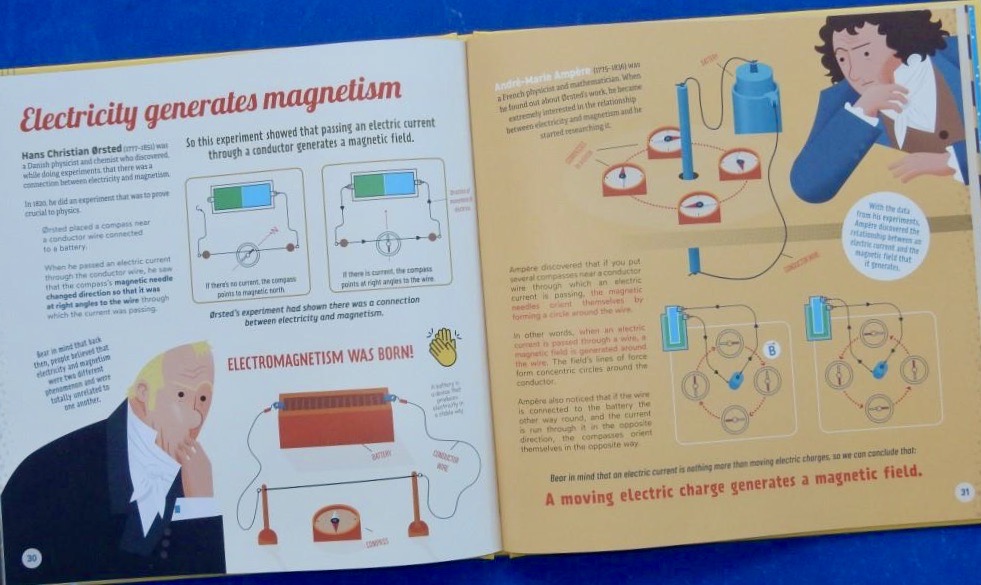
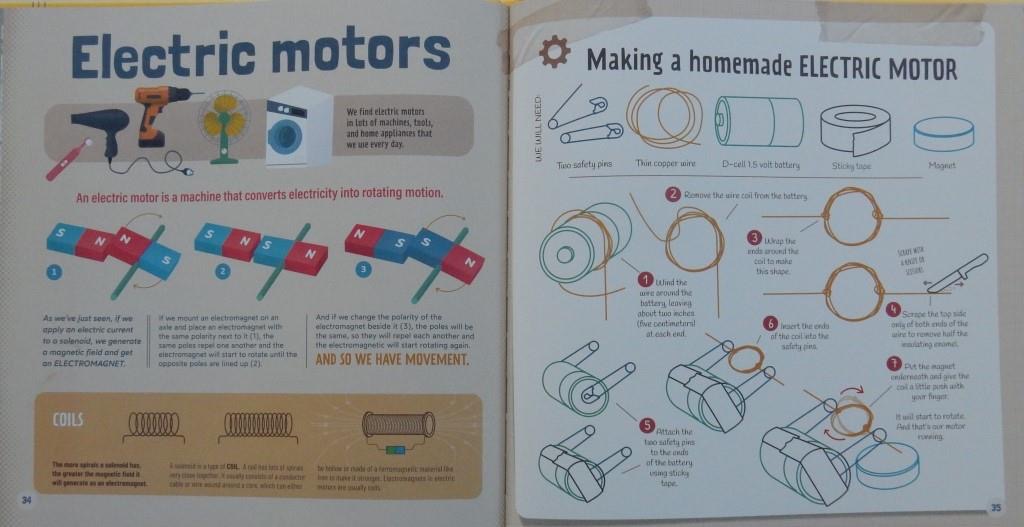
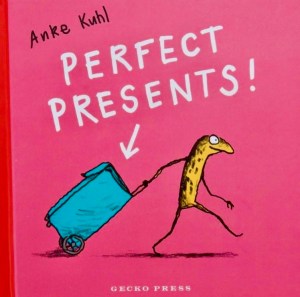


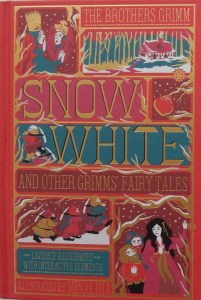
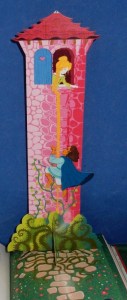
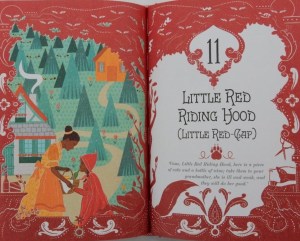
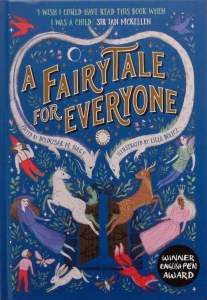
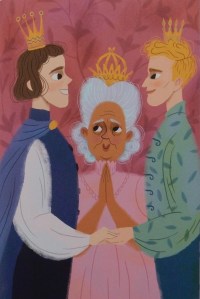

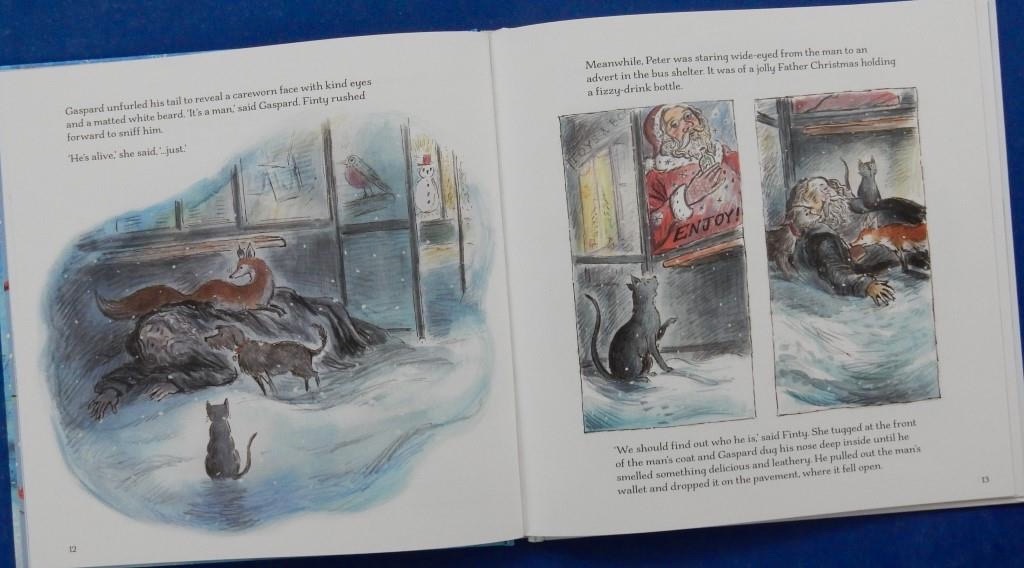


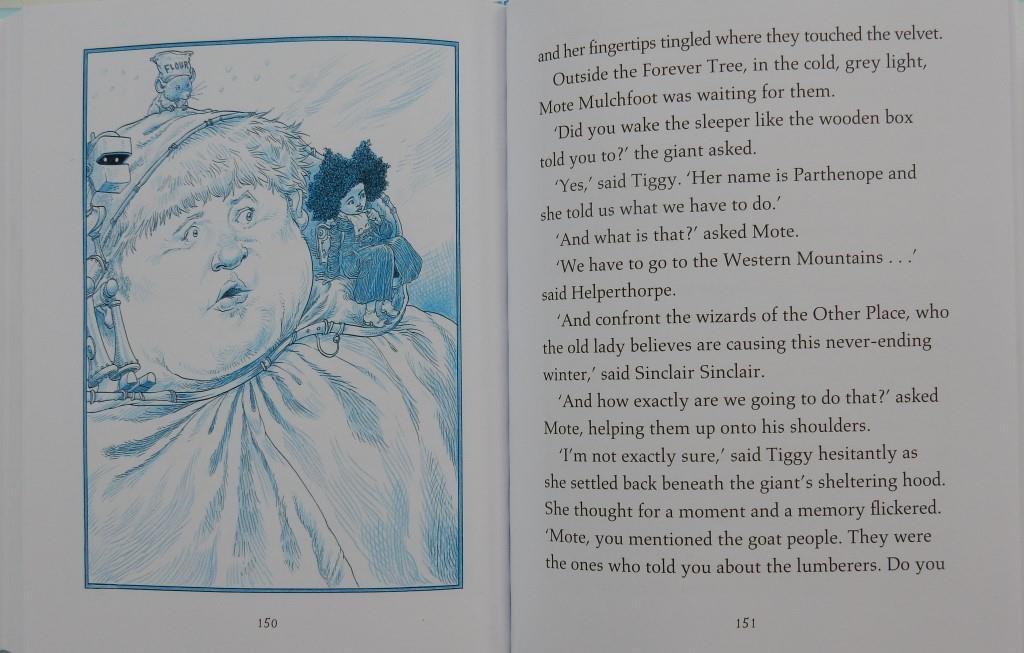


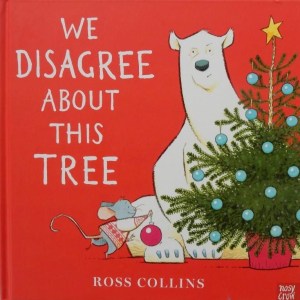
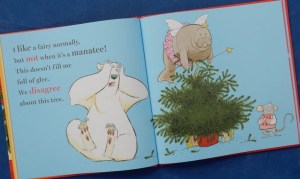
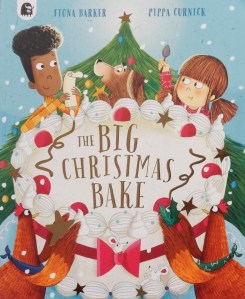
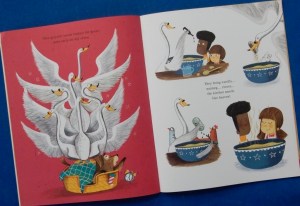
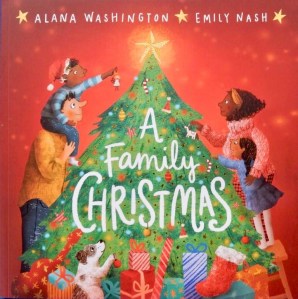
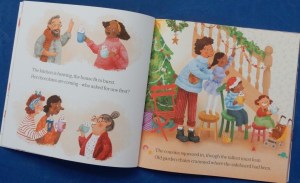
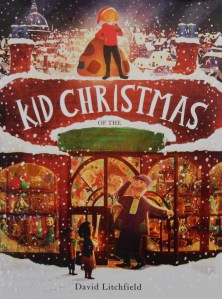

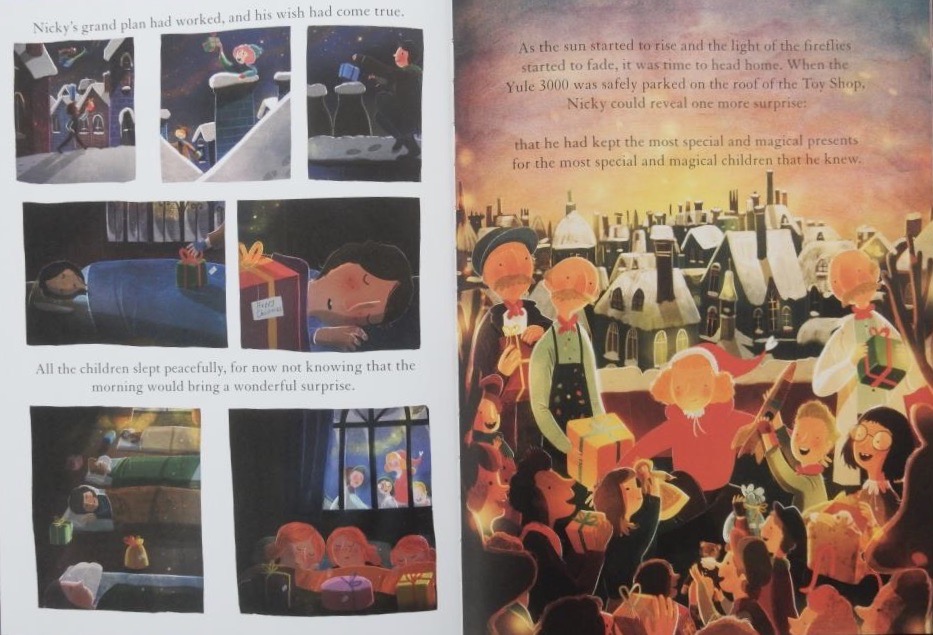




 Red Reading Hub - Jillrbennett's Reviews of Children's Books