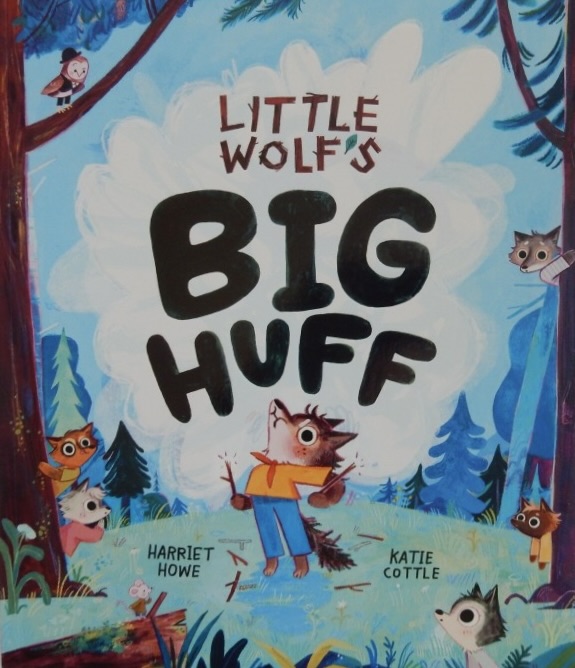
Little Wolf’s Big Huff

Taking a trip to watch the Wolf Moon rise has become an annual event for Little Wolf and Daddy Wolf. With just the two of them it’s a ‘wonderfully-waggy-tailed time’ for them, but especially for the little cub.

However this year, another wolf has taken Little Wolf’s place as the littlest in his pack and because Mummy Wolf is poorly on Wolf Moon Day, all his brothers and sisters are also coming. Little Wolf tries his best to feel pleased about this ‘Everyone Else Day’ but he knows things won’t be the same. Assuredly, he’s right about that.
Things go from bad to worse as nobody is interested in Little Wolf’s den design,
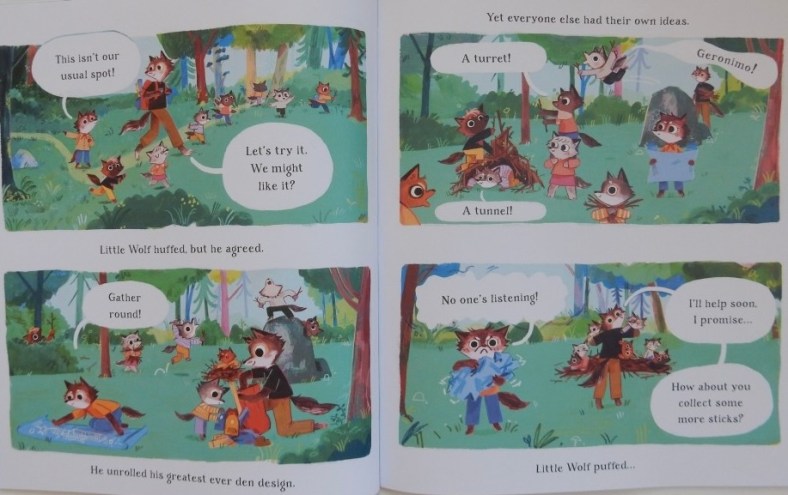
then he injures himself and ends up in the mud and not a single other wolf has noticed, and eventually big feelings begin bubbling in his belly, moving on to tingle in his tail and then to fizz all through his fur. Instead of feeling like Little Wolf, the little creature feels big and bad. He huffs and he puffs and …

Time for Daddy Wolf to help his Little Wolf before too much damage is done. This he does by teaching him what he calls ‘The Way of the Wolf’ – a special power hidden deep inside every wolf. Will it work and if so, then what …
Young children will definitely relate to Little Wolf’s worry wobbles and his ensuing BIG feelings when things don’t go as planned. 
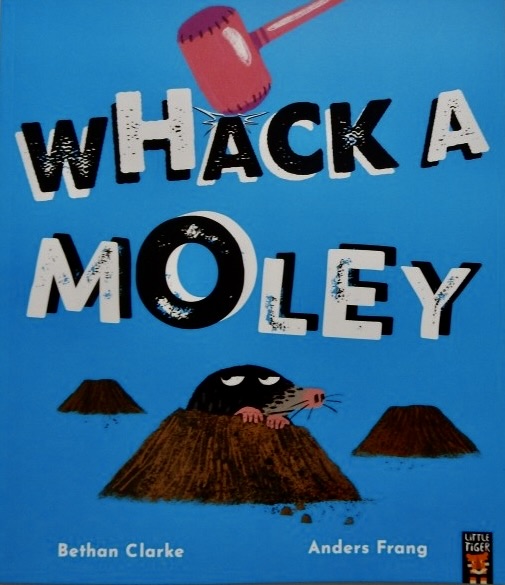
Whack A Moley / Follow The Leader

These are both recent books from Little Tiger – thanks to the publisher for sending them for review.

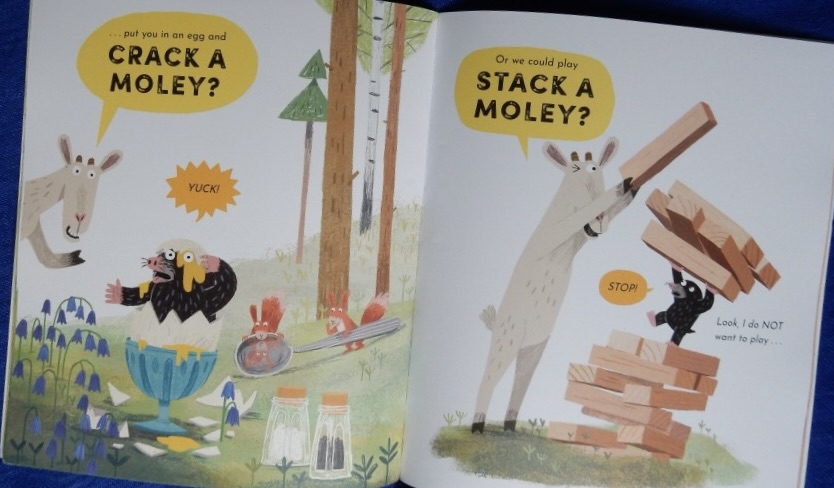
This is a laugh-out-loud sequel to Holey Moley that features Mavis Mole and Gus Goat. The two are an unlikely pair of friends: Gus exudes energy whereas Mavis only likes static activities. So, when Gus asks if they can play a game Mavis chooses tiddlywinks – her favourite. Gus wants something much more bold and active – ouch-inducing Whack A Moley. That or various alternatives that sound not dissimilar such as ‘quack a moley’, ‘snack a moley’ and stack a moley.

A wonderfully crazy comedic concatenation of suggestions that rely on wordplay and rhyme combined with the deadpan humour of Anders Frang’s splendidly stylish, deliciously dramatic scenes of the fun and games.

With a final twist, Bethan and Anders’ nonsensical, giggle inducing book is just the thing to show children that language is fun. Definitely one that will be enjoyed over and over.

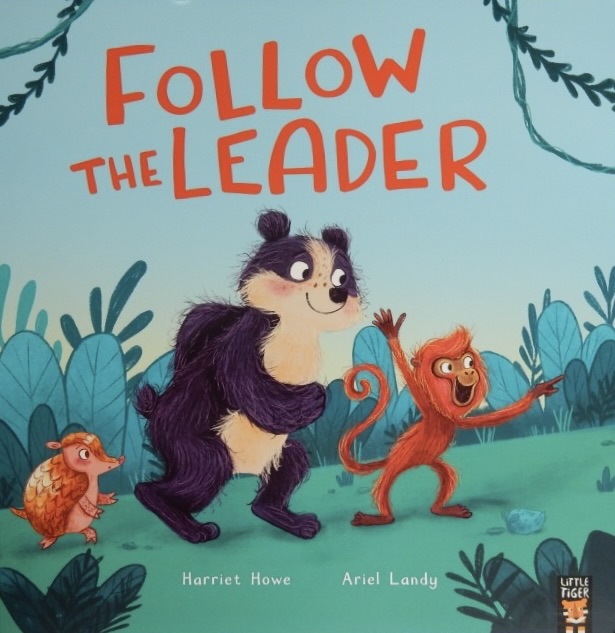
It’s a sizzling hot morning in the jungle so Bear, Monkey and Armadillo decide to take a trip to the lake to cool off. The three enthuse about their destination and as it was Monkey’s suggestion, he insists on leading the way. This results in a bit of squabbling but after a while the other two fall in line, especially as Monkey has the map. Then though, a mishap occurs that ends up with Panda becoming leader and some time later, the map is ruined. Further disagreements occur, and three very sweaty animals eventually reach their destination where they finally come to understand about the importance of teamwork.

This rhyming tale is full of energy and fun and the illustrations of the animals and their somewhat hazardous journey ramp up the drama.

RT

Tiger’s Last Roar

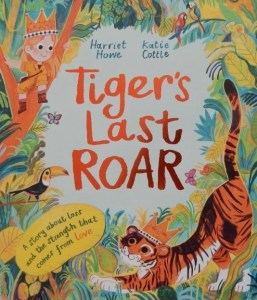
Mae and her pet cat Tiger are inseparable. When they’re together the garden becomes a vast jungle of which the two are queens, exploring and adventuring all day until the teatime call comes. Having dined together, they bath together, draw together and tell stories together.
However, Tiger is getting older and as summer turns to autumn, Tiger is tired and wants to spend more time sleeping instead of exploring. Then one day when the teatime call comes, she fails to return. Tiger has died and Mae is heartbroken. Unable to speak she lets out an almighty roar, then turning her back on the jungle she shuts herself away.

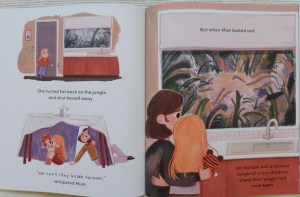
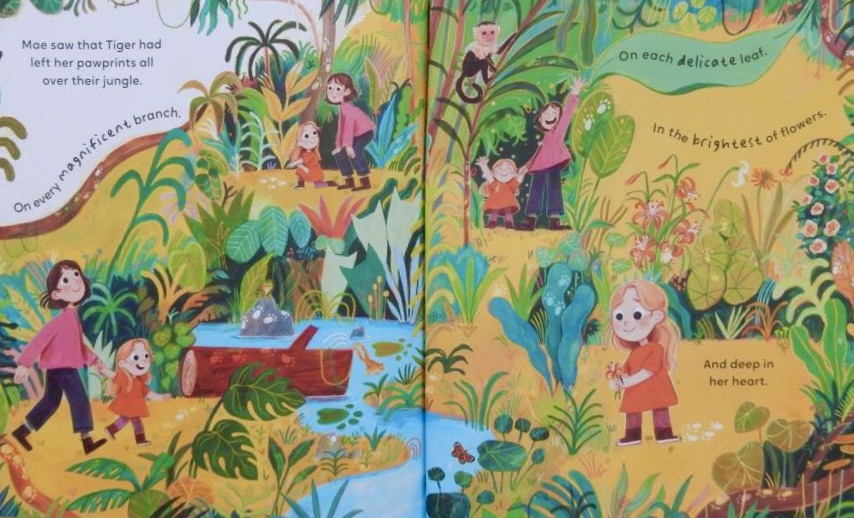
Her empathetic Mum gives her time and loving hugs, then gently suggests that talking about Tiger might help her cope. After a while, under Mum’s gentle guidance, the two of them tell stories of Tiger, Mae draws and they share memories of the beloved animal. Mae then starts to venture outside, albeit apprehensively, anxious that nothing will be the same without her pet. However, Mae discovers that Tiger has left paw-prints everywhere in the jungle and most importantly, in Mae’s own heart

and there they’ll remain for ever.

With Katie Cottle’s richly coloured illustrations, this powerfully moving story, full of warmth and tenderness shows just how big an impact the loss of a pet can have on a child, especially an only child. After the story, there’s a helpful spread that provides a space for children to use, should they too lose a much loved pet, as well as a page for adults on ‘supporting a child through the loss of a pet’.