We first encounter the young boy narrator’s tiger as the two of them are wandering down the road just outside a cake shop. The window is full of the tiger’s favourite food: cake. They enter and the baker is anxious to know whether the tiger is dangerous. “He only eats cake”, his friend replies and the feline proceeds to sample some of the cakes. Almost inevitably after a diet of sweet confectionary, the tiger gets a bad toothache.
Time for a visit to the dentist. Clearly alarmed like the baker, the dentist inquires whether the tiger is dangerous. She receives the same assurance as the baker and so the tiger is coaxed into her chair. The drill makes the patient howl and growl but eventually the tooth is fixed. “Tell him he’s not to have cake again,” the dentist tells first the boy and then the tiger.
So what is the tiger supposed to eat: what do you think is best suited to his needs? …
The hilarious, dark ending will likely satisfy young human listeners to Joy Cowley’s dead pan, simple but very funny telling, In contrast David Barrow’s wonderfully expressive watercolour illustrations portray the tiger as truly intimidating with its vast size, and those jagged teeth that we see in some close up views.
The very youngest children can enjoy meeting all the creatures in this slightly larger than usual board book. Seven spreads in turn introduce animals from different habitats entitled In the Jungle, Into the wild, Wonderful Woodlands, Farmyard Friends,Watery Worlds, Perfect Pets and In the Mountains. Each animal is clearly labelled, occasional animals have a speech bubble (tiger says, ‘I can run very fast’), and there are flaps to lift and touchy feely features on every spread as well as on the cover.
The final spread shows fourteen of the featured animals and asks, “Can you remember their names?’
In addition to becoming familiar with the animal names, little ones can develop their manipulative skills. Playful, interactive fun learning for tinies.
Josephine Chloé Alméras Gecko Press
Josephine the giraffe is an optimist and with her nose in the blue sky and her hooves in the green grass, always makes the most of what she experiences in her daily life. She finds new friends in a ‘peculiar’ tree, plays games with the clouds and makes rings in the water. The choppy waves and rippling bushes are places wherein to lose herself, treetops provide something to nibble when she’s hungry and she’s ‘curious about the world down below’ so sticks her nose into a burrow to watch a family of creatures. Josephine is awed by a tall mountain and enjoys counting small ones. She’s never lonely for long, finds wonder in both autumn and spring and becomes playful on snowy winter days and in the ocean’s bubbles when summer comes. In fact, not a day goes by that isn’t a source of awe and delight.
With stylised ink illustrations, this is mindfulness for toddlers. Sharing the book with a small group may encourage them to think about and talk about the everyday things they love to experience.
When Weasel comes home he’s surprised (and a tad annoyed) to find his pal Bear playing with Badger. “We’re in the middle of a game,” says Bear. “Would you like to make us something to eat?” So begins a long row between Bear and Weasel about who should be friends with Badger, what games they should play – house,
football, memory, hibernation or hide-and-seek, as well as what role each should play in each one.
It’s no surprise when a thoroughly disgruntled Badger, announcing that it’s time to go home, decides to leave them to it and not return the following day; tomorrow will be a play day with Fox.
A story showing a battle of wills if ever there was one. Jörg Mühle’s straightforward, direct text is very similar to what a child’s emotions and exchanges would be. His watercolour and pencil illustrations of the characters stand out against the white background and are in prefect harmony with the words.
Negotiating social interactions is an important life lesson and young children still working out when they should be assertive and when to acquiesce will surely relate to Weasel and Bear. It won’t surprise them that Bear is jealous of Badger and empathise with Badger and his dilemma.
A sharing of this book with Foundation Stage/KS1 children will surely lead to a lively circle time discussion
We meet Bert on his big day. Having prepared himself both mentally and physically he’s going to jump out of the tree. He’s ready, well almost, though he needs to check everything … just once more. Yes, got it! He’ll do a running start but … hang on, he’s going to snack on his banana first. With that finished, surely he’ll jump. Maybe some loud encouragement from the narrator and little humans will do the trick.
Yeah! Off he goes dashing along the branch and wheee! After worrying on the way down, into the water he plunges and there to greet him are his other avian friends. Time for another jump: Who’s going first?
A spare text, which makes a great read aloud and simple. bold illustrations that show so well Bert’s feelings throughout, provide a story that contains a powerful reassuring message about overcoming your reluctance to try something new. Young listeners will certainly relate to Bert’s internal struggle and the book offers a great starting point for discussion on risk taking.
One for both home bookshelves and class collections.
Duck kicks the ball at the goal but it misses and goes sailing over the bar. Duck gives chase as it bounces … BAMM right into and off the large tree, startling Owl out of his hole. Owl then joins the chase as the ball hurtles through the bushes WHOOOSH! dislodging a spider from its web. Spider joins the chasers and the ball, now on a downward trajectory, thumps onto a dog’s head. Somewhat stunned, Dog too pursues the ball: that’s four animals running after the ball as it splatters into a muddy patch surprising Rat before rolling under a bench.
Now ‘Duck runs. Owl runs. Spider runs. Dog runs. Rat runs.’ BOING BOING BOING down the steps goes the ball and splash it lands in the water. Therein we see a pair of crocodile eyes. The crocodile moves towards the ball … Errr… But that’s not the end of the ball, and not quite the end of the story.
This slightly larger than usual board book is great fun and will stand up to lots of re-readings with little ones who will delight in joining in the repeat patterned text with its surprise final twist.. There’s lots to enjoy in Susanne Strasser’s illustrations; they flow from one spread to the next, and sometimes include details not mentioned in the text.
Jake in the Middle Michael Catchpool, illustrated by Shanarama Otter-Barry Books
This is the first of the new Maple Street series and what a delight it is.
Meet Jake, who is the central character of four short stories. His family comprises his mum and dad, older sister, Ellie, younger brother, Sam and Grandpa who has his own flat downstairs. The stories are interlinked and are in order Shoes, Shoes, Shoes!, Catch of the Day, The Class Museum and All Fall Down!
In the first story Jake is excited about his new trainers, but Sam also loves them and this causes upsets on both sides. When Grandpa discovers there’s a shoe issue, he comes up with a plan. Will it work? Catch of the Day takes place on a Saturday: Jake, Grandpa and Sam visit the city farm and Sam’s soft toy, Coco ends up in the wrong place a couple of times. In the third story, Jake’s teacher asks class members to bring items for a class museum – something old and special to them. Jake borrows something without asking and then it disappears … In the final story, the discovery of Grandpa’s old cricket bat in his shed leads to some family fun.
There’s an illustration by Shanarama on every spread; her depiction of the characters enhances the author’s sensitive portrayal of the relationships between the characters. Ideal for new solo readers.
My Happy Life Rose Lagercantz, illustrated by Eva Ericsson Gecko Press
This reissue of a story was first published over fifteen years ago and is translated from its original Swedish by Julia Marshall. Herein we meet young Dani and read of some of the ups and downs of her life, a vital one being when she starts school, something she has been eagerly anticipating. On the way with her Dad, she suddenly becomes scared: What if she doesn’t make any friends? Happily though, on the second day Dani meets Ella who quickly becomes her best friend.
However at the start of her second term Dani’s happiness turns to unhappiness when she learns that Ella is moving away. Things will never be the same again despite her father’s best efforts, his daughter still feels sad and shows it by becoming angry at school. Fortunately though things improve and one day Dani receives a letter. She responds and soon after happiness returns and a new chapter is about to begin in Dani’s happy life.
A gentle tale full of emotion that is brought out even more through Eva Eriksson’s black and white illustrations. There’s a lot to discuss after sharing, this with an individual or class and it’s also ideal for new solo readers. I loved the idea of children counting their happy times but was less happy to read that one parent bribed her child with money to get him to school on the first day.
The child narrator of this story starts by saying they love rainy days – just right for reading, playing, mucking around and daydreaming without being bothered by anyone. However, having just settled down for a bit of reading, ‘DrrrrrrrrrrrinG!’ the doorbell rings and standing at the entrance is a rather large dragon with a brolly.
In comes the dragon: it’s introduced as Fred, lover of sausages and coffee, lots of coffee, and starts making itself at home. The child then needs to use the loo and does so in full view of the dragon. Fred then asks if he can do so too.
However, the large creature won’t fit into the bathroom no matter how hard our host pushes and shoves. having drawn a large red loo outline on the wall to no avail, they head outside to search for the place ‘where dragons go’.
The next few spreads are particularly amusing as we watch the agitated, increasingly desperate dragon being led around the city – past a tree, a fountain, and other possible pee-ing places. Finally Fred flies the child to a watery dragon park full of elegant gazebos, some already occupied but Fred finds the perfect one, relieves himself with a golden jet stream
and then back they fly.
A hilarious story – droll bathroom humour with a difference – illustrated with beautifully drawn pencil images, painted in watercolour. What a different bedtime story this would make, but equally it would greatly amuse a class of under 7s at any time of the school day.
These are both recent Gecko Press titles – thanks to the publisher and Nicky Potter for sending them for review
The Monster in the Lake Leo Timmers
Following one duck’s suggestion, four ducks contemplate some fun in the lake. Another however, has concerns about the monster said to be in there, but the others insist there’s no need to worry. Off they go into the water, with three ducks urging the fourth, “Trust us!”. Eric trails reluctantly behind and perhaps this gives him a clearer idea of what is going on beneath the surface.
At each turn of the page readers and Eric see more of the subaquatic reality while his companions remain oblivious despite his loud, “MONSTER!”warning, even insisting that they are the only ones around other than frogs and small fish. It takes Eric’s disappearance to ruffle his friends’ feathers,
though his reappearance soon puts them at their ease again. For Eric, this whole swim has been a truly memorable adventure; as for the others, they certainly won’t know that the monster is far from threatening, rather it’s a playful beastie.
Young audiences will love sharing in Eric’s subterfuge. They’ll love too, Leo Timmers’ bold, bright, whimsical images of the marine characters and the their underwater accoutrements: why though did Eric keep all the fun part to himself?
The Kerfuffle Clotilde Perrin
Kitty and Pup are neighbours and the best of friends but suddenly everything changes. Kitty eats Pup’s fish, so in return Pup takes Kitty’s slipper. Now the two besties have become enemies and they decide not to see one another any more – ever. To that end they build a wall separating their abodes (the book’s flaps let readers see what is happening on either side. With the wall complete, peace reigns but then a bunny rabbit appears on top of it. Dog and Kitty both want to make friends with the rabbit and they start fighting over the newcomer.
Now none of them is happy and Rabbit runs off. Eventually however Kitty decides it time to make peace with Dog and a lot of crashing and banging ensues that results in a solution that makes everyone happy. Demonstrating the pointlessness of building walls, Clotilde Perrin’s clever amalgam of narrative and illustrations with those strategically placed flaps works really well. The illustrations deserve careful perusal as there is a lot going on between bit part players such as a pair of birds that start nesting, as well as a couple of mice.
If you’ve read Tallec’s A Better Best Friend, you will already be familiar with best friends Squirrel (the narrator) and talking mushroom Pock. One of the things they love to do is to sit and watch the birds flashing past but on this particular day. having grown tired of so doing, they’ve moved on to the meadow to listen to their favourite bird, the blackbird. However, after searching carefully, eventually they spot it lying motionless on the path; perhaps it’s deeply asleep. After waiting quietly for some time for it to wake up. they decide to try being noisy but this has no effect so they fetch Gunther the mouse. Gunther’s idea of launching the bird into the sky doesn’t work and that’s when Pock suggests that perhaps it’s dead.
After another long wait they all decide that indeed the blackbird has in fact, died. Working together the three bury it under a large pile of the prettiest leaves they can find
and once this is complete Gunther reads a poem, after which they stand and Squirrel thinks about the beautiful songs the blackbird sang. Having thought about ways to remember the bird, they pay it tribute in the very best way possible and finally a different bird pours forth its beautiful song.
A poignant story that explores death simply and frankly and in so doing, offers possible starting points for adults in school or at home to discuss with young children what can be a very difficult topic. That the book’s creator has given the story an autumnal setting is especially appropriate: the warm red and gold hues of the scenes subtly convey sadness and the sense of an ending.
The Fierce Little Woman and the Wicked Pirate Joy Cowley and Miho Satake Gecko Press
In days of yore there lived a fierce little woman in a house at the end of a jetty. She spent her days knitting woolly socks to sell to sailors, or walking along the jetty playing her bagpipes or swimming beneath the jetty. Winters were more restful and she’d sometimes sit by the fire fishing through the trapdoor in her floor.
One day a storm blows in and with it comes a pirate who taps at the window of the woman’s house as she sits knitting. She spurns his persistent demands to be allowed to enter and he retaliates with threats
several times over.
Eventually as darkness falls he tries a different approach and admits that’s he’s very frightened of the dark. Seemingly this pirate is more scared than scary; the woman relents, lifting her trapdoor and allowing him to come through into her cosy abode. As they talk, it becomes clear that each in their own way is vulnerable and they have things to offer one another.
After an initial refusal of his hand in marriage, the woman agrees, they get wed and raise a family together.
With her scenes from various perspectives Miho Satake skilfully brings out the quirkiness of Joy Cowley’s text and the battle of words that takes place between the two protagonists.
Diggers, Dozers & Dumpers Ole Könnecke Gecko Press
Translated from the original German by Melody Shaw, this contains fourteen mini stories each of which features a different construction vehicle. Every story but one unfolds over one spread and all show realistic pictures of the vehicles and their amusingly portrayed animal drivers.. The vehicles include a dumper truck driven by Roberta Elephant, a telescopic crane that concert pianist Cordula Cow uses to carry her piano to give a free concert in the pasture to her ‘less successful sisters’. I think my favourite and probably that of young children, is J.J. Wolf’s mini-digger story. Having dug a small hole in the sheep paddock he’s surprised to find that the following morning some sheep have fallen in. The cunning guy invites the sheep to dinner at his house. Err …
The cement mixer story spread is a recipe for pancakes that requires more than two thousand litres of milk, s two thousand plus tons of flour and over thirty two thousand eggs and there’s a tale of grass mowing one-upmanship entitled ‘combine harvester’.
Each tale has additional information in italics about how the vehicle is used. The countless young vehicle loving children will probably most enjoy seeing the machinery whereas adult sharers will have a good giggle over the animals’ actions.
A fun amalgam of story and information; it’s great to see several of the machines have female operators.
Twigs and Stones Joy Cowley and Gavin Bishop Gecko Press
Snake and Lizard live in a hole under a rock and like all friends they have their ups and downs with one another.
One day Lizard decides it would be good to collect twigs with which to put both their names above the entrance to their home. Off he goes to the river in search of sticks and mud. On his return he sets to work carefully arranging the sticks to form the letters; Snake is unable to assist on account of her bad eyesight. However Snake listens dozily to Lizard’s comments,
the task is completed and the names written large stand on the ledge until along come Tortoise.and Owl warning of the likely consequences of a desert wind. The wind comes, blowing down Snake’s name but then out of their hole comes Lizard to retrieve the fallen letters after which he returns to bed.
Next morning though, Snake emerges first and is furious to see that his friend has accidentally misspelt Snake.
Lizard’s way of dealing with things only makes his friend angrier and both have a most unsatisfactory day in silence.
That night it’s Snake’s turn to go out and check the names: now is her chance to teach Lizard a lesson. Fortunately though all ends well: the letters are removed and the friendship is restored.
There’s a gentle humour in both Joy Cowley’s telling and Gavin Bishop’s pen and ink and watercolour illustrations . The expressions on the faces of both Snake and Lizard are splendidly done heightening the drama throughout the squabbles, making this a great read aloud story with lots of potential for class discussion. It should certainly reassure children that friendships are important and silly incidents should be forgotten quickly.
Both these board books are from Gecko Press: thanks to the publisher for sending review copies.
Get Dressed Belly Button! Lucie Brunellière
It’s a chilly day so the toddler must be suitably dressed before heading outside into the cold. Tinies will enjoy watching as the adorable infant is clad in ‘two soft socks’, a ‘toasty t-shirt’ and a pair of jeans; but there’s a belly button still visible. What else will be needed before we’re ready to sally forth? Squeaky sneakers, a cosy warm coat, two woolly mittens, a bobble hat and a scarf and a special kiss. Hurrah! Off you go, little one. An external narrator, presumably the parent or carer, does the talking in this cleverly designed, vertical flip-flap board book
So Tired, So Wide Awake! Susanne Strasser
A small bedroom drama unfolds as Hedgehog, Fox, Donkey, Pelican and Crocodile lie fast asleep in bed; but not so Seal. He apparently needs to visit the bathroom so up and out of bed he wriggles. Then in turn, his previously snoozing pals leave the bed and troop to the bathroom: Crocodile has forgotten to brush her teeth, Pelican needs a drink of water,
Donkey has itchy ears and so on, until only a scared Hedgehog remains. Up she scrambles and off she tip, tip tips to find the other animals. Where have they all gone? Somewhere where they can each receive a goodnight kiss before falling fast asleep. Unsurprisingly though, the kiss giver is still wide awake, squashed beneath the heap of slumberers.
Suddenly, a voice calls out, “What a stink! Who did that?” Thereupon, the animals rapidly return from whence they came and crash out in their own bed at last.
Little humans will enjoy watching the build up of tension before it’s revealed where the animals are all going, and delight in the whiffy solution that has them hastily retreating to their own bed. Fun to share with tinies especially as a pre-bedtime read.
One Wise Sheep Ulrich Hub, illustrated by Jörg Mühle Gecko Press
Originally published in German, this is a hilarious retelling of the nativity story unlike any other. It’s a chapter book with occasional illustrations that are perfectly appropriate for Ulrich Hub’s wryly humorous text.
Meet seven sheep, a small flock if ever there was one; it includes one that has a plaster cast on its leg, another that wears a bobble hat, one has its wool parted on the side, there’s one that wore braces but now has a retainer (in a case), one with a snuffly nose that means it needs to sleep away from the rest, one with an eye-patch, plus one more.
One night the sheep, unable to sleep see a bright star and the one with a bobble hat tells the others how it was woken up by a voice singing “ ‘I bring you good tidings’ … ‘And suddenly a host of angels appeared in our field singing praises. I think I even heard trumpets.” Where though are the shepherds? Certainly not kidnapped by UFOs, a goat (with attitude) assures snuffly nosed sheep, going on to say, “For unto us a child is born and you shall find it wrapped in swaddling clothes – “ This sheep reports back to the others, they all assume that the newborn is a girl and set off to find the town where this special baby is said to be.
All kinds of misadventures ensue
and eventually they arrive at their destination only to be told that the baby – a boy – and its parents have departed. The sheep are of course disappointed, especially after creating their own present: a song that begins, “Si-i-lent niiiight”—a song that they speculate is sure to be a hit. `’People will still be singing it in a thousand years.” However, they return to their fields (stopping on the way to pick up litter) and there a special treat awaits.
With a plethora of anachronisms (the shepherds have backpacks containing such items as spare socks and toothbrushes, UFOs, gift cards, wolves wearing mirrored sunglasses to name a few), this is a terrific read aloud (so long as audiences know the traditional Nativity story) to share in the classroom or with a family. Type to enter text
A Lot Of Silly Joy Cowley, illustrated by David Barrow Gecko Press
Herein we have almost forty pieces of silliness by Joy Cowley, all of which I think have come from her previous works and it’s terrific to have them brought together just waiting to make both children and adults giggle.
Doubtless everyone will have different favourites but some that especially appealed to me are MyTiger that tells what happens when a child takes his tiger that is suffering from toothache to the dentist. Following the fixing of the problem the dentist instructs, “Tell him he’s not to have cake again. … It’s bad for him.” The dentist goes on to say that the tiger should in future restrict his diet to “The same as other tigers,” You can guess what happens.
Also tickling my fancy was The Big Red Rose. This features Bubba, a little elephant that sniffs said rose; it goes right up her trunk and becomes stuck. A visit to the vet with Mother Elephant proves unsuccessful despite the fact that, ‘The vet got out his telescope, / a light, some pliers, a bit of rope’. Mother Elephant then resorts to an application from a sneeze-inducing condiment. Will that remove the blockage? Ah / Ah – ah / Ah- ah- ah … “ Hurrah!
There are a number of other poems and tales about elephants and you will also find such subjects as frogs, cats,
witches, a grizzly bear that gets stung by a bee and The Horrible Thing with Hairy Feet, intent on making a meal of a bunny rabbit.
Equally full of fun are David Barrow’s illustrations, which combined with the text make this a thoroughly enjoyable book to give or to share in a primary classroom.
Having made an initial introduction on the title spread, Clotilde Perrin then gives readers a scene showing the abode of each of the thirty eight remarkable children she’s chosen to feature. Thereafter we meet them one by one; some are fantastical whereas others are far closer to reality but each of them has their special talent(s) depicted as a superpower. You will probably find similarities between The Electric Child, the Thunder Child,
the Speedy Child and the Springy Child, each of whom has an excessive amount of energy. The same is true with the Sticky Child and the Rooted Child both of whom are reluctant to leave home though the former can get attached to friends whereas the latter always wants to remain close to its parents. Imagine having both the Electric Child and the Thunder Child together in your home: they’d surely, as the latter says, ‘shake up the house’.
I found myself laughing at the comic strip style page of an encounter between the Immaterial child and the Diamond child whose home the former visited by passing through the wall, surprising the sparkly one and then inviting Diamond to a game of hide-and-seek.
I couldn’t resist choosing particular children I’ve taught over the years and then trying to match their personalities with characters portrayed in the book as well as immediately thinking of other individuals as I turned the pages: I’m pretty sure I’ve encountered each and every one of Clotilde’s Remarkables at one time or another.
Having met all thirty eight on the pages of this wonderfully quirky book, why not turn to the final spread and work out what type of child you are.
Right from the cover illustration, young children will love being in the know as to the whereabouts of Bear’s glasses but the ursine character decides that he’s left them at Giraffe’s house so off he trots. Now sans specs, as he tells us, he ‘can’t see a thing’ but nevertheless he comments on various objects he passes en route to his friend’s, misidentifying them in turn as a deer, a crocodile, an elephant, a flamingo, each of which astonishes him.
He even fails to recognise Giraffe who is taking it easy on his lounger, calling him instead a snake. Bear apologies and explains his plight; Giraffe then ‘returns’ the glasses to their owner, which allows Bear to uphold his original notion.
Bear goes on to tell his pal of the unusual sights he’s seen en route and eager to see them for himself, Giraffe accompanies the now bespectacled Bear as he makes his way back the same way he came. Of course, neither spots the flamingo nor the elephant,
the crocodile or the deer though a confused Bear blames his glasses. These he then removes and goes on to point out to Giraffe, three lions nearby.
A terrific, tongue-in-cheek comical delight that puts forward the possibility that seeing with one’s imagination is preferable to viewing reality. Little ones will relish Timmers’ tale of discovering – albeit accidentally – new ways of seeing the world and loudly correcting him with regard to the misidentifies flora and fauna.
Around the World with Friends Philip Waechter Gecko Press
When Racoon decides he’s ready for adventure he anticipates his round the world trip will be a solo one. However, having visited Badger to borrow his boat and paddle, he’s persuaded that his friend should accompany him. Before long Racoon has also collected Fox with a supply of eggs, Bear to keep jellyfish and marine monsters at bay and Crow to act as lookout. Off go the friends in upbeat mood down the river. It’s not long before they encounter what Fox decides is a poisonous water snake but is quickly put right by Racoon’s reassurance that it’s a grass snake. On they go,
only to be caught in rapids which fortunately don’t capsize the boat, eventually reaching a sandy bank where they decide to make a camp and eat. Wasps make a nuisance of themselves but Bear gets rid of them while Fox cooks a delicious meal. After this they play football and take a cooling swim.
Then down comes the rain and with night descending they realise that it’s time to head home.
Agreeing that it’s been ‘a proper adventure’ they gather up everything and agree to have another expedition in a few days time.
A perfect day, thinks Raccoon as he lies abed reading the same book that prompted him to undertake the trip in the first place.
Waechter’s illustrations created mainly with pen and crayon, be they of the animals’ homes, the locality or the areas the friends pass through on their adventure, are full of details that will cause readers to pause and spend time looking closely at each one. With its gentle humour, this is just the story to share with children on a warm, lazy summer’s day.
This wordless story really begins on the title page where we see a group of fourteen animal friends gathered for a picnic. Down swoops an eagle and snatches up the outspread blanket on which are the animals’ belongings – a hat, a football, a toy sword, a small soft toy, a parasol and various other bits and pieces, plus a cake. The animals give chase and suddenly a heron goes for the thief causing it to release the blanket with the result that its contents are scattered far and wide landing in various places on the cliff, in the water and up a mountain.
The ensuing rescue operation is a wonderful example of visual storytelling. I would advise concentrating on one item to follow at a time, then going back and following another as the whole picture is too huge to take in every detail at once: I started with the floppy hat and immediately noticed the gorilla sitting in a bush perhaps eager to get its paws on the thing.
On the other hand there are some helpful animals that appear on the scene and observant readers will delight in contemplating all the outcomes
as the romp of a tale twists and turns its way to a thoroughly satisfying finale. Time for a slice of cake methinks.
The Pinchers and the Dog Chase Anders Sparring and Per Gustavsson (translated from the original Swedish by Julia Marshall) Gecko Press
This is the second adventure of the Pinchers, a family of thieves, all except for young Theo, the son of Rob and Nic Pincher and sister of Ellen. Theo is the honest one . the star of this book, who unbeknown to the others, aspires to become a police officer like neighbour Paul Eessman. There’s a new guy on the block, a second police officer and an extremely dictatorial one at that. On his first encounter with Theo he calls the lad a thief and demands to see the receipt for the Pincher family’s dog, Sherlock. Unless Theo can produce said receipt it’s likely that Sherlock will join the other pooches that this newbie officer Clive has already impounded at the police station. The thing is Stola Pincher, retired robber, currently serving time in jail was the person who acquired Sherlock, so it’s unlikely she’ll have an ownership receipt.
Things get even worse when Clive takes Ellen and Theo to the police station accusing them of stealing from a candy store. Another receipt is demanded, which of course Ellen doesn’t have.
Pretty soon the siblings learn the impounded pooches are destined to be sent to the North Pole. Pretty quickly coffee cups start flying, splashing hot coffee in Clive’s face and the children make a dash for it. A decision is made to hide Sherlock with Gran aka Stola Pincher at the jail, so being Saturday Nic and the children pay her a visit and almost unbelievably, Gran produces a valid receipt for Pincher from none other than Ollie Bowser, dog thief. But where is this fellow now? In a new job perhaps? Hmm. Could he now be wearing a uniform and demanding receipts? Can Theo pull off a rescue plan and save not only their own dog but others too?
With the occasional chapter narrated by Sherlock himself, this zany chapter book for new solo readers will leave them hoping for another madcap Pinchers’ instalment. Those who didn’t read the first book may well want to go back and do so now.
A red squirrel is thrilled to find a best friend while out for a walk in the woods one morning; it’s a mushroom named Pock and has a ‘real best friend face’. Despite not saying much, said mushroom seems willing to comply with the squirrel narrator’s desire to show him “things you wouldn’t show anyone except a best friend” : things such as puddles reflecting the sunlight and clearings with tall grass. Autumn and winter pass and the two stay close to one another doing seasonal things, but with the spring comes Moo.
Moo is a fly, a fly that knows some even better parts of the forest and now the three spend their time together, with Squirrel wondering whether perhaps Moo is a better best friend than Pock. Now Squirrel has a dilemma. ‘I want ONE best friend. Not two!’ he declares. Then one morning along with the sun, Gunther (a mouse) appears. Again it’s a while before much is said.
I’m pretty sure a lot of thinking is going on though, especially by Squirrel before the declaration of ‘The (Better) End’ – I wonder: what do you think? It certainly works for playing cards as the final page shows but for a bestie? Hmm.
Translated from the French by Anthony Shugaar, Tallec’s playful, slightly surreal quirkiness, is evident in his scenes of the characters in this tale which is likely to leave many readers, including this reviewer pondering upon its open-ended nature – or perhaps that’s the creator’s intention.
The Pinchers and the Diamond Heist Anders Sparring and Per Gustavsson Gecko Press
The opening chapter in this story for new solo readers reveals that only one of the Pincher family is honest; that’s Theo. His mum, dad and sister are thieves and lie all the time: the first names of the entire family are puns based on thieving: Theo’s parents are Nic and Rob, his sister is Criminellen (Ellen for short), Gran is Stola (she’s in prison) Before the story proper begins we learn a bit about each person – what they like to steal, tools they use and their personal motto. Next door to the Pinchers lives Paul Essman, a police officer, something Theo aspires to be.
When a diamond exhibition at the Royal Palace is announced in the newspaper Theo’s parents start planning their next crime. Then with bag duly packed, they leave the children and head off. Come bedtime Theo’s story reading prowess isn’t up to scratch so accompanied by his sister, he goes next door to ask Paul to read Ellen her bedtime story. He also divulges where their parents have gone and that’s where officer Paul immediately heads, leaving the children sans adult once again.
To satisfy Ellen’s need for adult company they head next to prison to visit Grandma. Once inside, all manner of crazy shenanigans ensue: there’s a break out, an encounter with policeman Paul, and the escapees plus Theo and Ellen head to the exhibition where more high drama takes place. Theo then devises a plan to get everyone home, there’s a surprise reveal, romance in the offing and through all this, apart from one time on purpose, Theo has remained a truth teller.
Zany illustrations of the crazy antics of members of the cast appear on almost every spread and are sure to illicit lots of giggles from young readers. If you want to discover your inner Pincher, the tongue-in-cheek back matter that follows the light-hearted story might prove useful.
Magic Keepers: Mysterious Mishaps Linda Chapman, illustrated by Hoang Giang Little Tiger
Strange things start to happen following a visit from Jo, one of Ava’s mum’s book club friends who has come to take photos for a poster she’s designing. It transpires that she’s photographed one of the magical curios – a golden chalice left by Ava’s great aunt. Since then their home town has been struck by a stream of accidents including a tree crashing into Jo’s front garden wall blocking the road and Jo jumping to avoid a lorry and ending up with a sprained wrist.
This object is a the Cup of Savnoch, a ’curse cup’ and best friends Ava, Sarah and Lily set about translating the writing they find on the front to find out what kind of curse it contains. This they do over the weekend and having cracked the code and read the writing, work out that there are only a couple of days of the five mentioned remaining in which to break the curse. Can they do what’s needed?
With plenty of black and white illustrations by Hoang Giang, this is another exciting story in the magical series, and one wherein Ava learns that her difficulty with spelling, written grammar and punctuation indicate she’s most likely to have dyslexia, which makes her feel so much better about herself.
My Baby Sister is a Diplodocus Aurore Petit (translated by Daniel Hahn) Gecko Press
Adapting from being an only child to having a sibling is seldom easy as we see in this book. It begins with a visit to the hospital to collect Mum and the new arrival. Once home the small boy narrator eagerly dangles his soft toy elephant over his baby sister, he plays her guitar music and then shows her around the house. However, before long his initial enthusiasm starts to wane, partly on account of his being told “No!” frequently and when Mum asks, “So, do you like being a big brother?” he replies firmly, “No!” and storms off to his bedroom where he dons his T-Rex pyjamas and proceeds to turn the room upside down.
Warm-hearted Dad comes in, picks up ‘big dino’ and carries him to the parental bedroom (there’s a caption informing us that big brother is a tyrannosaurus) where, snuggled up with Mum and Dad he falls asleep.
‘My baby sister is a diplodocus’ we read on the next spread, presumably feeling somewhat empowered as a much bigger T-Rex. On waking. big brother sees his new sibling in a different, much more accepting light; the two have much in common after all, he now realises.
Concisely written and illustrated with simple images in bright hues that go well with the sympathetic, engaging telling, this is a book to share with a young child in a similar situation to the child narrator.
Sounds Good! Hans Könnecke and Ole Könnecke Gecko Press
Over fifty musical instruments including the voice and computer are introduced in this book originally published in German and here translated by Melody Shaw.. Each one is allocated a double spread whereon there’s an amusing illustration of an animal instrumentalist, the instrument is briefly described and there are additional details sometimes on its origin, sometimes about how it’s played. Many of those featured – the guitar, violin, recorder, piano, triangle, castanets,
drums – will be familiar to young children and I suspect they will be fascinated with some of the others – pan pipes, accordion, concertina, and the sheer size of the organ, for instance.
Young readers may also be surprised by the inclusion of the computer and four different types of human voice. Each spread also includes a QR code which, when scanned, links to a short music clip composed by Hans Könnecke—sufficient to give a taster of the range, mood and power of the particular instrument. All the instruments can be heard together by scanning the QR code on the book’s back cover.
I love Ole Könnecke’s quirky comical illustrations of the instrumentalists be they strumming, plucking, blowing, drawing a bow, tapping sticks or whatever. Who wouldn’t be amused by a snake playing a glockenspiel or an otter entertaining a snail by playing a concertina?
A clever combination of learning and listening: what a fun way to introduce young children to music be that in the classroom or at home.
Can I Sit In the Middle? Susanne Strasser Gecko Press
A child sits on the sofa to read with Hamster. The enthusiastic creature alerts the other animals – zebra, cat and lion – to join them. Just before the story starts Stork arrives, but then Cat decides to try and take possession of the cushion and Hamster gets up, fetches Fish and hurrah! Let the story begin. Or maybe not: some rearrangement of listeners is demanded and then the patient story reader can share the book. Oh! I spoke too soon for Rhino has mislaid a pair of slippers.
The large pachyderm upends the sofa to retrieve said slippers and OOPS! They all tumble into a heap. Does that mean no story? Happily thanks to a deft rearrangement of furniture and something else that Cat had found under the sofa, a perfect book sharing situation is created and finally, whoopee! it’s story time at long last.
As this drama unfolds small children will enjoy watching the chain of events, delighting in the details in the gently humorous illustrations and wondering who next is coming through that door to be part of the audience on the sofa.
Can You Catch the Bunny? Rosie Adams and Linda Tordoff Little Tiger
Addressing the target audience of very young children directly, the author asks that they assist little Bunny in finding his way first through the vegetable patch and then out into the forest and from there around the garden and the orchard until finally he reaches the safety of the burrow wherein the rest of his family are waiting. With a wealth of treasures collected on his adventure, little Bunny is more than ready to share his spoils with his fellow rabbits.
Little humans will certainly hone their fine motor skills as they use a finger to touch and trace the trail on each spread as well as develop their powers of observation when with the help of an adult sharer, they look at the details – vegetables, other small creatures, fungi, flowers, mammals, and lots more besides, in each of Linda Tordoff’s scenes.
I learned a new term to describe my partner from the first page of this playful book. He’s an observologist, someone who, as Giselle Clarkson says herein is a person ‘who makes scientific expeditions every day’ … ‘they notice interesting details in the world around them’ … and are ‘expert at finding tiny creatures, plants and fungi.’ Not a day goes by when he doesn’t share some of his observations when we’re out walking, no matter where that is; it’s not surprising we make such frequent stops. And he certainly doesn’t feel embarrassed about turning over large stones or lumps of wood. The book has five main sections, the first being concerned with the principles and practice of observology that include such important topics as taxonomy and anatomy.
We then visit four places the author suggests are ideal for observological expeditions: a damp corner, a pavement, a weedy patch and behind the curtains. In the damp patch you’ll likely find the likes of slugs, snails, centipedes and millipedes and my favourite, woodlouse. This small crustacean has many other names including chuggie pigs, used by most children in schools where I mainly live, in Gloucestershire.
In the pavement section you can explore the world of ants, bird poo, lichen,
minibeast droppings and eggs and learn all about worms. (These annelids have three spreads devoted to them.) The weedy patch is where you will encounter bees and wasps, cicadas and caterpillars, seeds and surface tension. While, behind the curtain there may lurk cockroaches – yuck! – flies, spiders and moths.
There are several useful ‘how to’ pages, one such is ‘how to get a fly to go outside (at night)’, another is ‘how to relocate a spider’ – I’ve done this one many times. This smashing book is absolutely brimming over with information, whimsical details -verbal and visual. I envisage countless children completing the ‘required course of study’ and receiving the observologist qualification’ award on the penultimate spread. I wonder if they will all have noticed the 13 spider mites running through the book though.
In this increasingly hilarious follow-up to Have You Seen Elephant? it’s elephant’s turn to go hunting. At the little boy’s behest, he and elephant, plus dog, board a bus, destination the city. There they hope to find some dinosaurs, though of course as boy says, “We’ll have to be VERY observant.”
However, on every spread young readers will delight in pointing one out hiding in plain sight in the background, (or sometimes foreground), of Barrow’s watercolour scene. It’s up to them to decide whether the boy is merely playing or whether he really doesn’t see those large dinosaurs in the museum. on the underground, in the skate park
or atop a ‘hill.’ By now young followers of the tale will be unable to resist shouting out what said ‘hill’ boy and his friends have climbed upon really is.
With delicious throwaway penultimate and final spreads, this playful search and find story will definitely please young audiences. The cityscapes have a mistiness about them giving the outdoor scenes an other-worldly aura.
In addition to the main storyline, there is an amusing on-going interaction between dog and a pigeon; this you do perhaps need to be rather more observant to notice.
These are recent Gecko Press publications – thanks to the publisher for sending them for review.
Lionel is just like Dad Éric Veillé
This celebrates the relationship between a father and small child, lion style.
Little Lionel closely watches his father’s every move, copying his actions carefully. When Dad combs his hair. so too does Lionel, Dad taps his teeth, Lionel does the same, Dad scratches an itch, ditto Lionel, Dad sings a song very loud, Lionel reciprocates. Then after a brief break, Dad throws things into the air, Lionel does likewise;
however something that Lionel throws falls on Dad’s head. with a THUNK! causing the parent to cry out in alarm, as does Lionel. Now Dad is not so impressed with his little one’s copying behaviour and they turn away from one another. After a think on Dad’s part and on Lionel’s the two go and hide themselves. Not for long though for all ends happily with forgiveness from Dad and hugs all round.
Charming, reassuring and a fun portrayal of a parent’s unconditional love. Ville’s seemingly simple illustrations show so clearly the emotional changes of both characters.
Look Friend Gavin Bishop
Essentially Look , a wordless concertina fold out, opens one way to reveal a sequence of ten faces, nine human and one a dog. Opened the other way, you find a series of seemingly random objects likely to be familiar to an infant – a bird, a bunch of keys, a doll, a ball, a pair of spectacles, a toy bear, a snail, a ship, a dog, a rabbit and a truck – each one simply depicted centre stage in bold bright colours. Unfolding to almost 2 metres this simple ‘tummy time’ book is sturdily built to withstand the frequent use it might well get.
Friend features a child narrator – the owner of a dog – who clearly loves the animal , calling her ‘My best friend’ on the final spread. Words are kept to a minimum with four being the most on a spread, and several have just a single descriptive word: happy, angry, rowdy, sad, shy, each of which is mirrored in an expressive picture of the pooch. Little ones will enjoy the sequence relating what unfolds when the dog discovers an unwanted visitor in her food bowl,
expresses how she feels about it by howling at an adult, receives a ticking off from the girl causing the creature to tuck herself under the table for a while.
An opportunity for small humans to learn new vocabulary as they follow the action and interactions. showing that real friends don’t always need to say much; their expressions speak volumes.
What’s That, Jack? Cédric Ramadier and Vincent Borgeau Gecko Press
Jack, a short black dog is with George, his tall blue pooch pal. Suddenly they see a large dark blue sphere falling through the sky. It ‘bomphs’ down right close to them as Jack dozes. Waking up his pal, George asks, ‘Hey! What’s that, Jack?’ But Jack knows not.
They start to investigate by poking, prodding and pushing the thing, which starts to roll. With it go the two dogs and when it reaches a cliff edge, over they go. The same “What is it, Jack’ prompts the response ’It might be a parachute!’ as the thing flattens out and they each grab hold of the side, floating down into a river. Therein the thing morphs into a raft and once on land again, further possibilities emerge.
But then after a night’s sleep, the two watch as the object disappears once more, just as mysteriously as it came leaving the friends none the wiser as to its identity. One thing they do agree on though is that ’it was wonderful.’
Written by Cédric Ramadier in a simple manner with repeat phrases to join in with, and illustrated in a bold, naive style, by Vincent Borgeau, this adventure presents the idea of uncertainty in a playful manner that young children can relate to. It works either as a read aloud for a group or class, or with its patterned text, as a solo read for those starting to read for themselves.
Doe’s Dandelions Laura Renauld and Jennie Poh Beaming Books
Almost everywhere I walk or drive at the moment I see fields, banks and verges covered with dandelions – weeds to many humans but a gorgeous splash of colour for others. This book, which features Doe and her animal friends has a similar theme.
As the story starts Doe is eagerly anticipating showing her daffodils in the Spring Petal Parade. However as she looks around her garden she notices something else has crept into her daffodil bed – dandelions and they’re popping up everywhere. Off she goes to warn her friends about the dastardly dandelion invasion.
However she soon learns that not everyone views dandelions as a nuisance. Porcupine enjoys eating the leaves;
Squirrel calls them ‘tiny suns’ and considers they mix well with her snowdrops and Bear has a yard full of them and uses them as a feature in his wishing garden.
Astonished at the different perspectives, she now has a much wider view of something she once thought was a problem. Will she include them in her exhibit for the Petal Parade? What do you think? And what about her friends; will it be a case of – daffo-do or daffo-don’t?
A joyful celebration of friendship and nature, beautifully illustrated by Jennie Po whose textured, patterned art is a delight. Look at each scene closely or you may well miss some of the details such as minibeasts. (The final spread gives a step-by-step guide to holding your own petal parade.)
The Moon is a Ball Ed Franck and Thé Tjong-Khing Gecko Press
This book contains nine short interlinked episodes featuring best pals, Panda and Squirrel. The two have misunderstandings, there’s a bit of bickering, a fair bit of playing, some philosophising but there’s no doubt that their relationship means the world to each other.
In the first story, the two lie gazing at the moon. Panda surmises that the moon is a ball, since she often sees village children playing with something just like it. Squirrel offers to get the moon for Panda. Together they make a ladder, but inevitably they don’t succeed in reaching the moon. The chapter ends with a hug and the two start singing ‘A quiet song about the moon.’
In A Long Journey, the pair take a snail’s-paced approach to adventuring, and discover, thanks to Snail, that an inquisitive mind can transport you just as far as steps along a path.
Fight is just that with the two having a serious falling out over a game of acorns
and ends with them sitting silently side by side watching the sun setting.
Dollop sees the two friends rescuing a duckling, naming it Dollop, taking care of it for several weeks until it’s big enough to go back to the river and as they release it, naming their feelings.
Finally Panda decides to part company with her bestie, calling Squirrel ‘a chicken’ for not wanting accompany her on a trip to follow the sun and find out where it sleeps. Having walked for hours, Panda has a new feeling
which, thanks to Owl, she learns is homesickness so you can guess what happens next.
The straightforward, sometimes gently humorous narrative is captivating and a delight to read aloud. There’s plenty of amusing dialogue: “You’re too heavy, Panda! … You ate too much Bamboo. That’s what you get for being greedy!” “Careful!” Squirrel squeaks,. “You’re squashing me! I won’t be much of a friend if I’m squashed.” … “I’m never bored with you,” – Squirrel to Panda after a not very successful game of , err, nothing much at all.
Equally delightful and complementing the words perfectly is Thé Tjong-Khing’s delicate art executed in pen and ink and watercolour.
This new animal partnership is worthy to sit alongside Lobel’s Frog and Toad stories and Mo Willems’ Elephant and Piggie.
Little does Crocodile know when he decides to leave his watery abode and go for a stroll that he’ll end up as an animal rescue service. First comes a mouse fleeing from a scary snake, closely followed by a warthog hotly pursued by a hyena; next is an impala chased by a cheetah and then a rhinoceros with a lion in pursuit. Crocodile sees off the chasers with some strategic and menacing GRRRRs and offers a safe haven to what becomes, with the addition of the heaviest animal, a surprised heap comprising rhino, impala, warthog and mouse each precariously balanced in a tower upon the kind croc’s back. This makes him let’s say, somewhat flattened, physically at least, as well as voiceless.
How will they see off that hungry lion now?
Happily teamwork comes to their rescue; but the last word (make that almost the last) is definitely that of Crocodile, which creates a moment of suspense before his final utterance. Then off they all go, the animal tower somewhat differently arranged.
With Timmers’ humorously expressive mixed media illustrations, simple patterned text and that fun plot twist, this a funny large-format board book to share with little ones.
Who’s Hiding? On The Farm Pintachan Little Tiger
When a little chick loses his mummy, he asks Pig to help him find her but they can’t do so without little readers’ assistance. Following Pig’s instructions, they can explore what’s hidden behind the flap on each spread. They will also discover several other little chicks that have tucked themselves away cheeping, and once located those too can help in the search.
With bright jolly art by Pintachan and cutaway pages of farm scenes with minibeasts too, a simple text that includes animal speech bubbles to join in with and a happy ending, there’s plenty to entertain little humans in this fun board book.
The Bear and the Wildcat Kazumi Yumoto and Komako Sakai Gecko Press
‘One morning, Bear was crying. His best friend, a little bird, was dead.’ So begins this deeply moving, poignant story of friendship, loss, grief and finally, hope.
Bear fashions a small wooden box and gently places the bird inside. He carries the box everywhere showing it to other animals he meets. They admire its beauty but failing to understand why Bear takes the box around, tell him to forget his friend.
Bear returns home and shuts himself away for several days but one morning sunshine streaming through the window wakes him. This prompts him to venture outside and as he walks along the riverbank, he comes upon a wildcat dozing at the waterside; beside him are a battered rucksack and a strangely-shaped box.
The latter interests Bear who wants to know what’s inside. The wildcat agrees to show him on condition Bear opens his box too. The wildcat listens as Bear tells his story, realising that he must miss the friend he’d loved deeply. It’s the first time anybody else has acknowledged this to Bear. In return wildcat opens his box, takes out his violin and offers to play a song for Bear’s friend. As he does so, Bear remembers some of the times he and Bird had spent happily together
and in so doing Bear’s sadness begins to lift and he starts to heal. He decides it’s time to bury his friend and with the wildcat’s help they create a final resting place for the little bird.
The wildcat invites Bear to accompany him on his travels, he gives him a well-used tambourine and together the two animals move on, travelling the world and making music.
Kazumi Yumoto’s text is lyrically and lovingly written; and is accompanied by Komako Sakai’s soft edged, smudgy black and white images, which become infused with touches of pink as Bear begins to recall the happy memories and accept his friend’s death.
A beautiful book to offer comfort to those experiencing loss, and an opportunity to talk about death and grief with younger children.
These are two small books from Gecko Press – thanks to the publisher for sending them for review
Perfect Presents Anke Kuhl
In this mini hardback wherein Kuhl uses crayon to great effect, a monstrous-looking creature sits in an armchair, waiting. He keeps looking at his watch until BRRING! goes the doorbell. Enter a skinny lizard pulling a trolley, who greets him with, “Best wishes for today!” Clearly the large creature is celebrating his birthday and the visitor holds out first a cake, then a bunch of flowers and finally, a gift-wrapped surprise, all of which the monstrous one devours with obvious relish.
He then grabs hold of his guest: surely the lizard isn’t going to be consumed too? The tension mounts … Anyone for tea? …
Hugely satisfying: I hope it’s to your taste; it certainly is to mine.
For younger children is
Let’s Play, Little Rabbit Jörg Mühle
Herein we see Little Rabbit behaving in the same exuberant fashion as would his human toddler counterparts – playing peekaboo, enjoying a swing and wanting to go ever higher, splashing in a tub of water and having fun with a soft toy rabbit. “Can my little rabbit play too? One, two, three….” “Wheeee!” comes the request in Jöge Mühle’s simple first person text, which speaks directly to his intended audience.
A sweetly playful, vibrantly illustrated, interactive board book to share with the very youngest.
A research team – three adults and a child – are in the Antarctic exploring. The adults are looking for penguins; not so the child narrator who insists: ‘But I’m going to see a MAMMOTH.’
Setting out alone the little protagonist comes upon a skateboarding mammoth. ‘Mammoths are extinct. And I’m pretty sure they’re not even from around here.’ is the response of one of the researchers. ‘Are you sure it wasn’t a wonderful … penguin?’ More determined than ever to prove it was a mammoth, the child sallies forth again and sees in turn the mammoth skateboarding wearing a frilly pink tutu doing ballet and the mammoth sporting a scuba mask submerged underwater.
Still no one believes the child and a shouting match ensues. Followed soon after by a full on tantrum by the youngster. This results in the ice cracking, an avalanche and a surprise revelation for some of the party. The final twist is huge fun and the book concludes with a brief note about both mammoths and penguins. Adult readers aloud will love sharing this humorous tale and listeners will relish shouting ‘Mammoth’ at every opportunity, as the child’s indignation turns to anger. Alex’s illustrations are superbly expressive, especially the penguins every one of which is a visual treat.
A super wintry book.
The Grizzled Grist Does Not Exist! Juliette Maclver and Sarah Davis Gecko Press
Ms Whiskersniff, Ms Whisk for short, having assessed her pupils’ forest skills, takes her class trekking up the Dismal Hills. When shy Liam announces that he’s good at hiding, he’s told, “You can’t call that a skill”. Really? Soon the group pass a sign announcing the Grizzled Grist; Liam attempts to draw Ms Whisk’s attention to it and is immediately given the titular response, “The Grizzled Grist does not exist.”
So what has made the very large footprints that Hider, Liam (now camouflaged) urges his teacher to take notice of? You can guess what he’s told, in no uncertain terms. Lunchtime comes and goes with the occasional near disaster and eventually after trudging for much of the day it’s time to think about wending their way back. Liam meanwhile has gone into hiding up a tree and from this vantage point he spots something alarming. Yet again, the teacher will have none of it and back they continue to trek until …
Catastrophe! Thank goodness Liam is so good at hiding; but can one small boy possibly save all of 2B and Ms Whisk from the clutches of the gruesome Grizzled Grist?
Juliette MacIver’s rhythmic rhyming text tells a witty, playful tale that is humorously illustrated in scenes that show much more than the words say, especially regarding the characters. I love the endpapers.
Gotcha!: A Funny Fairy Tale Hide-and-Seek Clotilde Perrin (translated by Daniel Hahn) Gecko Press
Between the covers of this large format book are three mock-scary monsters just waiting to give you the creeps and to catch the small character from the title page. First there’s a big yellow and decidedly nasty ‘hairball’. Fear not though, there is safety if you seek refuge within the brick house cleverly constructed by the third little pig and so our porcine pal says, this residence is built to withstand monsters.
He’s waiting within, cooking up something delicious and is willing to share it with little human visitors who want to hide from hairballs and the like.
Also on the prowl is the ‘fizzling stinkwort’; this monster uses its gaseous emanations to render you senseless and then consume you, unless you flee forthwith. Where better to hide than what looks like a deliciously welcoming abode with walls of gingerbread covered with confections of all kinds? Therein you will find the self-sufficient children, Hansel and Gretel – kind hosts who can help keep you safe once you’re within those walls.
Having recently consumed its breakfast, the tired-eyed creeper has its mind on the next meal and to ensure staying safe, it’s necessary to fight a way through the creepers covering the walls of Sleeping Beauty’s castle wherein lie sleeping fairytale characters.
However the three nasties don’t give up that easily so don’t think it’s safe just yet …
With the three residences full of amusing references to the stories they come from (and others), as well as flaps to explore and the satisfying disposal of the nasty monsters, this will keep youngsters entertained for ages, and returning for further forays into those favourite fairytale abodes.
Dragon Storm: Kai and Boneshadow Alastair Chisholm, illustrated by Eric Deschamps Nosy Crow
This is the fifth book in Alastair Chisholm’s fantasy series for younger readers, set in the city of Rivven.
After dinner one night Kai and his fellow dragonseers are called to the office of Berin, Chancellor of the Dragonseer Guild. She informs them that at the king’s beset they have been summoned to the Royal Palace where trade negotiations are taking place. There they are to act as ‘apprentice clerks’ to assist Prince Harald by copying out various relevant documents because members of the clerical division at the palace have been struck down by a mysterious sickness.
Following their first day’s work, the children are talking in their dormitory and Tom mentions seeing a dragon entering the palace. They decide to search in secret for this dragon and while so doing Kai picks up a leather pouch, containing a bottle holding a mysterious potion. This Kai has in his hand when he is rushing to get back to the dorm; it breaks and a shard of glass penetrates his palm and the liquid goes all over his hand. The result is that Kai starts feeling completely different – more confident and powerful.
Back home at the weekend Kai’s dragon Boneshadow notices a change in the boy. The dragonseers are also warned by Berin not to go exploring the castle on their return there the following week. During the weekend Kai’s actions cause consternation among his friends especially when he causes Erin to get injured. Back at the palace, when he starts following the call of that other dragon, Firedreamer,
not only does he risk losing his human friends, it appears that he might lose Boneshadow too. Will Kai realise what is happening to him before it’s too late? Will Boneshadow discover what her power is? And what is the significance of that crest on the leather pouch …
Gripping reading and a cracking addition to the series.
Duck’s Backyard Ulrich Hub, illustrated by Jörg Mühle Gecko Press
A duck with a ‘wonky’ leg lives a lonely life in a backyard from which she’s never ventured. Then one day in wanders a chicken wearing dark glasses. The chicken is rather egocentric, determined and also blind, almost immediately deciding that the duck will be her guide on a journey to a place “where all our secret wishes come true” She knows not where this place is but is certain she’ll know when they reach there. Duck eventually accedes to Chicken’s wishes and off they go, taking it in turns to lead the way.
They talk and they squabble and dance a fair bit as they conquer ‘the darkest forest in the world’, cross a huge ravine, on a plank placed there by duck,
and climb the world’s highest mountain. Or do they? No matter, for they find themselves and each other; and they certainly find what matters most of all.
There’s a great deal to ponder upon in this superficially simple, philosophical tale, the drama of which is underscored by Jörg Mühle’s humorous depictions of the travellers. A small piece of thought-provoking brilliance this.
These are recent board books from Gecko Press and Nosy Crow – thanks to the publishers for sending them for review
Lionel Eats All By Himself Lionel Poops Éric Veillé
Lionel is a lively little lion and in the first story he’s endeavouring to become an independent eater cheered on by a paternal voice as he consumes his peas, his pumpkin, a slice of cake, a banana and some kind of pudding, using either his paws or a spoon. After each food, although most of it has gone into Lionel’s mouth some has splattered onto his mane making it increasingly blobby
until it’s almost entirely covered. Then after a hearty roaring burp that sends the blobs on his mane flying every which way, the little creature makes it known he wants to get down and as he walks away from his high chair we see a trail of food. Doubtless little humans will enjoy seeing Lionel’s increasingly messy mane as he receives repeated praise for his eating.
In the second book Lionel is trying to get to grips with pooping in the appropriate place but as he bounces on his trampoline the urge comes upon him and he contemplates dumping elsewhere: on some passing cows, a pair of wild cats, tennis balls, a couple of polar bears, a bus, even the Eiffel Tower and the sun. However with each passing possibility he receives a loud ‘NO, LIONEL, NO!’ aside and it’s that which causes him to seek another possible place on which to poop. Eventually our infant lion bounces right onto his potty and there, not only does he drop his pile of poo but he also has a wee – hurrah! A rousing cheer comes from all the animals and landmarks Lionel very nearly pooped upon.
Veilllé’s vibrant scenes of the mischievous Lionel in combination with the simple texts with their repeat refrains will delight young humans and will surely make adults laugh too.
Who’s Hiding? Satoru Onishi
Those who play the Who’s Hiding? game with this book will meet eighteen different animals. For each of the double spreads Onishi uses alternately white or a brightly coloured background. On each of the coloured spreads readers are asked to work out the answer to the titular question with the missing animal(s) merging with the background, although the black and white facial features – eyes, nose and mouth – are still visible. After the first, which introduces the named characters, on all the spreads with white backgrounds, a creature (or more than one) is in turn, crying,
angry, with horns, facing backwards, sleeping, facing backwards (the answer is different this time). Finally out go the lights: this spread is black save for eighteen pairs of eyes and the question is “Who’s who?’ An engaging and entertaining alternative to the usual seek-and-find books through which little ones can sharpen their observation skills, for attention to detail is vital and memory is also important. Why does zebra appear to be suffering from the grumps on every spread, one wonders. Is that its normal nature or has something upset this particular animal?
National Trust: Big Outdoors for Little Explorers: Woods Anne-Kathrin Behl Nosy Crow
Young children will meet a multitude of creatures in the woodland habitat visited in this book. There’s a woodpecker that creates a loud tap, tap sound as it pecks at the tree trunk with its sharp beak (the slider really demonstrates this well), while among the trees lurks a fallow deer and a hedgehog scuttles by. Minibeasts aplenty are there too – munching caterpillars, ladybirds and a beautiful blue butterfly. Turn the page and a couple of moles have popped up from their tunnels and rabbits hop hither and thither.
Night has come on the final spread bringing out some foxes from their dens and owls are a hunting.
A lovely introduction to some of the fauna, and indeed flora, of a wood.
PESTS: Battle to the End Emer Stamp Hodder Children’s Books
It’s now the summer term for P.E.S.T.S and when Dr Krapotkin announces the sports night competition, no pupil could be more surprised than Stix when his hyper-cautious Grandma signs the chit allowing him to participate, which means going Outside into the garden. Our favourite mouse is super-excited. Their opponents are to be local arch-rivals and sister school V.E.R.M.I.N and the teams will be vying for the Mexico World Cup 86 trophy (actually an old chipped mug).
Some rigorous training takes place before the big event, the result of which doesn’t leave the PESTS bursting with the confidence Dr Krapotkin had hoped, though she still remains confident her team will win. Perhaps sone positive affirmations might help.
On competition day the PESTS head off to the venue and meet their streetwise opponents and their waspish headteacher Sir Sting-a-lot. After two events the VERMIN have zoomed into the lead and a despondent Stix briefly considers quitting but decides against it and the PESTS pull back to make it 2:2. A tie-breaker is the order of the day. Then suddenly something feels very wrong. Surely it couldn’t have anything to do with the dastardly Professor Armageddon, could it? Perhaps now it’s time for co-operation rather than competition.
With creepy cockroaches, a few smatterings of poo (of various shapes and sizes), an injured Batz, and a singing toy phone, it’s going to be a close call in more ways than one. Never mind the trophy, there’s a very big surprise for Stix when he finally reports back to Grandma.
I found myself laughing out load frequently as I read this hilarious, third PESTS romp and I’m sure the target audience of primary school age readers will do likewise. Love the mischief, love the characters – most of them – and love the droll drawings.
The Ape Star Frida Nilsson Gecko Press
Originating in Sweden, this is a story about love of an unconventional kind and being an outsider. It begins with a group of children, freshly washed and adorned, lining up in an orphanage in the hope that one of them will be chosen to be adopted and move to a home of their own. Who though is the visitor that arrives? It’s not a caring mother, nor a rich, charitable person; rather it’s a gorilla standing before the children and the one chosen to accompany the adopter is the narrator, nine year old Jonna who has always dreamed of being part of a loving family.
Now she has to go with this huge creature and goodness knows what might happen, for her adopter lives in a junkyard; but the papers are duly signed and so Jonna has no choice but to climb into the old Volvo with the gorilla whose head is like an overgrown pear.
At the gorilla’s residence Jonna is given a hammock to sleep in and Gorilla sits in her battered armchair reading Dickens. Seemingly the two have more in common than you might imagine; a bond forms between them. Just when the two are getting along just fine a man from the council turns up threatening to send Jonna back to the orphanage.
There’s near heart-break and a surprising discovery but can the combination of Jonna’s courage, perseverance and empathy combined with Gorilla’s compassion, and teamwork prevail over prejudice, greed and dishonesty? Long live books and the power of love.
A Perfect Wonderful Day with Friends Philip Waechter Gecko Press
Alone in his house, Racoon decides that baking an apple cake will alleviate his boredom, but then he discovers he has no eggs. Oh bother! Maybe his chicken-owning friend Fox can help out, so off he pops to see her, only to find her precariously balanced and attempting unsucessfully to mend a leaky roof as the hole’s out of reach. The two set out to Badger’s in the hope he might have a ladder. Badger too needs help with a crossword and Fox suggests asking Bear to solve the clue. On route to Bear’s home the friends pause for a blackberry picnic but on arrival they discover Bear is not at home. Happily Crow can assist and leads them down to the river bank where eventually they find Bear fishing. Unfortunately though the fish aren’t biting… not even a nibble.
Not wanting to waste a moment the five pals decide to dive into the river and have fun together. It feels great to cool off on such a hot day and equally pleasurable to dry off in the warm sun. They also solve the crossword clues, then as evening approaches they head off home
pausing whenever appropriate to complete each of the other tasks in turn, finally reaching Racoon’s residence. Once indoors, Raccoon bakes not one but TWO CAKES: one to be shared by Fox, Badger, Crow. and himself. Fortunate Bear however has a cake all for himself. I wonder why that could be …
Willingness to embrace new and unexpected situations, and whole-hearted participation therein, is key to a happy life, as are friends and teamwork. Philip Waechter’s intricately detailed illustrations of bucolic contentment brought about by these elements work harmoniously with his heartwarming story; it’s one children will definitely warm to as they share in the day’s events of the five friends.
Wooolf! Stephanie Blake Gecko Press
Stephanie Blake’s little rabbit, Simon, certainly gets his come uppance in this fun take on the cry wolf classic as he plays the wolf card at home and school in order to get his own way. Eventually though he tries it one time too many, the occasion being the use – or not – of his potty.
Has he learned his lesson once and for all though? What do you think? … With its funny final twist and illustrations that leap off the page little rabbit style, this will certainly amuse little humans and might just deter them from emulating a certain little leporine creature.
Thanks to Gecko Press for sending copies of these books for review.
A new baby brother Daichan who looks like a potato, who cries the whole time and who demands a mother’s undivided attention does not impress our narrator sister. Far from it. She decides to run away and find a new home and a family who love and appreciate her and only her.
Coming upon a cardboard box gives her an idea: she writes Free Kid on the side, climbs in and waits for those perfect parents, contemplating her wonderful new life as people come and go. Her effort to attract attention don’t provide what she seeks so she continues her wait.
Soon along comes a dog; it joins her in the box as in turn does a cat,; both for reasons of their own are seeking new homes.
Shifting their pitch to the outside of the railway station they each put on their best face and wait. Up comes a turtle and that too joins the waiting home-seekers. One by one the animals are taken until only the little girl remains.
After what feels like a very long time along come two people searching for a ‘perfect sister for – guess who …
An absolute delight: the deadpan humour works really well and I suspect many older siblings will relate to the narrator’s situation. The author’s slightly quirky line drawings with pops of red complement the telling well: the facial expressions of the characters – human and animal – are splendid and those of the narrator really convey her mounting frustration as she waits.
This is a great read aloud story but equally, it’s ideal for new solo readers.
The only writing of Alastair Chisholm I’m familiar with is the super Dragon Storm series for younger readers on account of which, I came to this novel for older readers with high expectations; I definitely wasn’t disappointed. It’s a brilliant fantasy adventure that starts with a prologue introducing Lilith, a mercenary on a mission to rescue a stolen child. With nothing to lose since her soulmate was killed in battle, she’ll stop at nothing to get baby Cora back.
Forward thirteen years, Lilith now goes under the name Seleen. She lives in an isolated mountainside cabin having brought up Cora out of the sight of civilisation. What are they hiding from? Life is hard and there’s often the need to forage for food to add to that Seleen gets from Recon, the nearest settlement. Cora possesses a gift she’s forbidden to use by Seleen: if she concentrates really hard she can alter outcomes. One day though Seleen goes alone to Recon, instructing Cora not to let herself be seen; but she hears a cry for help seemingly close by. Disobeying orders Cora comes upon an injured boy, Kai. Why he’s there she knows not. However after running away at first, she resolves to help him, little realising that it’s a life-changing decision. Later as he recuperates in the cabin, Kai tells Cora things about the world that come as a huge surprise. He also tricks Cora into revealing her secret power to him.
As the story continues to unfold we watch Cora develop her powers as she discovers herself, why she was brought up in isolation, and considers the importance of friendship with someone her own age. She also learns about the township system, the powerful people from whom she has been kept hidden and much more. With his observations on power and prejudice that are so relevant to Britain in 2022, the author’s portrayal of government, church, the resistance movement and the use of technology are spot on.
Showing the importance of the choices we make and their consequences, this is a gripping read from beginning to end.
The Secrets of Cricket Karlsson Kristina Sigunsdotter (translated by Julia Marshall), illustrated by Ester Eriksson Gecko Press
At the start of this delightfully quirky novel Cricket Karlsson rates her life as pretty good – chickenpox notwithstanding. However after her one hundred and three chicken pox spots, on her return to school a fortnight later, Cricket downgrades her life to a catastrophe for she discovers that her best friend Noa is totally ignoring her, and is now hanging out with the cliquey ‘horse girls’. To make matters even worse, not long after, her much loved Aunt Frannie (an artist as Cricket aspires to be too) has lost her zest for life and is institutionalised in Adult Psychiatric Ward 84.
This means Cricket now has much to cope with and her way of so doing includes hiding in the school bathroom,
taking every opportunity to pay secret visits to her aunt, spending sleepless nights – the wolf hour, as her Aunt calls this – outside, standing on a bridge tossing jelly-filled water balloons or even cucumbers over the rail. In addition she has to adjust to having only one person at school who wants to have anything to do with her and that’s the extremely boring sweaty boy, Mitten who has decided he’s in love with her.
The narrator tells it exactly like it is from her life currently in turmoil viewpoint, and includes some revealing lists, for instance ‘Secrets I have told only Noa’, one being “ I sometimes shove a sock in my pants and pretend I’m a boy’; and among ‘Presents I’ve had from Mitten’ – ‘Oven mitts he made in sewing’.
Adding to the impact of the writing are Ester Eriksson’s slightly wacky black and white illustrations giving the entire book a journal-like feeling. I love a quirky book and along with the pre-teen uneasiness, this shortish one, expertly translated by Julia Marshall, has quirkiness in abundance.
With a straightforward, minimal text and close up illustrations, Gavin Bishop zooms right in to the important elements of an activity while highlighting too, the close bond between a child and grandfather (Pops). We see clasped hands – one large one small, as they meet; a single boot and two small bare feet walking, and so on as the two gather together the essentials (some from the garden), for making their sandwiches – one each. They then tell stories to one another and fall asleep side by side. The love they share is palpable in such actions as the tender manner in which Pops extends a supportive hand just in case the little child drops the egg.
Interestingly we are never shown the whole body of either person as they engage in life’s simple pleasures made all the more enjoyable by their close connection. Full of warmth, this is a lovely book for a grandfather to share with a very young child and a good starting point for conversations about special times shared with individual’s own grandparents.
Make Tracks: Trucks Johnny Dyrander Nosy Crow
This is a real treat for truck loving young children. In addition to the cover, it introduces five kinds of truck: a forklift, a lorry, a car transporter,
a ‘monster’ truck and a dustbin lorry. The parts of each one are clearly labelled in a large illustration on the verso beneath a two sentence introduction. On each recto is a more detailed scene around which little fingers can manipulate the counter bearing a tiny illustration matching the one opposite. So, for instance in response to ‘Can you drive this forklift around the warehouse?’ children can follow the instruction “Drive up and down the aisles in straight lines.’ and in so doing develop their fine motor skills. On this particular spread there’s also the question “How many lorries are waiting to be loaded?’
Each of the other spreads is equally interactive with a simple counting activity and another question set into the scene. Bright and alluring with the potential for hours of fun learning, what more can one ask from a non fiction board book?
Leilong’s Too Long! Julia Liu and Bei Lynn Gecko Press
The endearing brontosaurus Leilong is acting as school bus for Max, Maggie, Mo and their friends, taking care where he puts his massive feet and sometimes pausing to fill up on grass cakes on the way. Despite him always looking out for those he might help
too many accidents are happening on account of his enormousness and with them, numerous complaints and even fines. Consequently the school has to drop the dino-bus and poor Leilong is devastated. He goes off and hides away. Or so he thinks. Not for long though; perhaps with the help and kindness of his little human friends, there’s a new role for Leilong just waiting to be discovered. Julia Liu’s text (translated by Helen Wang) and Bei Lynn’s child-like, cartoon style illustrations work in perfect harmony. The details in every spread are a delight – wonderfully expressive and playful. Whether or not you’ve encountered Leilong before, I’m sure he’ll win your heart.
Albert Supersize Ian Brown and Eoin Clarke Graffeg
Tortoise, Albert has big dreams – massive ones sometimes like the time he dreamt he came to the aid of roaring dinosaurs threatened by erupting volcanic action (no, not the type Albert is prone to emit from his rear end). On this occasion though, when he’s aroused from dreamland by his minibeast friends, Albert discovers he must come to their aid too: the roof of their flowerpot shelter is damaged and in need of repair. Drawing upon his dream, slowly and carefully Albert does the necessary, making his friends very happy.
“You might have BIG dreams, Albert, but you’re just the right size to help us,” a worm comments. Full of gentle humour, kindness and creatures, this latest Albert episode told in Ian Brown’s dramatic style and with Eoin Clarke’s hilarious illustrations is every bit as entertaining as ever.
If you’ve yet to meet Albert, I recommend you do so; at the back of the book you can even find out about the real Albert that inspired the author to tell these stories.
Rita wants a Genie Máire Zeph and Mr Ando Graffeg
Young Rita’s at it again with those big ideas of hers. Now she wants a being that will, unquestioningly, carry out her every command. Uh-oh! Having contemplated all the possibilities that having a genie at her beck and call would bring, she realises that her latest flight of fancy might not be her wisest after all. For isn’t it so that a genie must obey the wishes of whomsoever rubs the lamp where it lives? … Andrew Whitson aka Mr Ando transports readers along with Rita to a magical eastern land of golden palaces, peacocks, lush fruits and swirling sand in his scenes for this latest story in the series he co-creates with author Máire Zeph. It’s an important learning journey for the small protagonist and another fun fantasy to share with those around Rita’s age.
As the result of a boisterous wave, seafarer Arnold elephant’s boat is destroyed. Hours later he reaches a tiny island upon which he lands and calls for help. There’s no response although his captain’s hat does float by, and with it back on his head, Arnold is able to spy a small ship in the distance. Said ship belongs to a mouse. Rescued at last – hurrah! But then …
Fortunately Arnold is familiar with a fair few knots, some of which he uses to effect, only to sabotage things when he steps aboard the next craft of a would-be rescuer. Once again it’s operation salvage as the pachyderm fashions an ever more unlikely intricate structure from the fragments, sufficiently large to accommodate everyone whose boat he’s inadvertently incapacitated.
It’s not long before Elephant Island (complete with waffle maker) becomes a ‘go to’ destination and thanks to Arnold’s welcoming attitude an ever expanding one.
Where will all this end?
Then another storm blows up; should everyone now go home, or not …
With a deliciously un-self aware, but hugely adept constructor as its main character and a splendidly silly story to star in, Leo Timmers’ illustrations steal the show. Every one is a testament to creative play and collaborative construction, increasingly full of wacky detail to pore over and giggle at. I can see Arnold’s tale becoming a storytime favourite.
Brilliantly playful is David Elliot’s sequence of rhyming scenarios. We see, among others, an elephant donning dance gear, hence elephant balletphant; there’s a rhinoceros dropping a yummy ice cream cone and becoming crynocerus; pelican rushing to put its botty on a potty – pelican smellican; and when the bumblebee breaks its pull-along toy it becomes grumblebee. Last of all comes turtle – now what could the grinning creature be about to do … This is just the kind of book to encourage very young children to delight in hearing and creating language and adult sharers will have fun as they read it aloud be that at home or in an early years setting.
How To Say Hello Sophie Beer Little Tiger
At the start of the pandemic people had to look for alternative ways to greet one another rather than with a hug or a kiss. Those are two of the ways illustrated in this board book; however some of the others – elbow bumping, smiling, fist bumping, waving would have been acceptable even before restrictions were lifted. How lovely it is to be able once again to give somebody a high five, a cuddle, to greet somebody with the offer of a snack, all of which Sophie Beer portrays in her latest inclusive book for adults to share with toddlers: there’s plenty of fun detail to enjoy in each inviting spread, while so doing.
Sing A Song Of Kindness Becky Davies and Ciara Ni Dhuinn Little Tiger
‘Sing a song of kindness, / a pocket full of joy. / Share a slice of friendship /with every girl and boy.’ That’s the first verse of the title song in this board book for which Becky Davies has adapted the words of ten favourite nursery rhymes and songs so that each one offers ideas of friendship, kindness, consideration or compassion. Each one is illustrated by Ciara Ni Dhuinn who uses images of plants and animals to create gorgeous scenes that offer adult sharers and their little ones plenty to pause and talk about as they sing their way through this book, which is best kept until children are familiar with the originals.
Thank You, Little Rabbit illustrated by Michelle Carlslund Happy Yak
It looks as though Little Rabbit is going to have a busy day. As she wanders in the woods she notices her friend Little Squirrel is distressed. He’s hungry and unable to find food but Little Rabbit directs him to search in just the right place (little ones can assist by pulling the ribbon tab) to find a rich source of nuts. She also comes to the aid of Mama Goose and her little ones; they’re lost on their way to warmer climes for the winter. Little Frog has become separated from his friends and Little Rabbit offers a comforting hug and points them out. The result of all that helping is a lot of happy friends and a Little Rabbit who receives a big hug from a parent rabbit.
Little humans should certainly feel part of the action as they manipulate the tabs to reveal the outcomes of Little Rabbit’s helpfulness depicted in Michelle Carlslund’s empathetic illustrations as the story is read aloud.
Ebb and Flo and Their New Friend Jane Simmons Graffeg
Jane Simmons’ books with their gorgeous, soft focus, painterly illustrations, were very popular with foundation stage classes in my early teaching days and it’s good to see Graffeg reintroducing Ebb and Flo to a new generation of young children.
For those unfamiliar with the characters and their adventures, Ebb is a dog and Flo a young girl. They live near the sea and are constant companions. As this story opens the two of them are sitting in their boat with Ebb in her favourite spot in the bow when suddenly her place is usurped by a large bird. Flo urges Ebb to accept the visitor as a friend but Ebb is anything but accepting of the newcomer with its frequent ‘beep, beep, beep’ sounds.
As the days pass even Granny takes to Bird, giving it some of Ebb’s favourite snacks.
Ebb wishes Bird gone and the following morning, to Flo’s disappointment, the wish has come true.
However, it quickly becomes an instance of you don’t know what you’ve got until it’s gone, for Ebb finds herself missing Bird and that beeping, especially when as the summer days pass, they see reminders on their journeys along the river.
Then one day, Ebb hears a familiar sound: could it be …
This gentle exploration of change, jealousy and the challenges of accepting a new friend into an established group, will resonate with many young listeners who will likely look forward to hearing more about Ebb and Flo in the other titles Graffeg will also publish.
The Tale of the Tiny Man Barbro Lindgren (translated by Julia Marshall), illustrated by Eva Eriksson Gecko Press
This is a re-illustrated classic tale from Sweden originally published over thirty years ago. It tells of a tiny and sad man who lives a very lonely life ignored and sometimes mistreated by other people perhaps because ‘he was too small and possibly a bit slow.’ One day as spring approaches he attaches a note to a tree ‘Friend Wanted’ and giving his name and address. For ten days he waits, sitting on his doorstep by day, and crying at night on account of the blackbirds’ song. Then on the tenth night he’s dozed off only to be awakened by a large and playful stray dog. Little by little over the next few days, the tiny man’s kind actions gain the animal’s friendship and trust. It moves in to share the man’s house, his food and even his bedroom.
When they’re out and about, the dog protects the tiny man from bullies.
By summer life together is happy for both tiny man and big dog. Come the following spring however, a cheerful little girl comes along and she too makes friends with the dog causing the tiny man to feel left out and hurt.
Convinced he can’t compete with the little girl, full of sorrow the tiny man wanders off into the woods. For seven days he roams alone; meanwhile dog and child sit on the steps wondering where the man has gone. On the eighth day the tiny man returns to find on his doorstep, a dejected dog and an equally dejected little girl. Can it be that this friendship can accommodate three? Is there room in dog’s heart for two human friends and in the tiny man’s heart for the dog and the girl?
With its themes of loneliness and friendship, this beautifully told and illustrated story looks at various emotions including empathy, loneliness and prejudice. Whether read alone or aloud, there’s much to think about and one hopes, talk about with family members and/or classmates.
Dulcinea in the Forbidden Forest Ole Könnecke (translated by Shelley Tanaka) Gecko Press
Dulcinea lives happily with her father in a house on the edge of a large forest. They have a cow for milk, chickens for eggs, and grow much of their own food. Assuredly this is the stuff of fairytales;:all the more so when we read slightly further on that in the forest is a castle, wherein dwells a witch; a singing witch who sometimes roams in the forest. I guess she has no worries about being attacked by the monsters said to lurk in the moat surrounding her residence.
Now on the day of Dulcinea’s birthday, the girl’s chosen breakfast is blueberry pancakes; but oh woe! neither father nor daughter has remembered to buy blueberries at the market. Off goes her father but not as the girl thinks, to the market; rather he enters the forest where the desired berries grow in abundance.
Therein however, an encounter with the witch results in him being turned into a tree.
Now generally speaking, young Dulcinea is an obedient child, but fuelled by determination, the desire to celebrate her birthday with the specified pancakes (and one assumes, a love for her father), accompanied by her ever-present goose, she too enters the forest to look for her pa. There she (as will readers) instantly recognises him on account of his moustache, cap and basket.
Then it’s down to her wits to save her father,
herself and her birthday. Each of these she does with aplomb, in best fairy tale fashion.
Brilliantly comedic, both verbally (‘the witch always found young children exhausting’ … ‘besides nothing bad could happen to you on your birthday, could it?’) and visually -superb linework with minimal colour – and the contrast between the expressions of child and witch. In combination, these elements make this a neo-fairytale that will delight both solo readers and readers aloud.
Right from the epigraph inside the front cover, we know we’re in for something special with this book: “A good traveller has no set plans and no destination.’ Lao-tzu and so it seems is the case with Clotilde Perrin’s young boy traveller.
We first encounter the boy inside a delightful little house tucked away behind the hills wherein he stands packing his red suitcase. We’re invited to open this case and view its contents – a seemingly random selection of items. But wait, read on and the importance of each one will be revealed as the journey progresses; a journey that takes the lad across the ocean in a small boat to land on an unknown beach whereon rests a large rock. Behind this stands a small house somewhat similar to the one the boy has left, but how will he gain entrance? How good is the reader’s memory, for this is now a game involving memory.
Once within, the boy makes a discovery; but what will he do with the tempting object? With a decision made and the item stowed safely in his case, the boy consumes one of the things he’d packed and continues his journey. Now he climbs tall, icy mountains – shiver shiver – is there anything in that suitcase to alleviate the cold he’s feeling? At the top of the mountain glowing in the ice is a hole wherein a host of luminous jellyfish swim. How lovely it would be to join them.
Time to check the contents of that suitcase again …
Strangely, having taken the plunge, there beneath the water stands something totally surprising; what could possibly be inside? … A rarity indeed! And definitely something to stow into that suitcase.
Jiggle, jiggle goes the object as the boy continues on his way until there before him is a dark forest wherein lurks – oh no!
Quick, the suitcase might just hold something useful …
Phew, a narrow escape for sure but so deep and black is the darkness that now the boy requires something to help him find his way: saved by a resource from the case again.
Once the night has gone the boy discovers yet another house but there’s nothing much within except a single seed; but a seed of what?
Best to pop it in the case and move on, and so he does, stopping briefly to remove the last item collected from his case before moving through a dense fog cloud behind which stands …
Yes, the boy’s journey has brought him full circle. Is there anything remaining in his suitcase.? I wonder … memories certainly.
Surprises aplenty await any reader in this cleverly designed book into which much has clearly been put, especially in the placing of images as well as the use of overlapping layers of large, shaped flaps and die-cuts. Features such as these make our discoveries as we follow the boy’s journey, all the more exciting. Then there are some touches of surrealism: that fish flying close to the boy’s home on the final spread for example; I’ll leave readers to discover others for themselves. The illustrations throughout are a delight, full of life and executed in a colour palette that enhances the mysterious fascination of the boy’s journey into the great unknown in this superb neo-fairytale.
Originally published in French, the story was translated by Daniel Hahn.
No One is Angry Today Toon Tellegen and Marc Boutavant Gecko Press
Herein (translated from the original Dutch by David Colmer) are ten philosophical short stories – kind of fables but without the morals – illustrated by Marc Boutavant, that explore anger using a cast of animal characters whose emotions are more than a little similar to those of humans, with anger taking various forms – fury, sadness, ridiculousness for instance.
There’s a firebelly toad whose anger is expressed through inflicting pain on other creatures by attacking them viciously, arousing the recipients’ extreme fury – so he hopes.
Then there’s a squirrel, sad that his ant friend has gone away almost definitely not to return; squirrel can’t be angry but waits patiently for his friend— strangely however his anger is displaced, showing itself by means of the walls of his home.
With his birthday imminent, Cricket sends Bear a strange invitation letter listing all the annoying things Bear does on such occasions, but concluding that he’d like it very much if the ursine creature came along. perhaps Bear will feel some anger too …
When Squirrel agrees to dance with Elephant one summer’s evening the former is already contemplating the possibility of having his toes trodden on, but agrees not to get angry if it happens, and almost inevitably, it does and Squirrel feels the pain, but keeps his word. After a series of toe treadings and even getting bashed against a tree, Squirrel’s anger remains quiet while Elephant is ecstatic.
Each of the brief tales is a small piece of drama however the anger is expressed, and interestingly it tends to be the male animals whose anger is aggressive while females show theirs in other ways.
Marc Boutavant’s illustrations are superb in the way he captures each animal’s expressions – facial and body language – as well as the detail of the woodland settings of the tales.
I’d suggest using these as starting points for community of inquiry discussions with primary children.
Seahorses Are Sold Out Katja Gehrmann and Constanze Spengler (translated by Shelley Tanaka) Gecko Press
Mika is eager to go to the lake with her dad but he’s busy with his work telling her to go and play. However, quickly bored by playing alone she makes a deal with him: let me have a pet and I’ll let you work in peace. Her preoccupied Dad hands Mika his wallet and off she goes to the pet shop where she chooses a mouse. Not convinced that she should be making a purchase alone, the shop owner phones Mika’s Dad to check she’s allowed to buy the creature and Mika overhears Dad say, “Just sell the kid whatever, …”
Back home Mika has a fun time with her new acquisition but the following morning the mouse has gone missing. Dad suggests she go and seek help at the pet shop and while there Mika makes another purchase – a puppy. After all dogs have sensitive noses and can sniff out anything. The puppy does the job
but makes a mess in the bathroom. Off goes Mika again to the pet shop where she’s seen a seal – just the thing for solving the toilet problem and said seal can also act as a loo supervisor.
Several more trips to Pet Kingdom result in a penguin to teach the mouse how to swim in the bath,
a parrot to cheer up the penguin, grumpy on account of the TV being turned off, and a baby elephant to drown out the parrot’s squawking and chattering.
Totally oblivious to the menagerie his daughter has amassed,
Mika’s Dad finally completes his project and is ready for that promised lake visit. And the pets? They might enjoy it too …
This crazy concatenation caused by a bored but persistent child, her workaholic father and a pet-shop owner who knows when he’s on to a good thing, is presented in a sequence of hilarious double spreads by Katja Gehrmann, that lead towards a fun finale; and Mira’s delightfully droll first person narrative chronicling the events. Young listeners, pet lovers especially, will relish this.
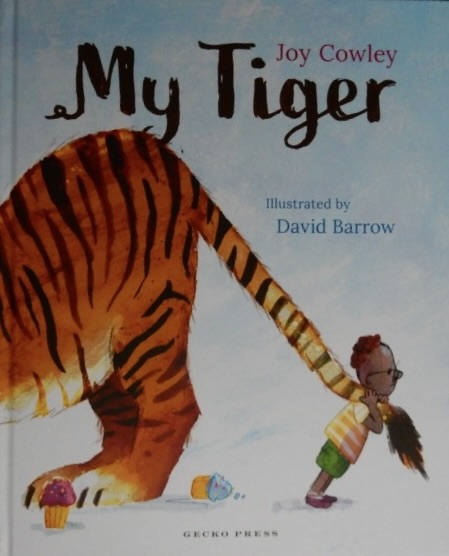
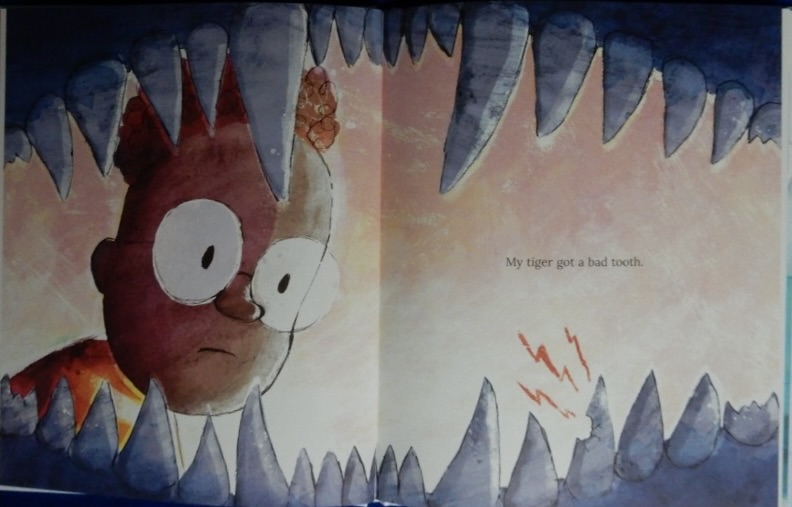
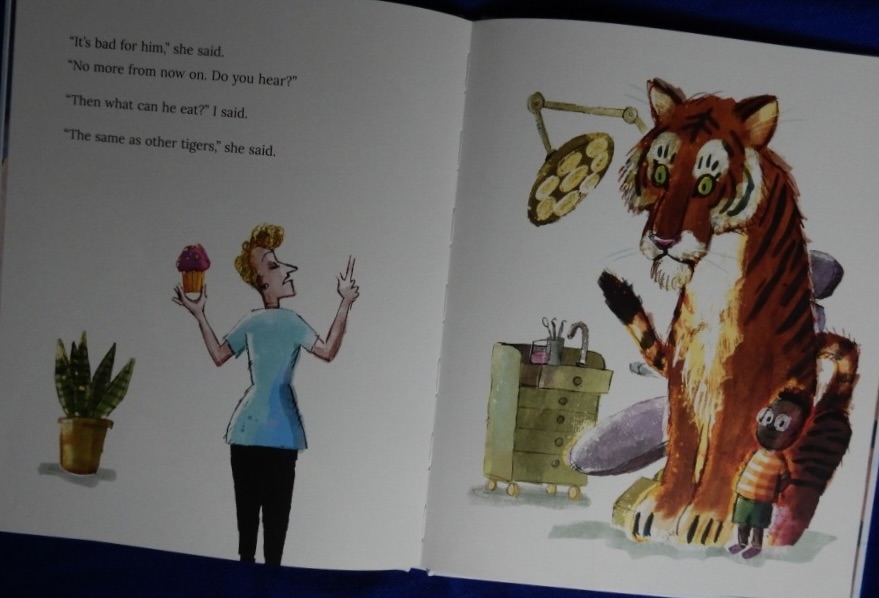
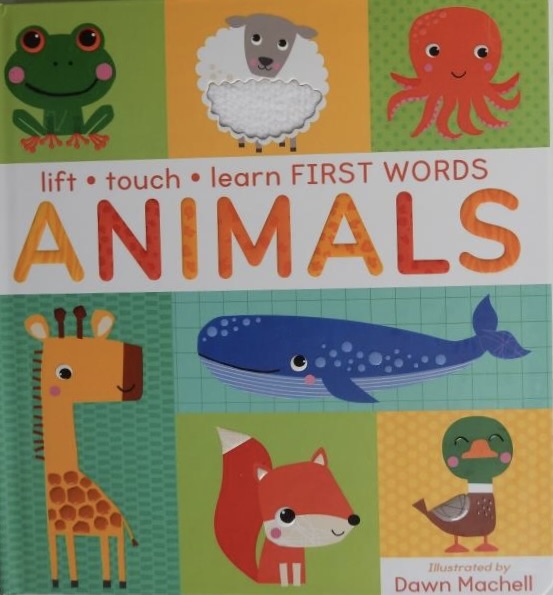
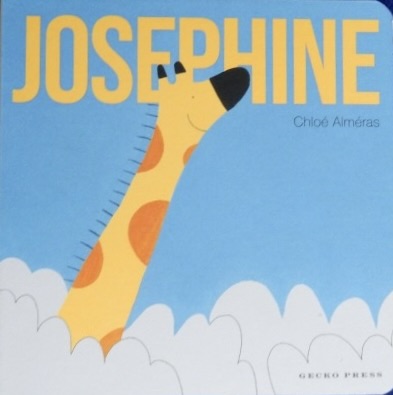
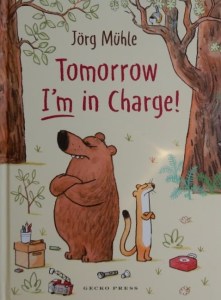
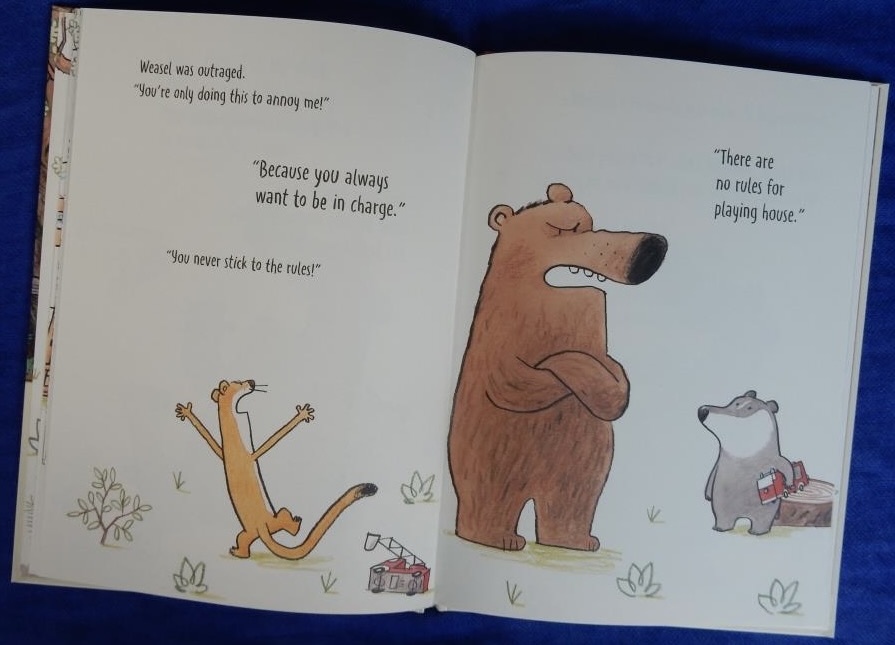
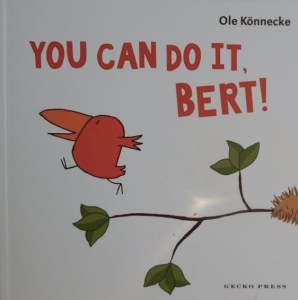
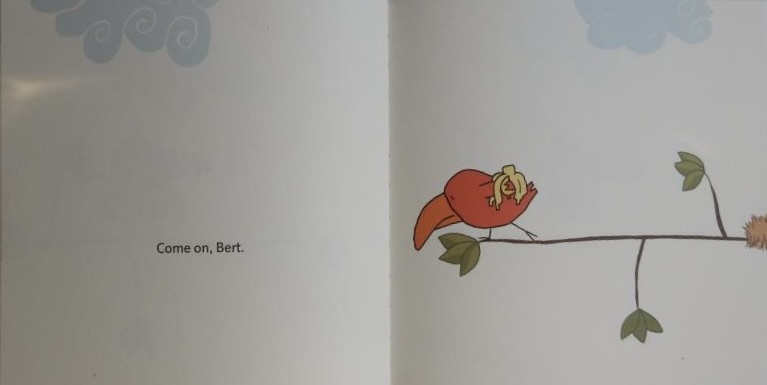
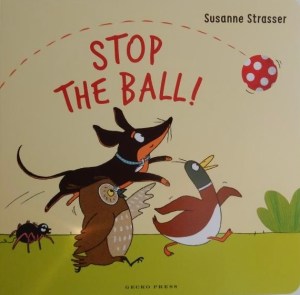
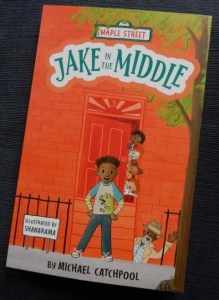
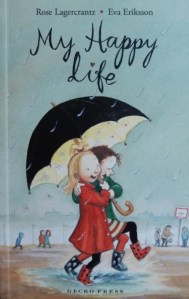
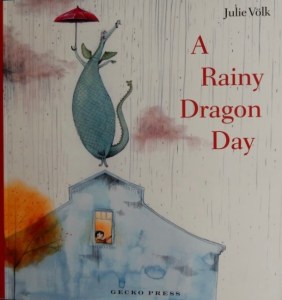
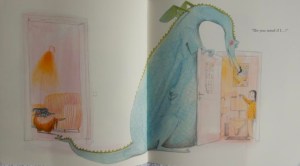
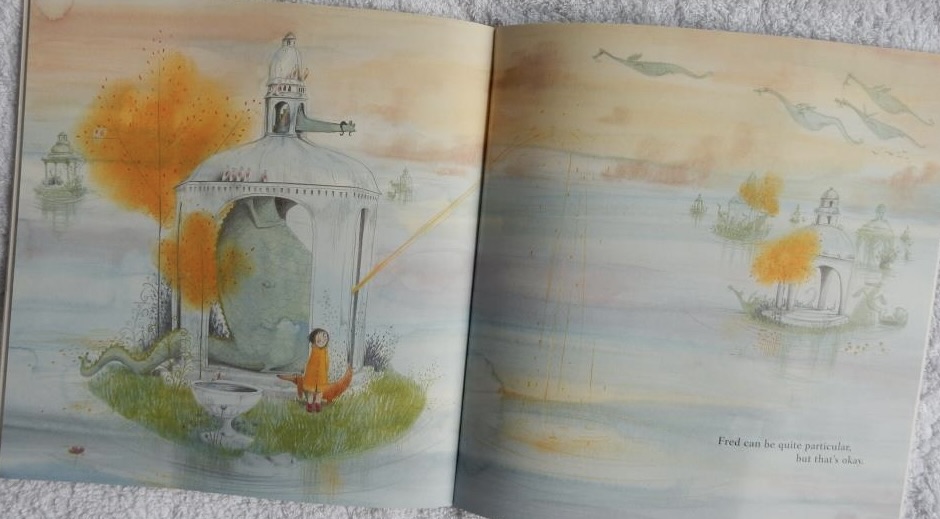
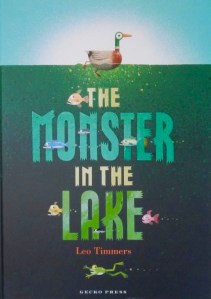
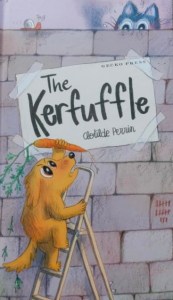
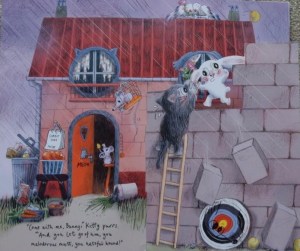
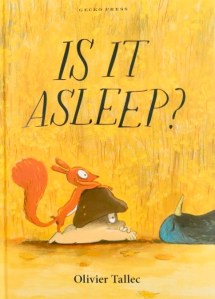
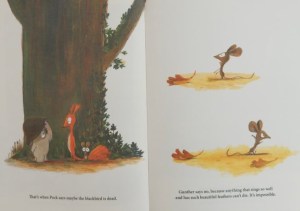
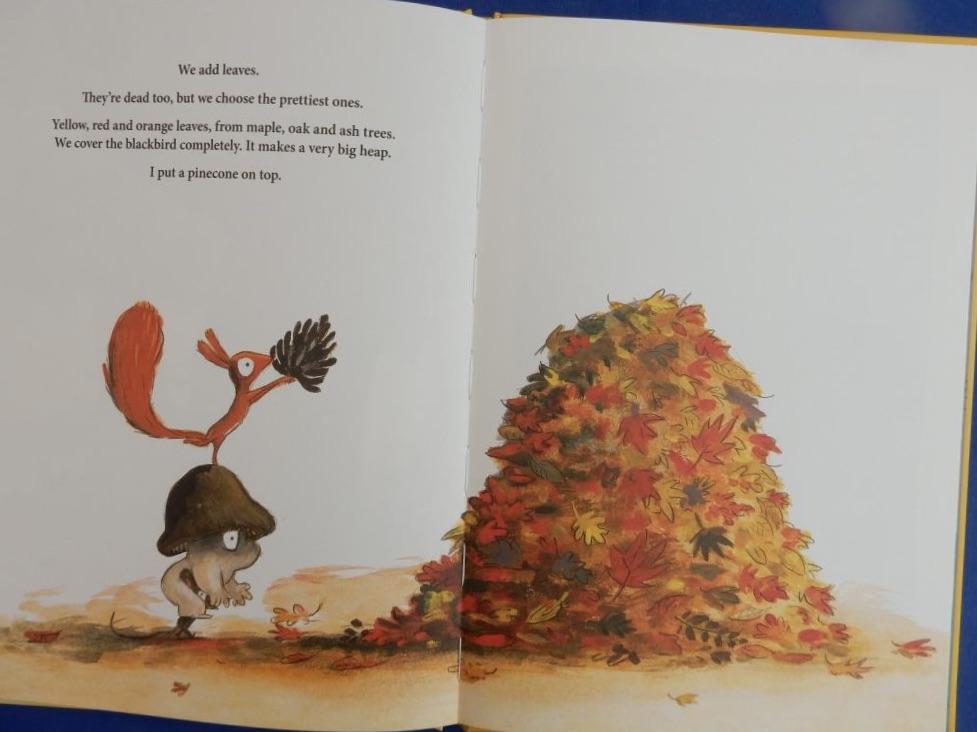


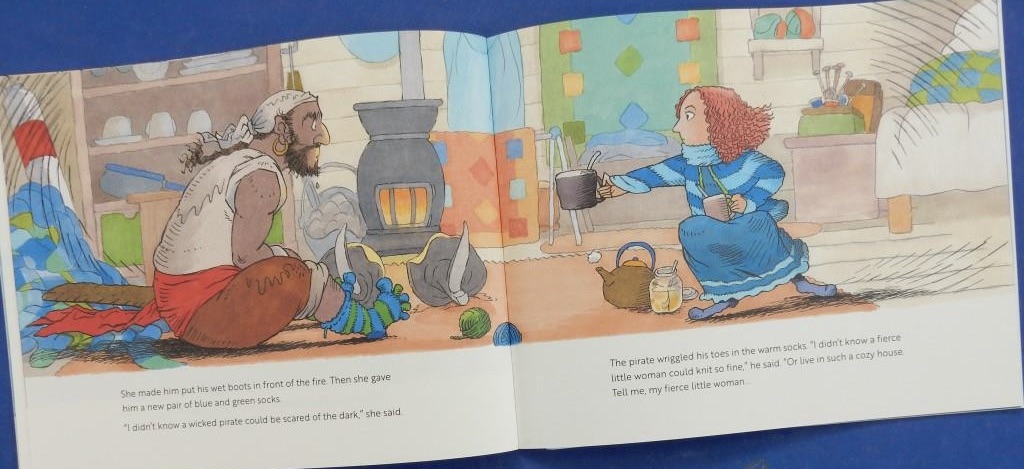


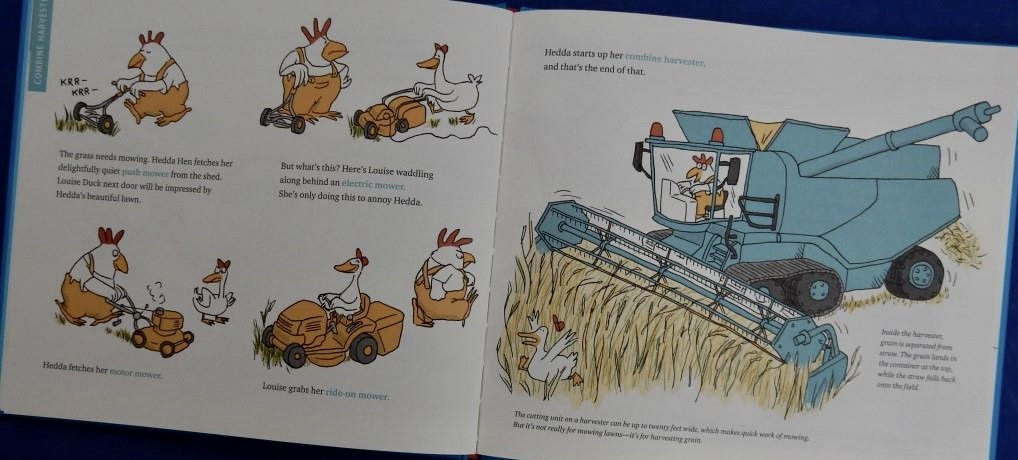

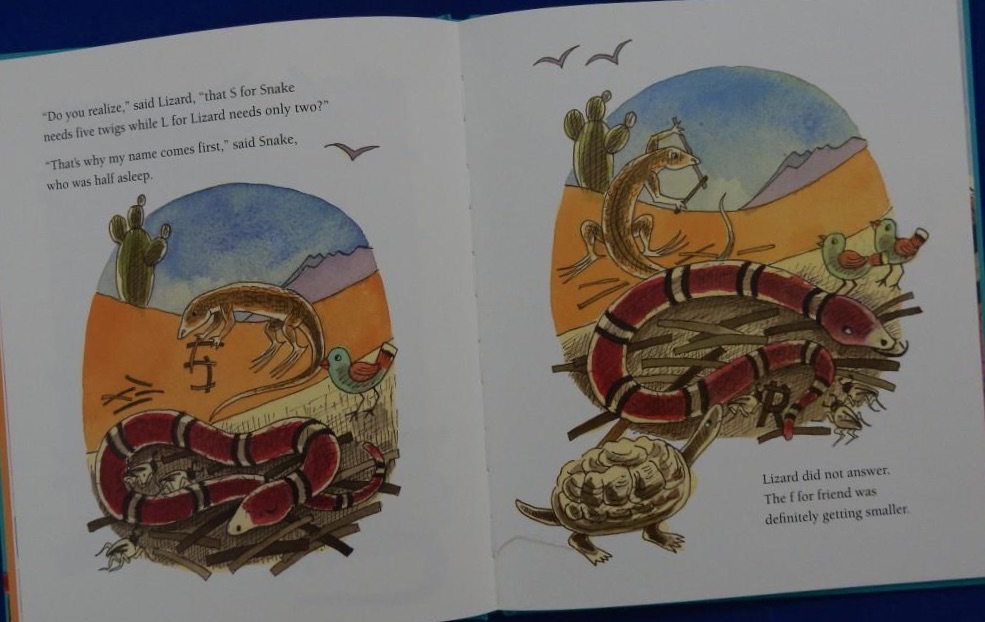

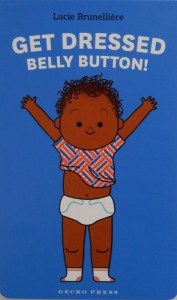
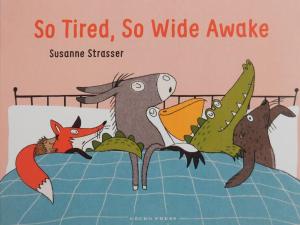


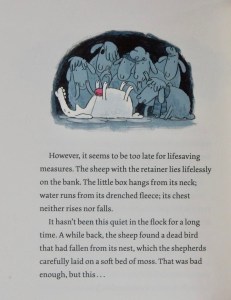
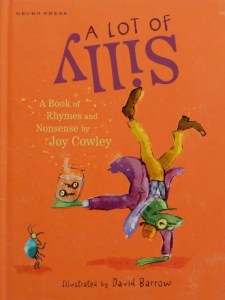
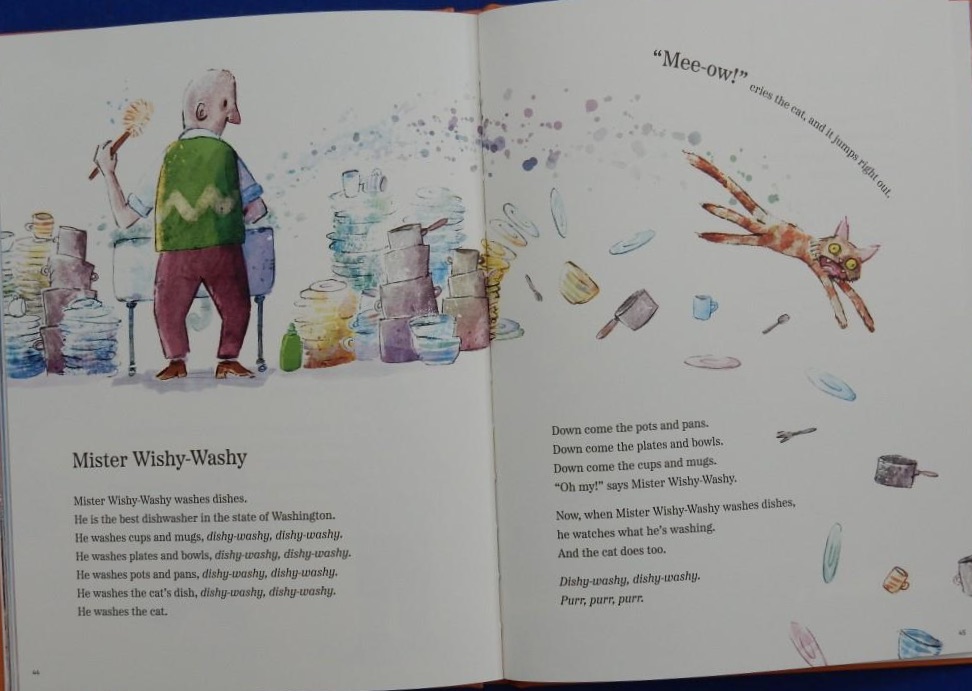
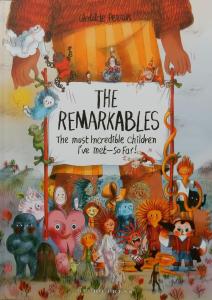

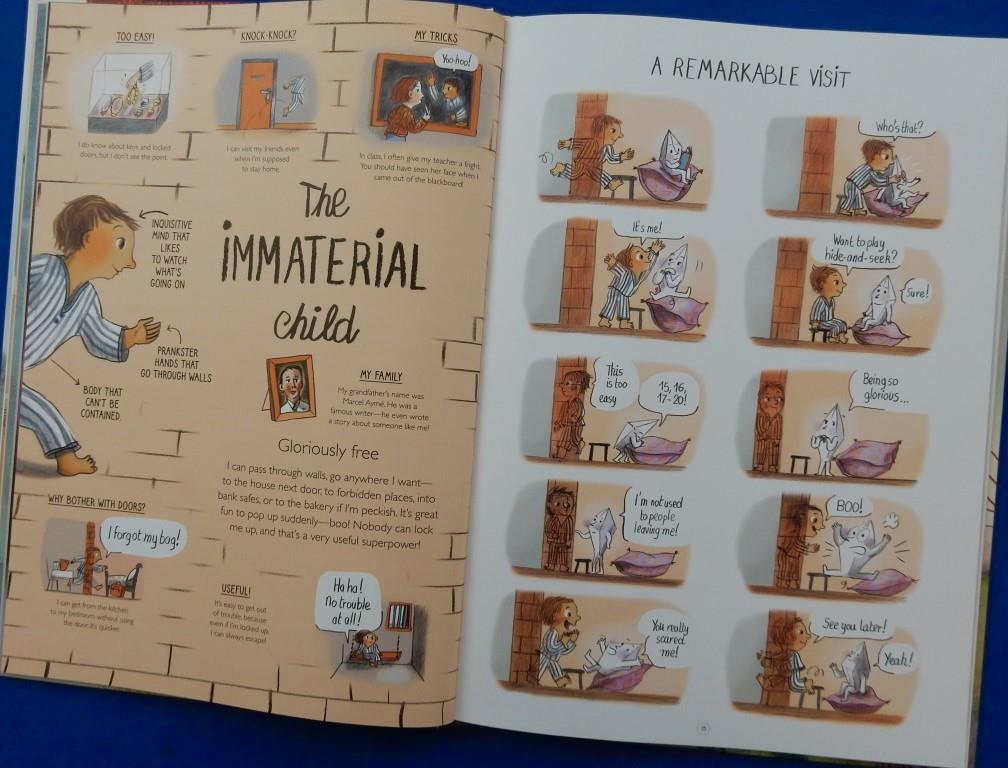

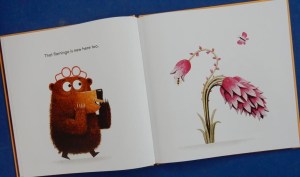
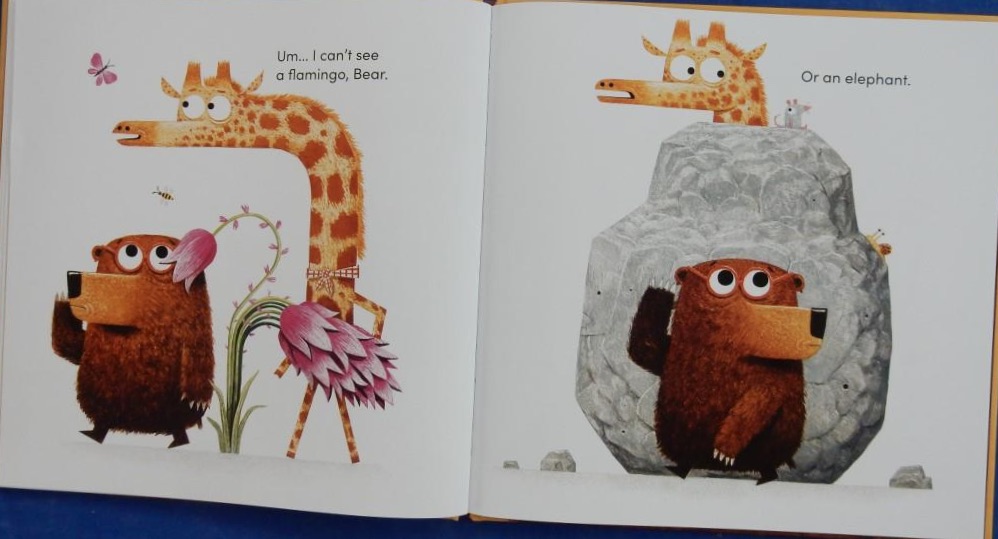

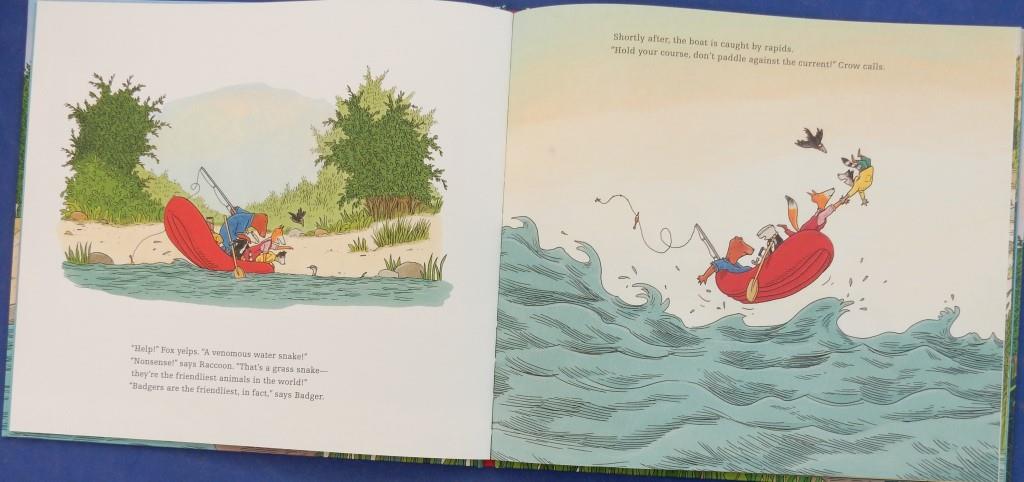
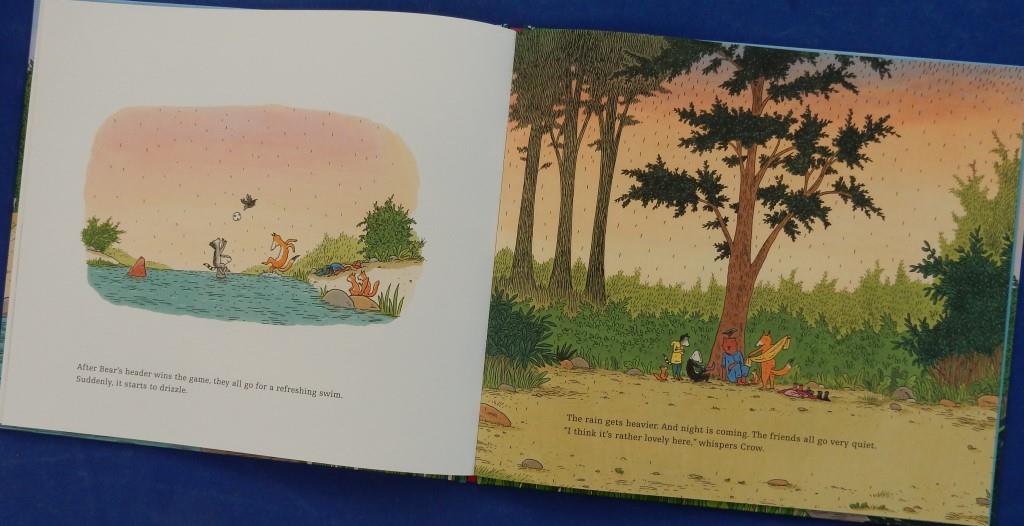
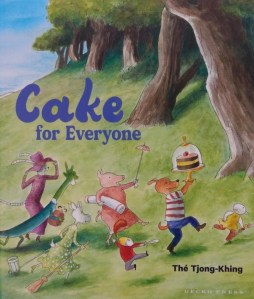
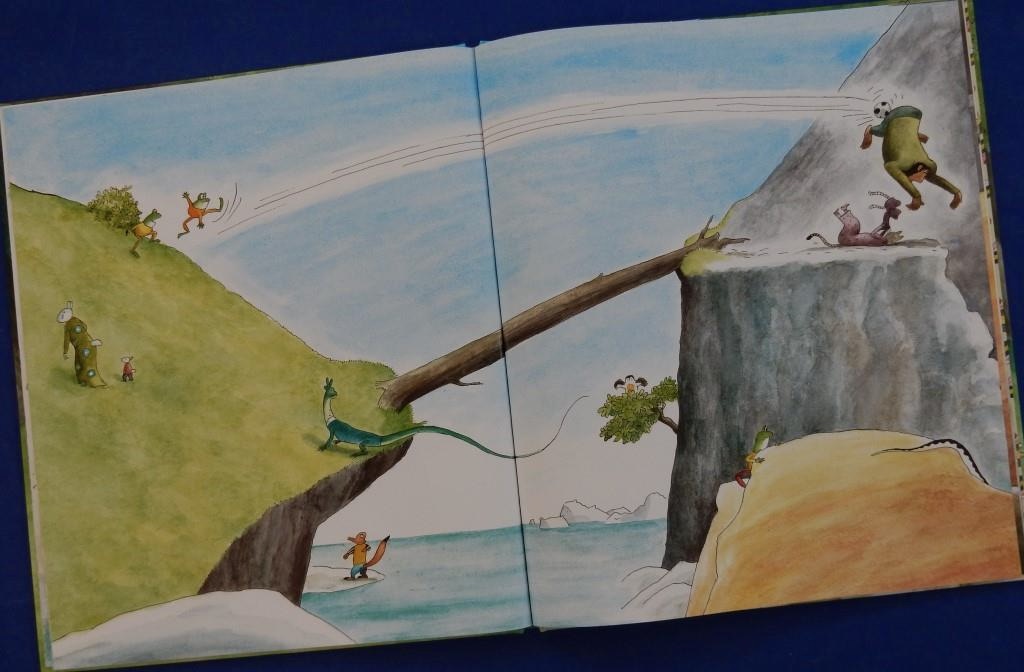


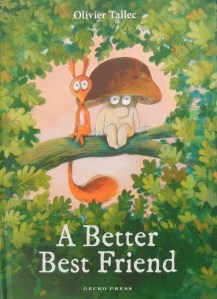
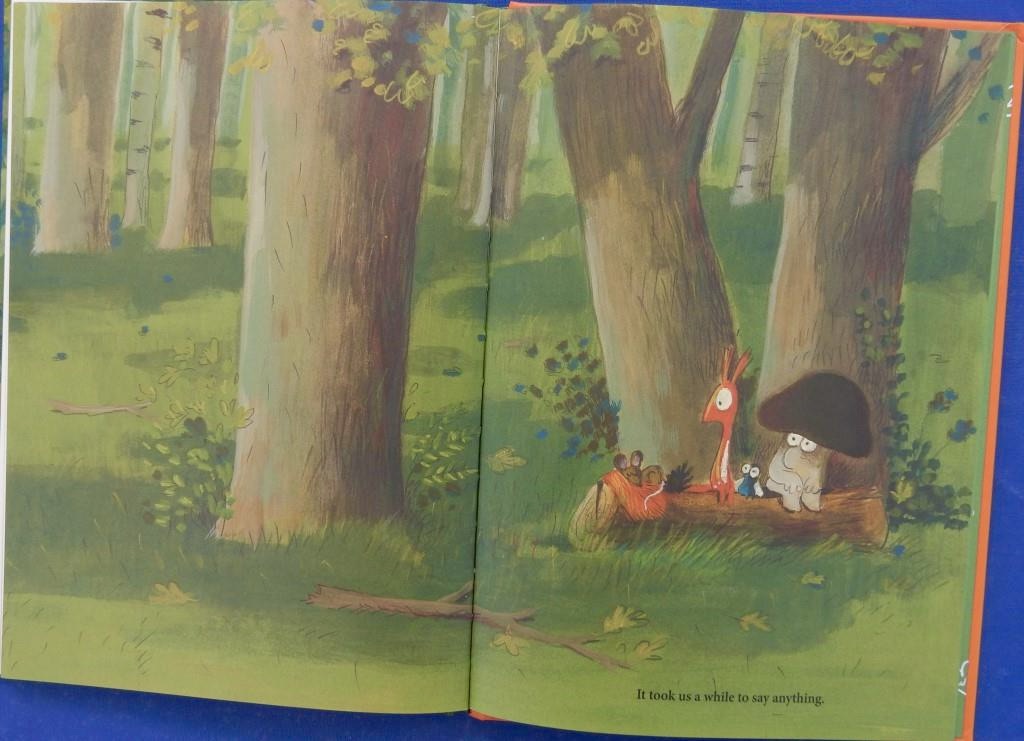
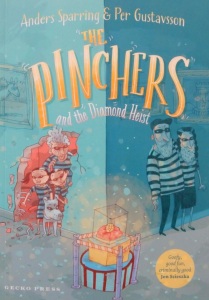
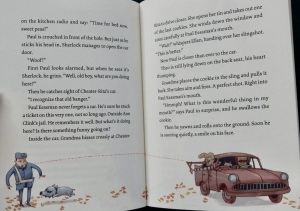
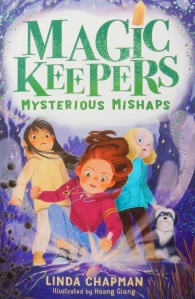

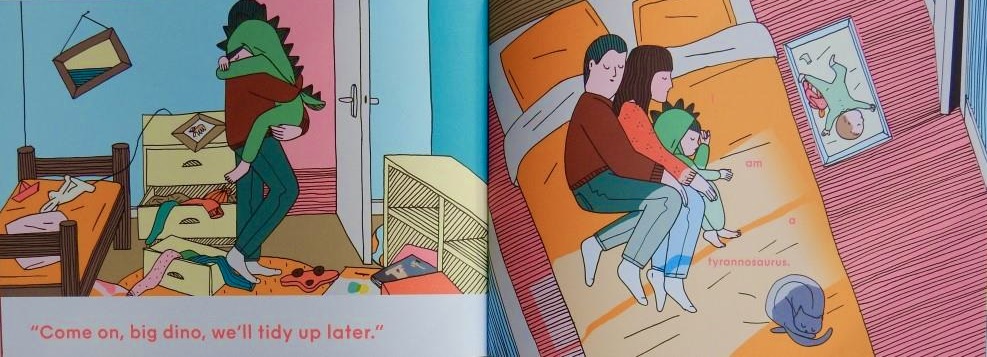
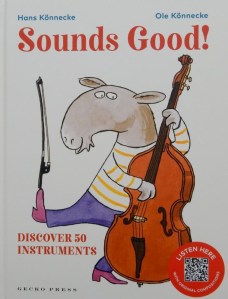

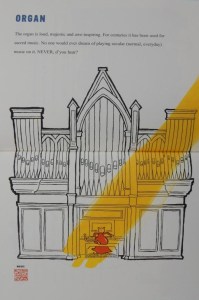

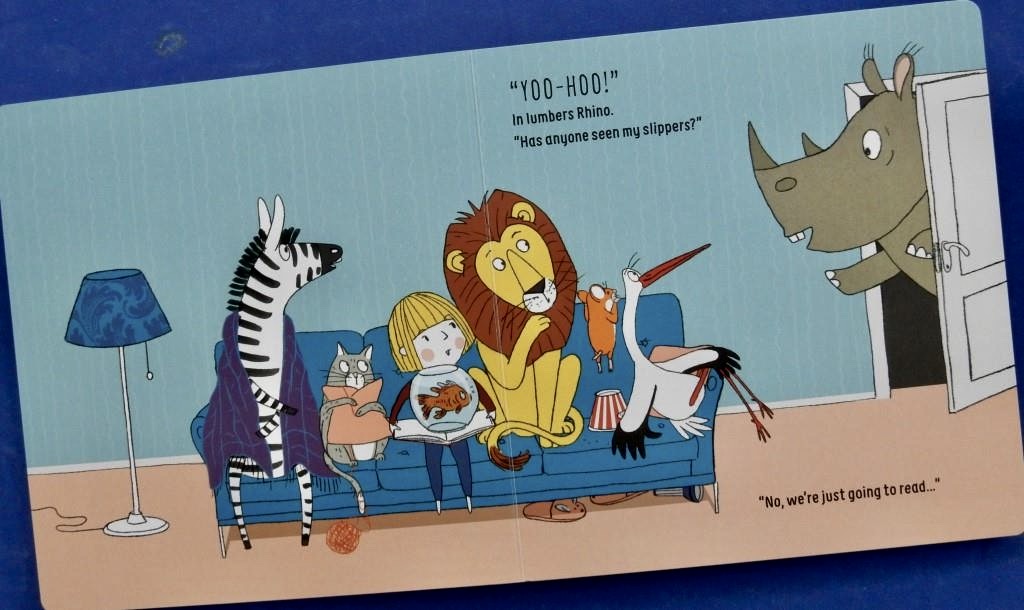


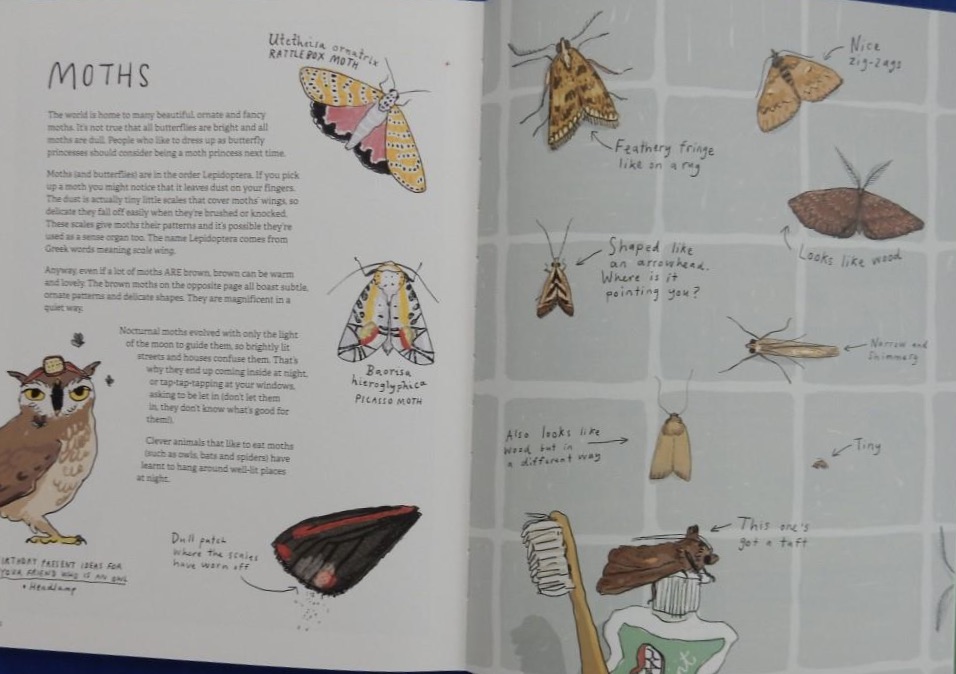


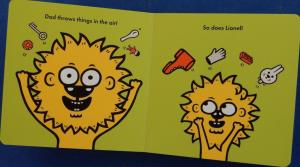
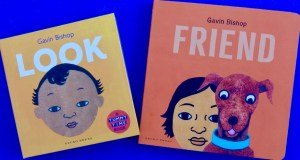
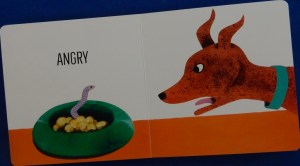


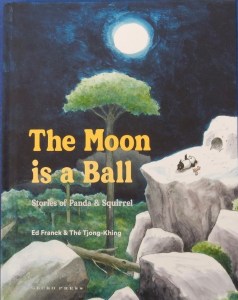
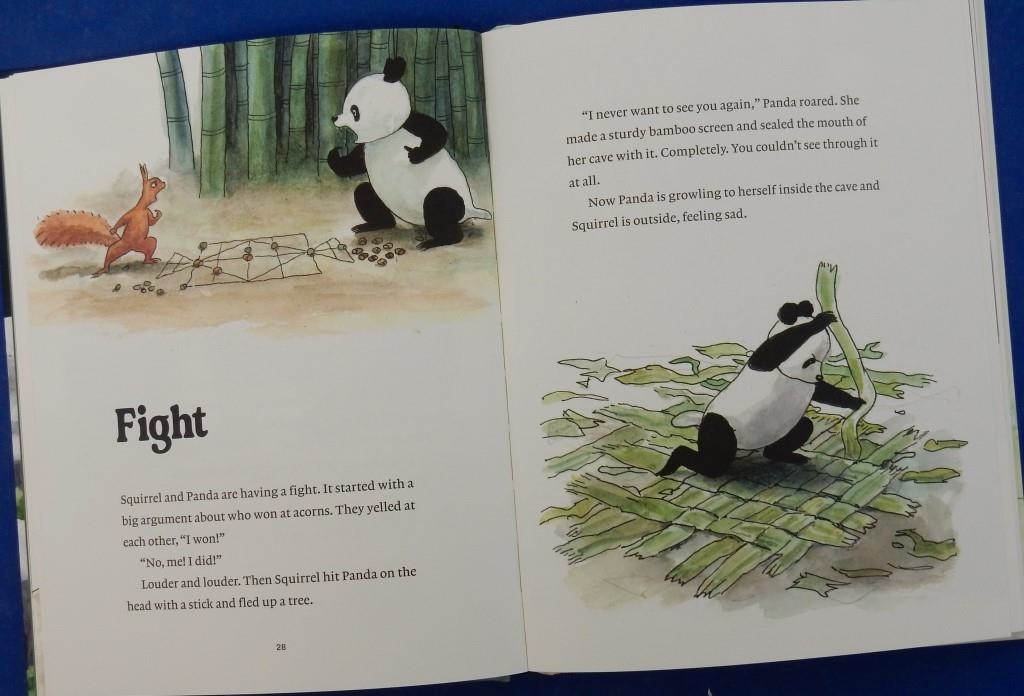


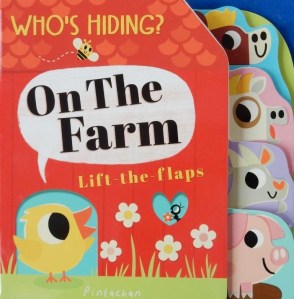


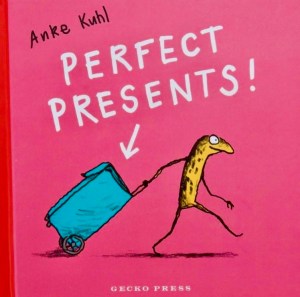


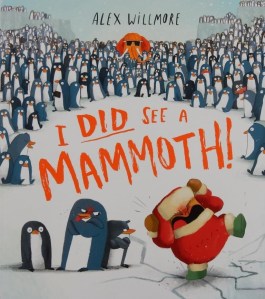


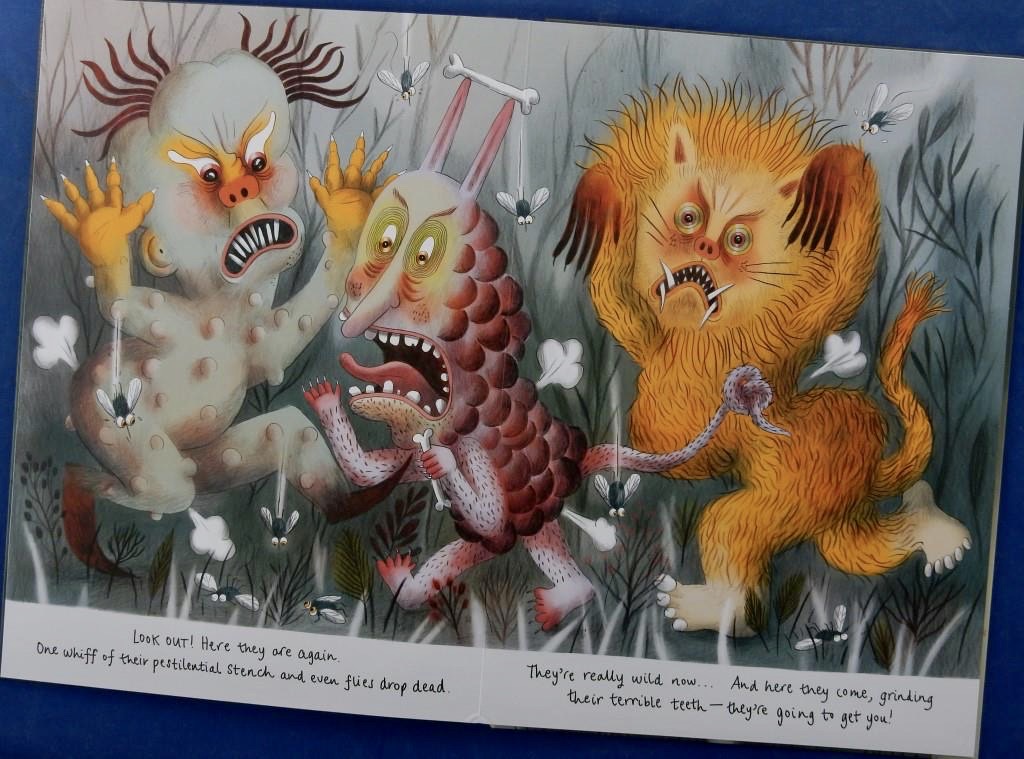





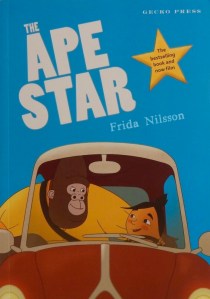
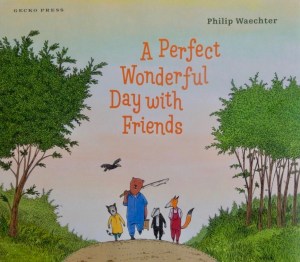
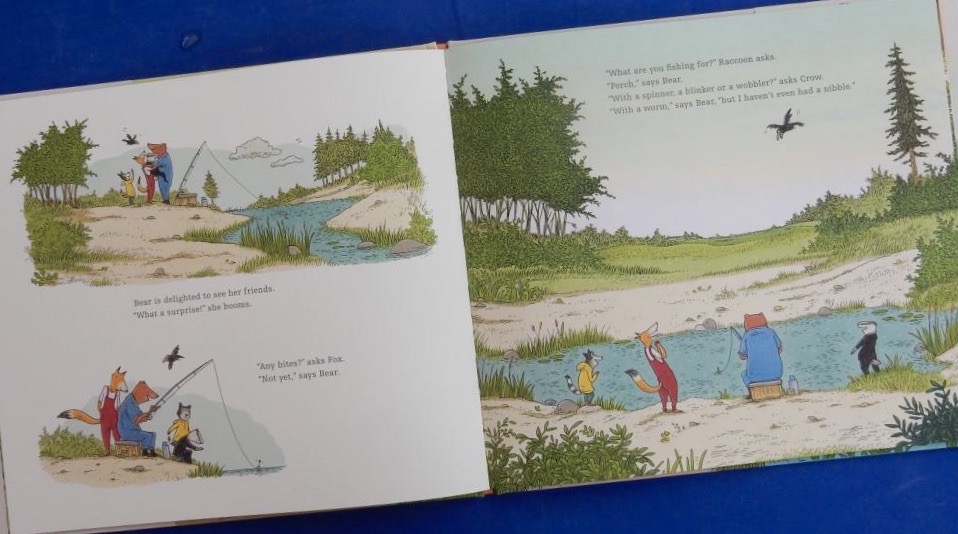
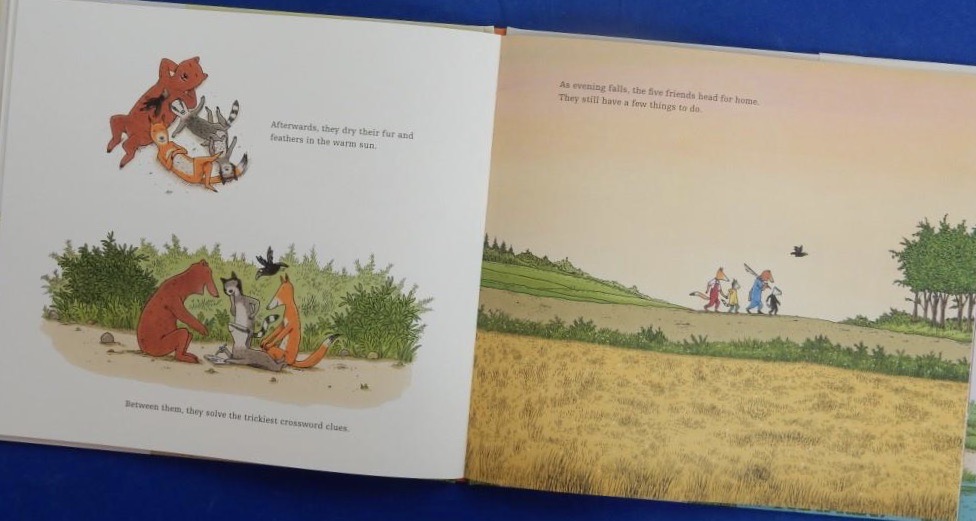
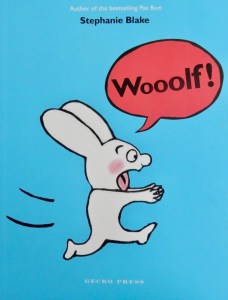
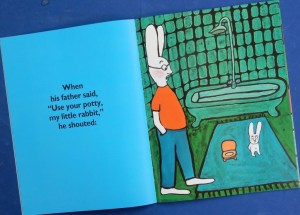

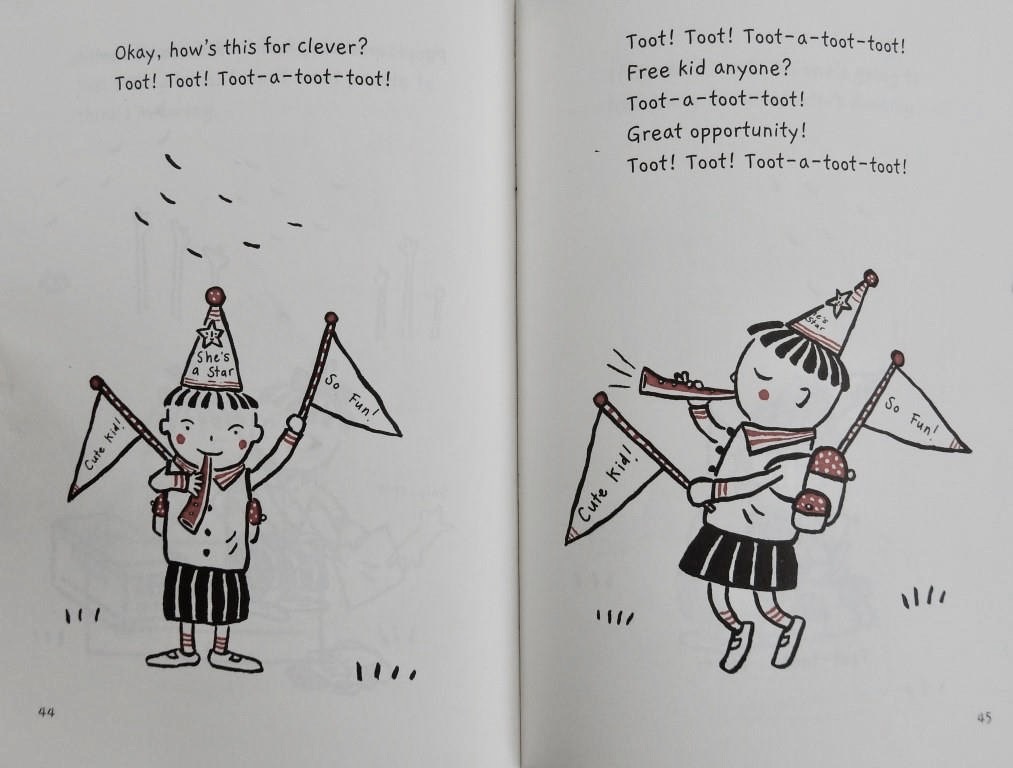



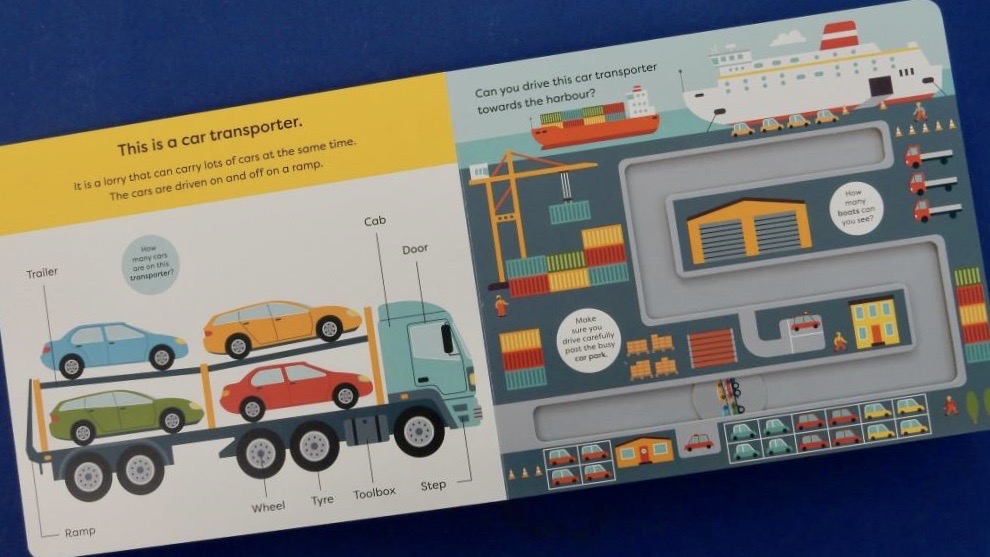


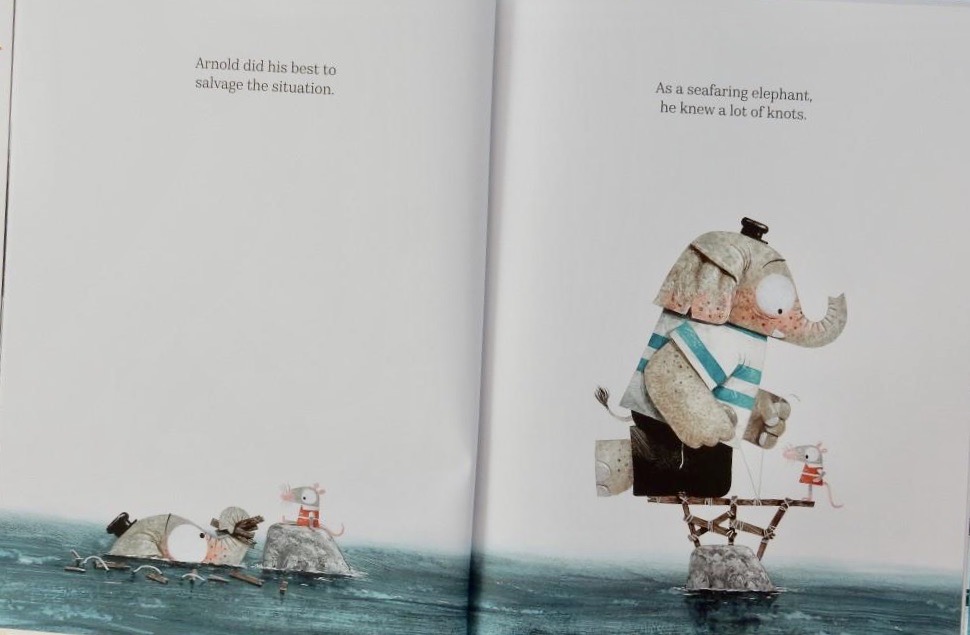





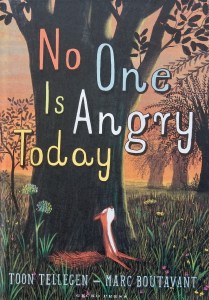
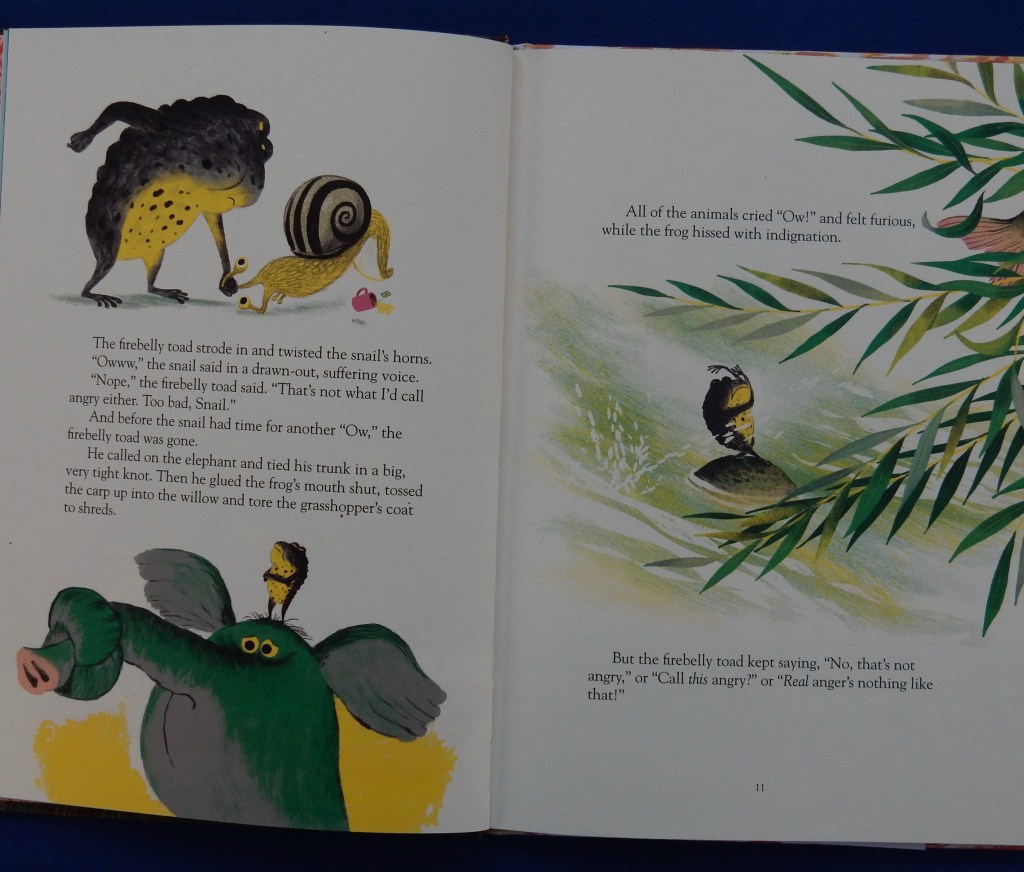
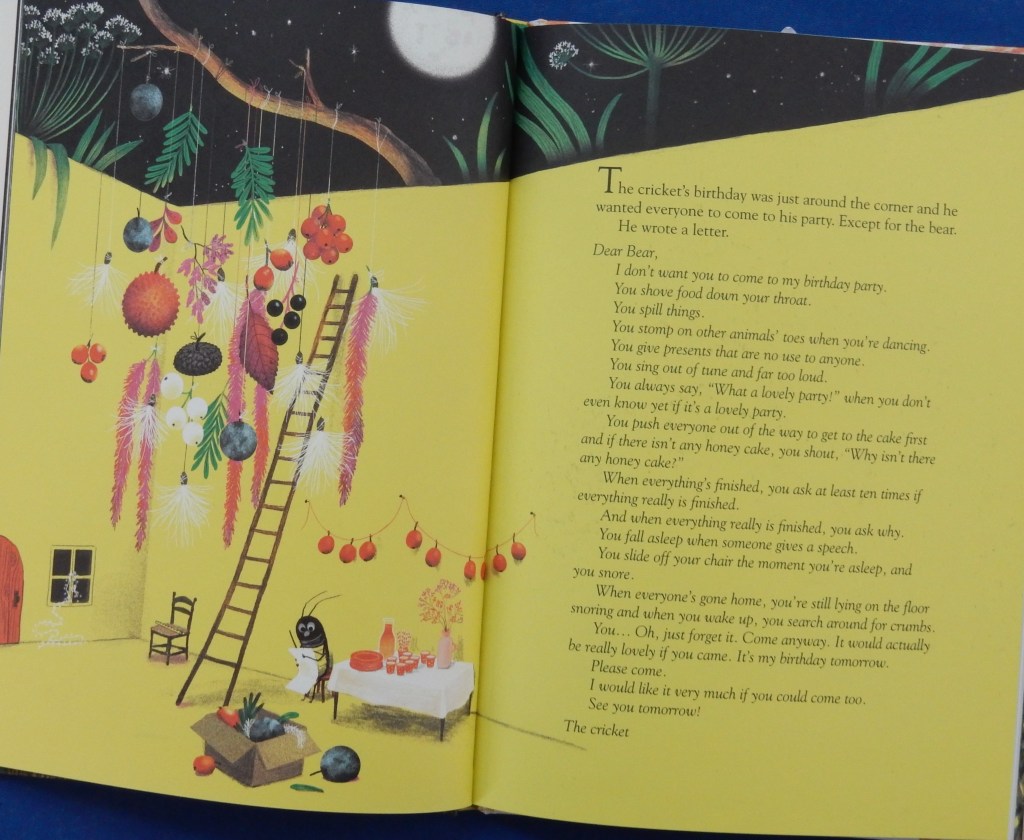


 Red Reading Hub - Jillrbennett's Reviews of Children's Books