
Lifesize: Baby Animals
Sophy Henn
Farshore
This is the third of Sophy Henn’s ingenious Lifesize series and right from the cover image, this slightly oversize book draws you in. The focus is on some of the world’s most amazing baby animals. We start by staring right into the eye of a baby blue whale, the world’s biggest baby, that when born is astonishingly about the same size as an ambulance and grows to be as long as two buses.
That’s just one of the wow moments Sophy provides along with the interesting facts and fun questions. Here’s an example relating to the baby flamingo: “What colour would you be if you turned the same colour as your favourite food?’ (not that humans are born grey like baby flamingoes)

Such questions are one of the interactive features of the book.
I had to look twice to spot the baby zebra seashores that at first glance looked like musical notes emanating from the adult’s pouch. Did you know it’s the male seahorses that give birth and there can be as many as 2000 born at one time. Alongside a wealth of other marine fauna including green turtles, these creatures live on Australia’s coral reefs.
An adorable-looking baby black bear stares straight at readers from another spread. Imagine a human baby growing to three times its birth size in three months – that’s something to consider. These bears are mostly found in the mountain forests of North America, a terrain they occupy along with wolves and raccoons.

Readers will also meet red panda cubs with their super-long tails, clouded leopards, golden snub-nosed monkey babies and then when they open a double spread showing an African waterhole and turn the book through 90% they’ll meet a baby African elephant that is likely to be taller than some younger child readers.
The final interactive element involves measurement: you can see, when measured in Lifesize books how large some of the babies are at birth and when fully grown. Readers are then invited to do the same kind of measurement with their own family members.
Cleverly designed, with stunning images at every page turn, this is a book to read and delight in over and over.

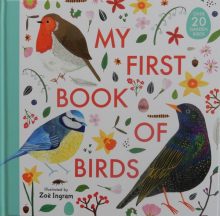
My First Book of Minibeasts
illustrated by Zoë Ingram
Walker Books
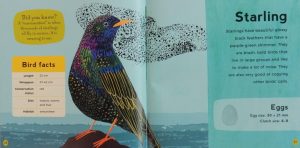
This new addition to the My First Book of series is, like its predecessors, a great place to start exploring the topic. Herein Zoē Ingram strikingly portrays twenty minibeasts, one per double spread. Each illustration is accompanied by a fact box containing its scientific name, lifespan, diet and habitat, another presents its size in silhouette form and in millimetres; there’s also a ‘did you know’ feature and a main paragraph giving basic facts.
Youngsters will meet the shade-loving garden snail and the gorgeous glow worm – did you know it’s only the females that have bioluminescent tail lights? There are among others, bluebottles, black garden ants that live in colonies,

the emperor dragonfly and the Red-tailed bumblebee. (0nce called a dumbledore, interestingly.)
An ideal book to share with young children before going out exploring be that in the garden, the park or further afield.


 Red Reading Hub - Jillrbennett's Reviews of Children's Books