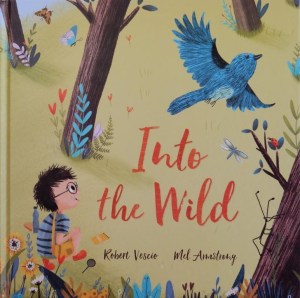
Into the Wild
Robert Vescio and Mel Armstrong
New Frontier Publishing
Young Roman has an adventurous spirit and a love of nature that often take him to new places where he makes exciting discoveries. They might be hidden away, mysterious, wonderfully wild or all of those. He needs to keep his senses alert ready for new sights, sounds and tactile experiences.
Sometimes though in the vast, wild depths of the natural world, Roman feels that despite the wonders he’s discovered something is missing; he longs to be able to share his excitement and enthusiasm.
And then unexpectedly he comes upon something that might just satisfy that longing – something interesting and rare …
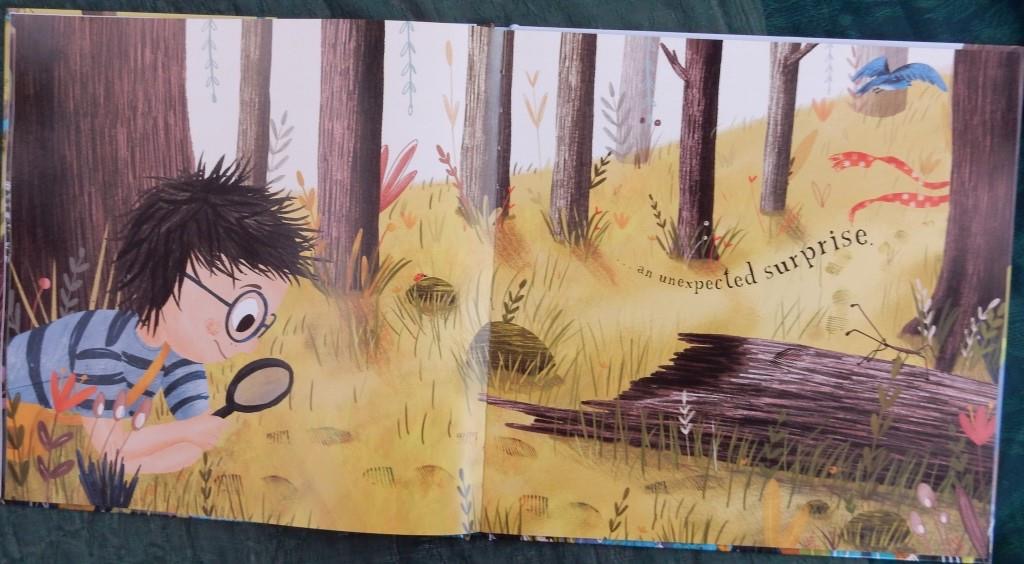
Since the start of this pandemic and especially during lockdown, more and more of us, wherever we are, have been discovering (or rediscovering) the joys of the natural world. Equally, most of us have been longing to be able to share some of the pleasure with other people, not merely virtually but in the flesh. So, this story of Robert Vescio’s with its illustrations by Mel Armstrong is a smashing portrayal of the marvels of the natural world and friendship – especially when experienced together.
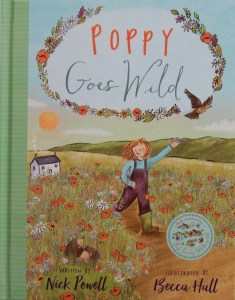
Poppy Goes Wild
Nick Powell and Becca Hall
Little Steps Publishing
TV producer Nick Powell has written this story of rewilding wherein he tells how young Poppy in partnership with her grandad embark on a scheme to return his farmland to the way nature intended it to be. The way it was some fifty years back when wildflowers grew in abundance and native animals such as hares and field mice, otters, insects and birds including peregrine falcons and soaring skylarks thrived.
As Poppy’s Grandad reminisces, she and readers learn of the dramatic changes that have happened due to such things as wetland drainage, intensive farming resulting in habitat loss, and the use of harmful pesticides. “We thought we were doing the right thing,“ Grandad tells her.
Poppy’s great enthusiasm for doing what some of the farmers she’s read about are trying, reignites her grandad’s love of the natural world and project ‘rewilding’ is agreed on. Every weekend and during school holidays Poppy intends to work on the plan but their first task is to identify areas for nature to replenish itself. Then comes providing the best conditions for this to happen.
As the work gets under way, Poppy realises that it’s more than a two-person task. She enlists the help of her classmates from the town near the farm
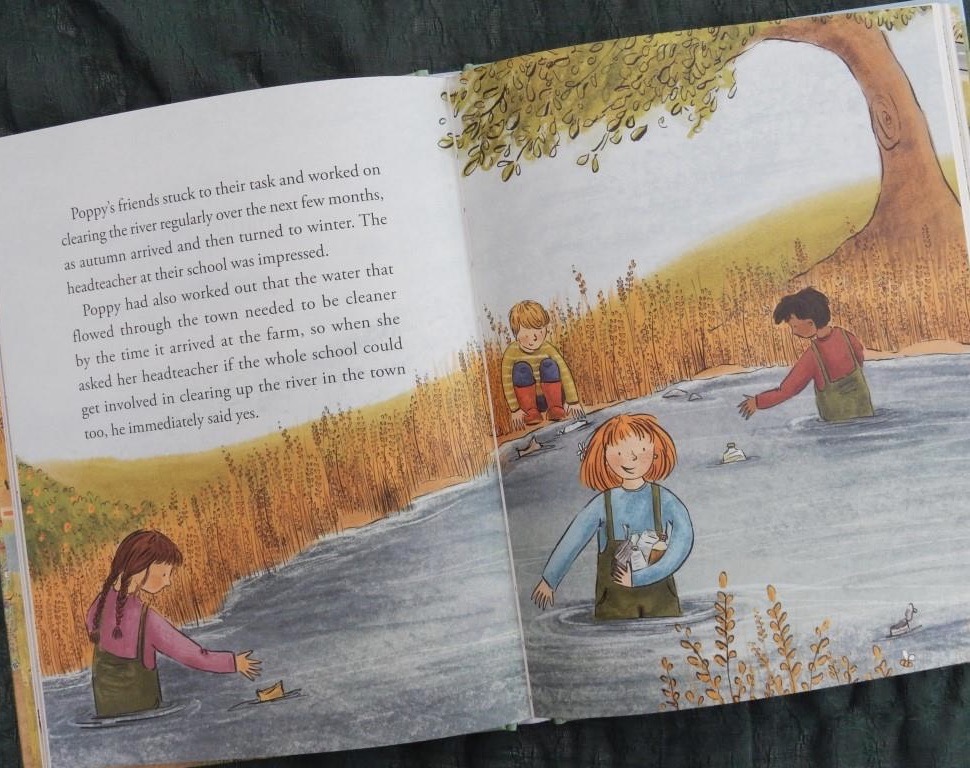
and over the next few months great headway is made. But, as the story ends, the wonderful restorative transformation work goes on.
An inspiring, uplifting, hopeful story that presents many of the environmental challenges we face at the moment with so many of our species declining alarmingly thanks to the destabilising effects on ecosystems of human activity. In addition there are other themes – collaboration and the wonderful camaraderie between Poppy and Grandad that exemplifies intergenerational relationships.
Becca Hall’s painterly, carefully detailed, illustrations are simply gorgeous. Her colour palette is aglow with the sun’s warmth as well as evoking that inner warmth and exhilaration so many of us feel when immersed in nature.
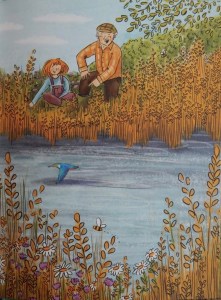
Nick Powell hopes the book will inspire youngsters to do all they can to look after wildlife, while in a foreword, Hugh Fearnley-Whittingstall, celebrity chef, writer and broadcaster, urges us all to be part of the re-wilding movement in whatever way we can. One truly hopes that, inspired by Poppy et al. both young and not so young will respond to their rallying call.
 Red Reading Hub - Jillrbennett's Reviews of Children's Books