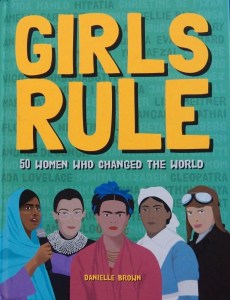
Girls Rule: 50 Women Who Changed the World
Danielle Brown
Button Books
This is the second book written by double Paralympic champion Danielle Brown, the first para athlete to represent Team England in an able-bodied event at the Commonwealth Games,
Right from her introduction readers are empowered by such words as “There are no limits to how great your dreams can grow, or how much you can achieve when you keep your curiosity burning … You are bold, talented, unstoppable. And when you stay true to your beliefs, you too, can change the world.’
Travelling through history and to various parts of the world, we are introduced to female activists, artists, writers, teachers and educators, peacekeepers, pirates, politicians, spokeswomen, scientists, sportswomen and survivors who have, or are still changing the world. Often they’ve had to overcome almost impossible odds, getting over or through huge barriers, in pursuit of what they believe(d) to be right or important.
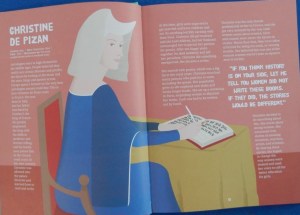
One of the women was a new name to me: Christine de Pizza an Italian who lived from 1364 to 1430. Her father became a member of the French royal court and when living in France she had access to the palace libraries and learned to read and write. After her supportive husband died, she had no money and unexpectedly, decided to become a writer who challenged the way women had always been presented in stories and accounts. She uncovered and shared true stories of women inventors, artists, scholars and more in the hope that sharing these would change the way women were treated. She was also determined to get a better education for girls.
Those who care a lot about the environment will be interested to read about Wangari Maathai who grew up in rural Kenya. Having earned a degree from an American University, she returned to her home village and on realising that vast forest areas of Kenya had been destroyed, began planting trees. She founded the Green Belt Movement and over the next three decades, despite the negative attitudes of Government officials, more than thirty million trees were planted. Eventually this inspired a United Nations campaign. What Wangari realised, that many others didn’t, was the strong link between looking after the environment and the reduction of poverty and in 2004, she was awarded the Nobel Peace Price for her work helping communities, particularly women, to restore the environment and their livelihoods. What do you think she did to celebrate her prize?
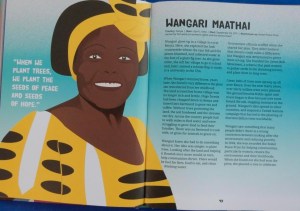
Stylishly designed, a double spread is allocated to each woman featured and as well as the written biographical details, there’s a large illustration and for most, a significant quote. Here are a couple: “I refuse to believe that you cannot be both compassionate and strong.” (Jacinda Arden, the Prime Minster of New Zealand for over five years) and “The greatest gifts we can give our children are the roots of responsibility and the wings of independence.” (Maria Montessori, doctor and educator.)
Another inspiring book about following your dreams for KS2 readers.
 Red Reading Hub - Jillrbennett's Reviews of Children's Books