Letters to Anyone and Everyone

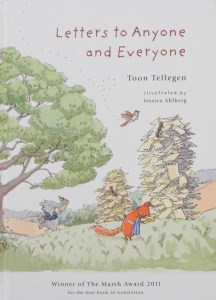
Letters to Anyone and Everyone
Toon Tellegen, illustrated by Jessica Ahlberg
Boxer Books

More than twenty short tales each with an epistolary element and all written by a group of animals including elephant, snail, squirrel, ant, carp, bear and mole, are found between the covers of this delightfully quirky and unusual book translated from Toon Tellegen’s original Dutch by Martin Cleaver. You will find a fair number of cakes,
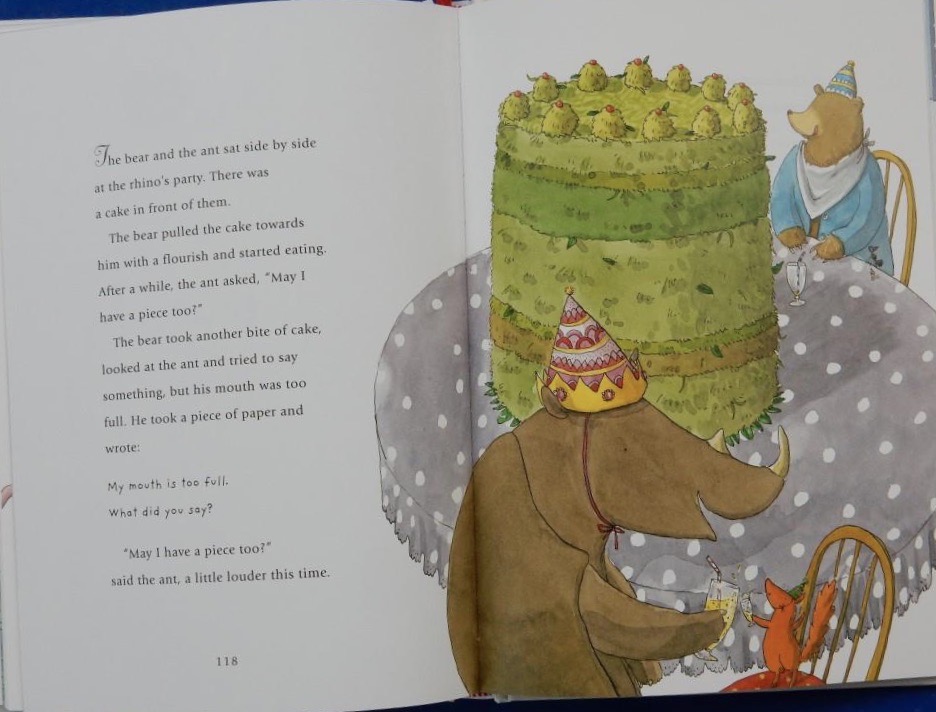
friends aplenty and some wonderful meditations on life itself. Whether or not, like the squirrel, you can convince yourself that it’s possible for a table to write a letter is your decision, but really it’s only a small step from accepting that an ant can attempt to write his memoirs.

It’s impossible to choose a favourite but I really loved the first – Elephant’s letter to Snail:

Dear Snail,
May I invite you to dance with
me on top of your house? Just a few
steps? That’s what I want most of all.
I promise I’ll dance very delicately,
so we won’t fall through your roof.
But of course, you can never
be really sure.
The elephant
.’

Snail responds and this eventually results in the two dancing together, to the pachyderm’s delight.
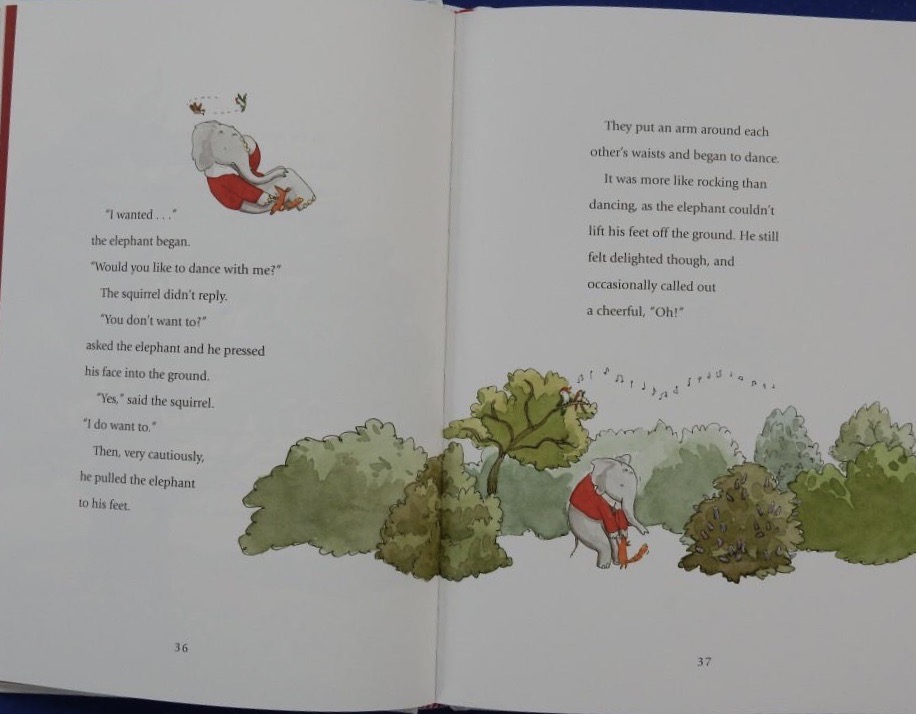
Others are more surreal and the book ends with all the animals coming together on the final day of the year and writing a very considered letter to the sun. And yes, in case you’re wondering, they do receive a reply.

Jessica Ahlberg’s delicate illustrations bring the letter writers to life and provide a perfect complement to the tone of the text.
This is a thoughtful book to savour and one that will appeal especially to those who enjoy reading something thoughtful with an edge of excitement.
No One Is Angry Today

No One is Angry Today
Toon Tellegen and Marc Boutavant
Gecko Press

Herein (translated from the original Dutch by David Colmer) are ten philosophical short stories – kind of fables but without the morals – illustrated by Marc Boutavant, that explore anger using a cast of animal characters whose emotions are more than a little similar to those of humans, with anger taking various forms – fury, sadness, ridiculousness for instance.

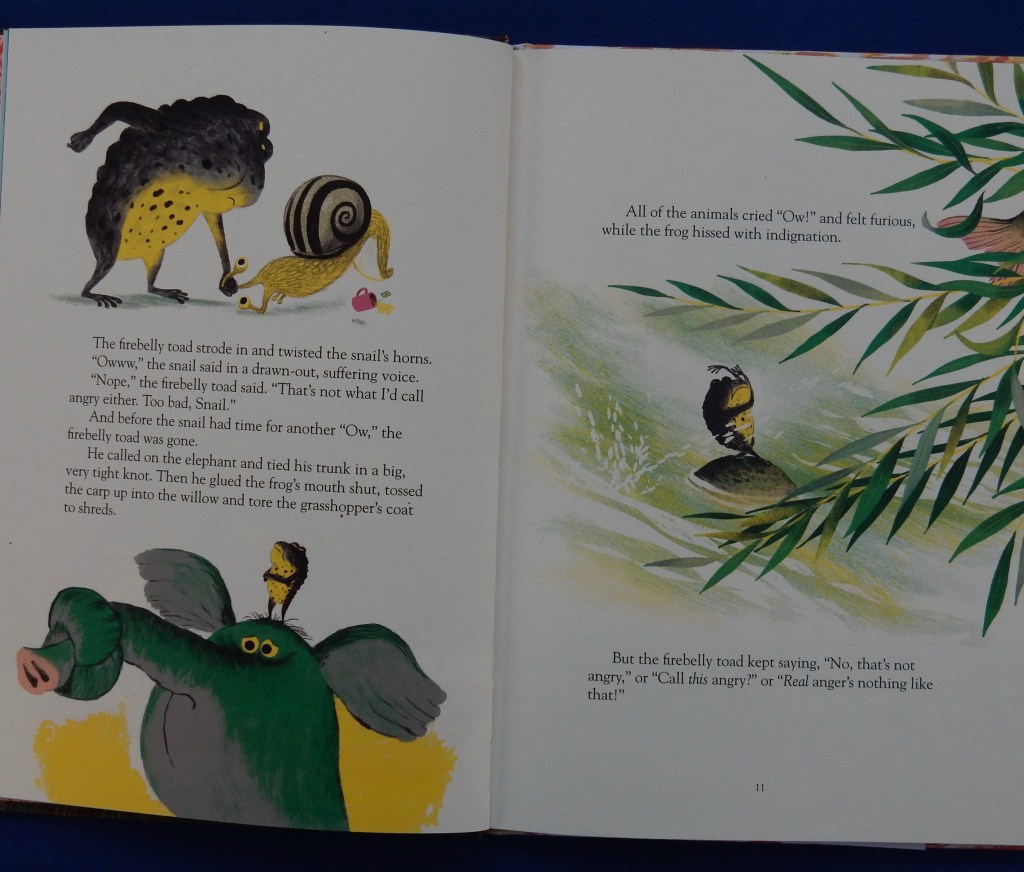
There’s a firebelly toad whose anger is expressed through inflicting pain on other creatures by attacking them viciously, arousing the recipients’ extreme fury – so he hopes.

Then there’s a squirrel, sad that his ant friend has gone away almost definitely not to return; squirrel can’t be angry but waits patiently for his friend— strangely however his anger is displaced, showing itself by means of the walls of his home.

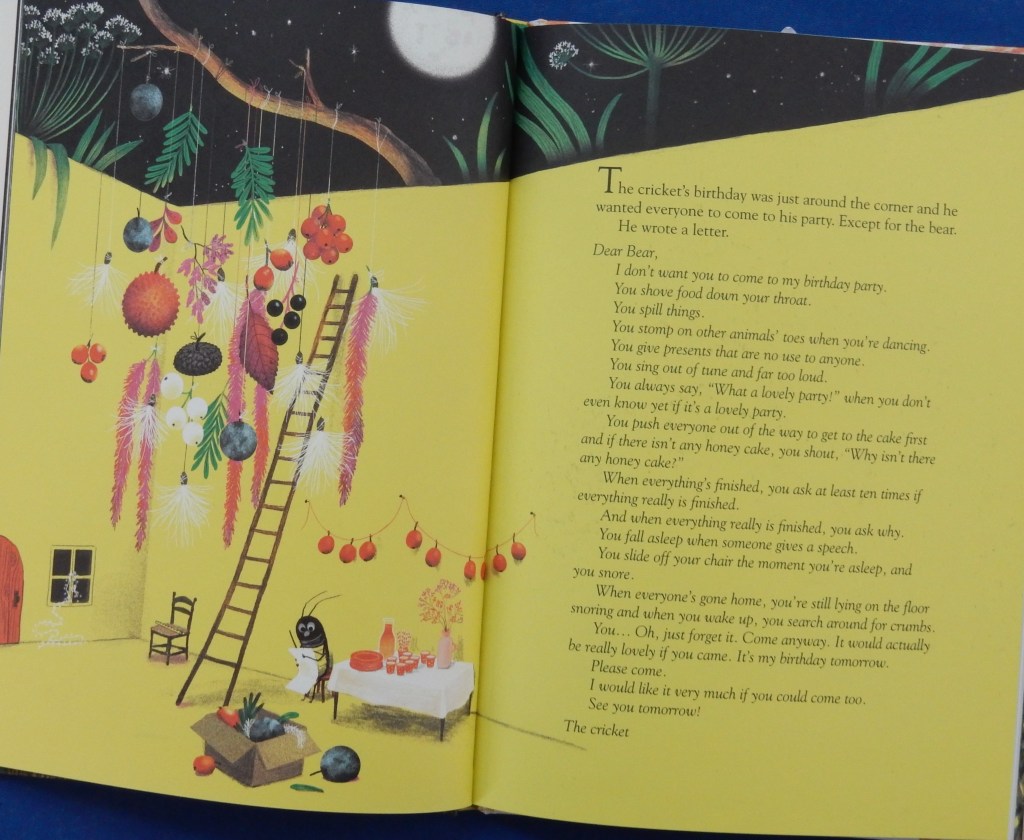
With his birthday imminent, Cricket sends Bear a strange invitation letter listing all the annoying things Bear does on such occasions, but concluding that he’d like it very much if the ursine creature came along. perhaps Bear will feel some anger too …

When Squirrel agrees to dance with Elephant one summer’s evening the former is already contemplating the possibility of having his toes trodden on, but agrees not to get angry if it happens, and almost inevitably, it does and Squirrel feels the pain, but keeps his word. After a series of toe treadings and even getting bashed against a tree, Squirrel’s anger remains quiet while Elephant is ecstatic.

Each of the brief tales is a small piece of drama however the anger is expressed, and interestingly it tends to be the male animals whose anger is aggressive while females show theirs in other ways.

Marc Boutavant’s illustrations are superb in the way he captures each animal’s expressions – facial and body language – as well as the detail of the woodland settings of the tales.

I’d suggest using these as starting points for community of inquiry discussions with primary children.