
100 Ways to Save the Planet
Tom Jordan, illustrated by Joshua Rice
Button Books
Engaging readers from the outset with his ‘superhero footprint’ suggestion, Tom Jordan provides a wealth of ways children can reduce their carbon footprint. starting with cutting out meat from their diet or if that’s too big a leap then reducing the amount eaten with fewer meat-consuming days per week and encouraging other family members to do likewise. To that end, related topics are suggested on later spreads; for instance growing your own vegetables.
I wonder how many people don’t ensure they’ve turned the taps off properly after showering or bathing, or brush their teeth with the water running: saving water isn’t hard, it just needs a bit of thought. Some of that bathwater you do use can then be used to give your ‘pet dragon’ a drink, (ie a Dracaena houseplant) – another cleverly linked suggestion.
I’ve noticed many primary schools and children’s playgrounds have already constructed bug-friendly ‘hotels’ with the help of youngsters, but there’s still a way to go. Why not take the ‘Build a bug-friendly borough’ suggestion literally and with adult assistance, encourage all schools in your area to do likewise.
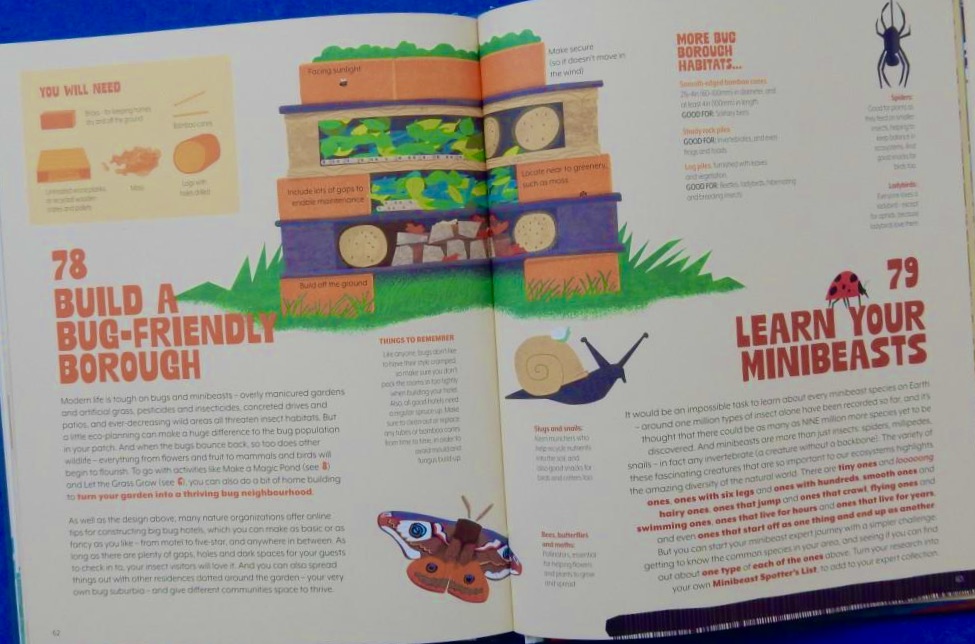
Reduce, repair, recycle, reuse: these are key practical words for anybody looking to tread more lightly on our planet. There are plenty of ideas to implement these actions and it matters not whether children can actually read the book for themselves. With its enticing, clear illustrations by Joshua Rice and interesting facts, this is an invaluable handbook for any family, primary or even secondary classroom: think of all the environmental superheroes it could inspire.
 Red Reading Hub - Jillrbennett's Reviews of Children's Books