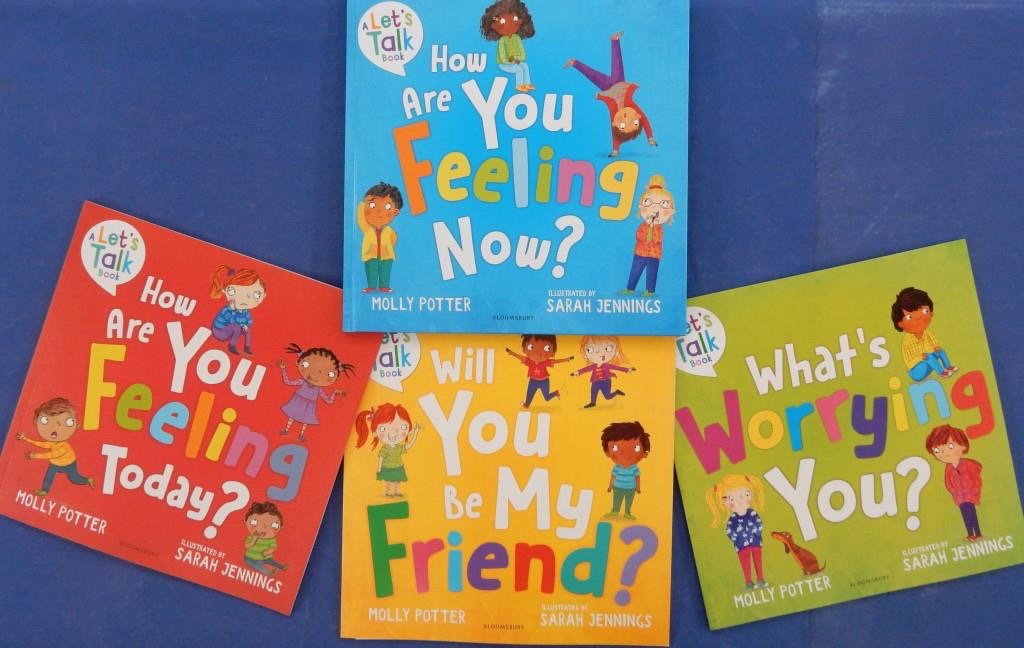
How Are You Feeling Now?
How Are You Feeling Today?
What’s Worrying You?
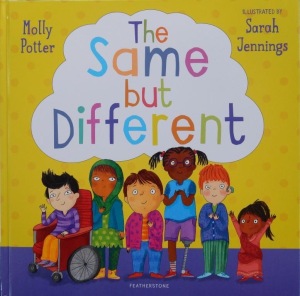
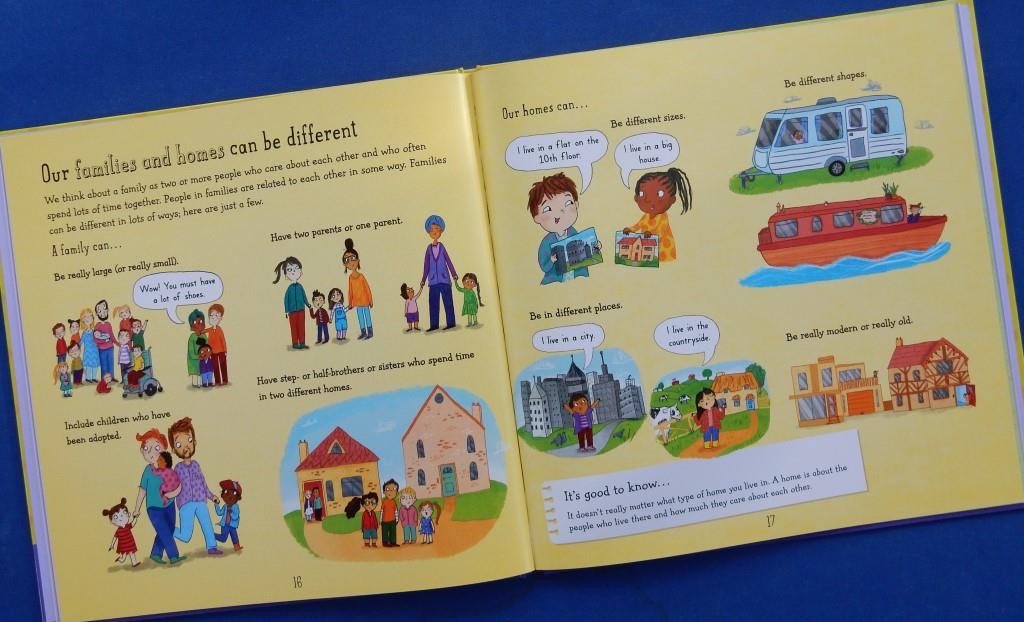
The Same But Different
Will You Be My Friend?
Molly Potter and Sarah Jennings
Bloomsbury Education
How Are You Feeling Now? is a hardback addition to the interactive Let’s Talk series; the other titles are, in the publisher’s words ‘refreshed paperback editions’ of existing titles.
Developing emotional intelligence is a key part of children’s education in the early years and in her newest title Molly Potter adds another twelve ways of feeling to happy, angry, bored, worried, sad, excited, grumpy, scared, quiet, jealous, embarrassed and shy, which were discussed in How Are You Feeling Today? again devoting a double spread to each one. The new ones are giggly, anxious, confused, disappointed, proud, brave, frustrated, guilty, lonely, grateful, surprised and playful. For each, she explains what the feeling means and offers several suggestions – some sensible, others slightly offbeat, to help manage it. ‘Tell an adult that you need clarification because you are confused. It’s fun to use fancy words!’ or ‘ ‘Say I am SO confused. See how long you can say “so” for!’
Those of us who work or live with young children know they experience a whole range of emotions every day. A lot of them do not know how to deal effectively with these emotions. Since the start of the COVID pandemic many more youngsters began finding it difficult to cope with the gamut of feelings that beset them and this is still true now. So, books like this new one, written in straightforward, child friendly language giving fun, imaginative, positive ways to deal with these feelings, illustrated with Sarah Jennings’ appropriately expressive vignettes is a welcome resource for both parents and those in education. Also included is a guide for parents with information about emotional intelligence and advice about how we as adults can be important role models.
Worrying is normal, adults worry and so increasingly do children, often due to the pressures of the education system. In What’s Worrying You? Molly identifies other possible reasons why a child might feel worried: falling out with a friend, being picked on, arguing parents, fears and phobias, jealousy, being ignored, not having friends to play with and being ill. The verso acknowledges the child’s feelings and provides several words for their feelings: a great way to open a conversation and to help the child concerned verbalise how they feel. The recto comprises ‘things to remember’ in the form of gentle guidance and suggestions to improve the particular situation. As always the tone is spot on for young children. Back matter offers a Feelings glossary and guidance for adults about helping a child to talk about their worries.
Both The Same But Different and Will You Be My Friend? have been reviewed previously on this blog. All the titles deserve a place in Foundation Stage settings and families with young children.

 Red Reading Hub - Jillrbennett's Reviews of Children's Books