
The Muddy Puddle KS1 Teacher
Sarah Seaman
Bloomsbury Education
Brimming over with outdoor activities, this handbook is based on the Muddy Puddle Teacher Approach and follows the Three Muddy M’s – mother nature, mental health and movement, and includes activities for every season. As Sarah Seaman says in her introduction, ‘My work and this book, is about more than outdoor learning. it is about inclusion, confidence and self-esteem.’ – three elements that should be at the heart of any learning establishment.
Muddy Puddle teaching is presented in eighteen succinct chapters starting with safety, then planning and assessment, followed by supporting neurodivergent and SEND children, before moving on to areas of the curriculum. It’s great to see that chapters include group activities. You’ll find lots of cross curricular ideas and suggestions for using very basic equipment creatively. Many activities are differentiated and whether you wish to develop a child’s fine motor or gross motor skills, you’ll find ideas.
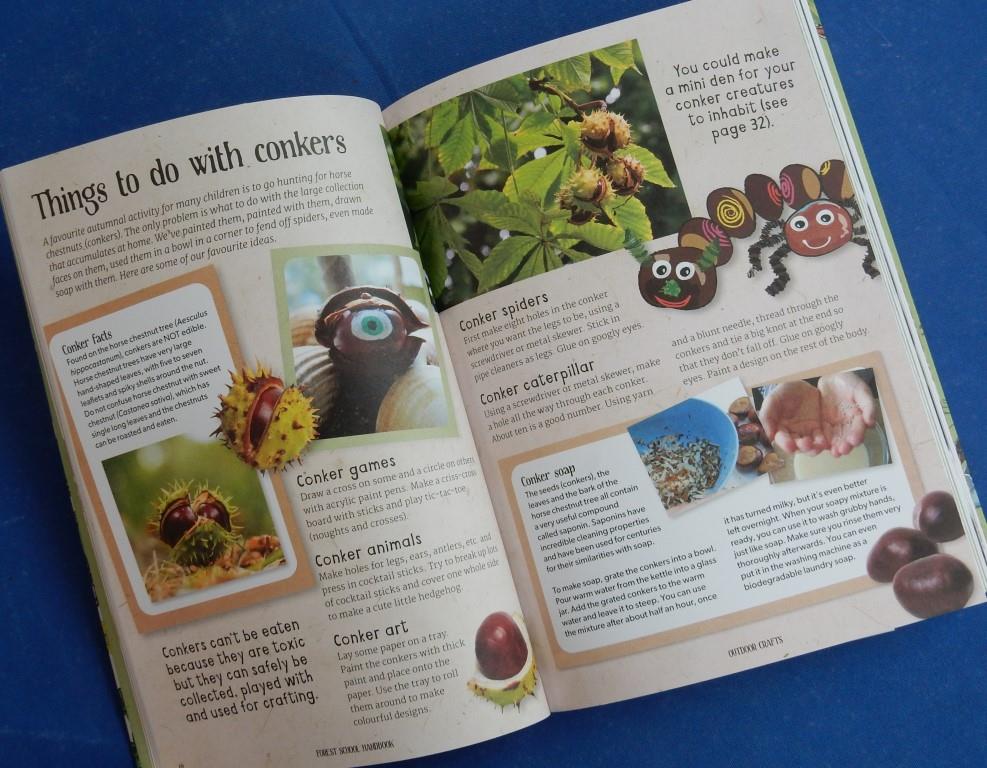
Every chapter includes colour photographs, contains useful links, a ‘top muddy tip’ and no activity is going to break the budget. Whatever the weather or season, whatever outdoor space you have, use it as your classroom and watch the learners thrive. I thoroughly recommend this book for any KS1 teacher, no matter your experience; Sarah’s passion will surely be your motivating guide.
 Red Reading Hub - Jillrbennett's Reviews of Children's Books