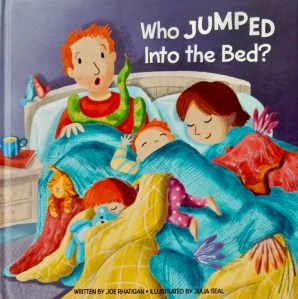
Who Jumped into the Bed?
Joe Rhatigan and Julia Seal
Sunbird Books
On Julia Seal’s serene wordless opening spread we see, side by side, two adults slumbering peacefully. Then first a small girl, then her brother, followed by a cat, a drooling dog, a slithering snake,
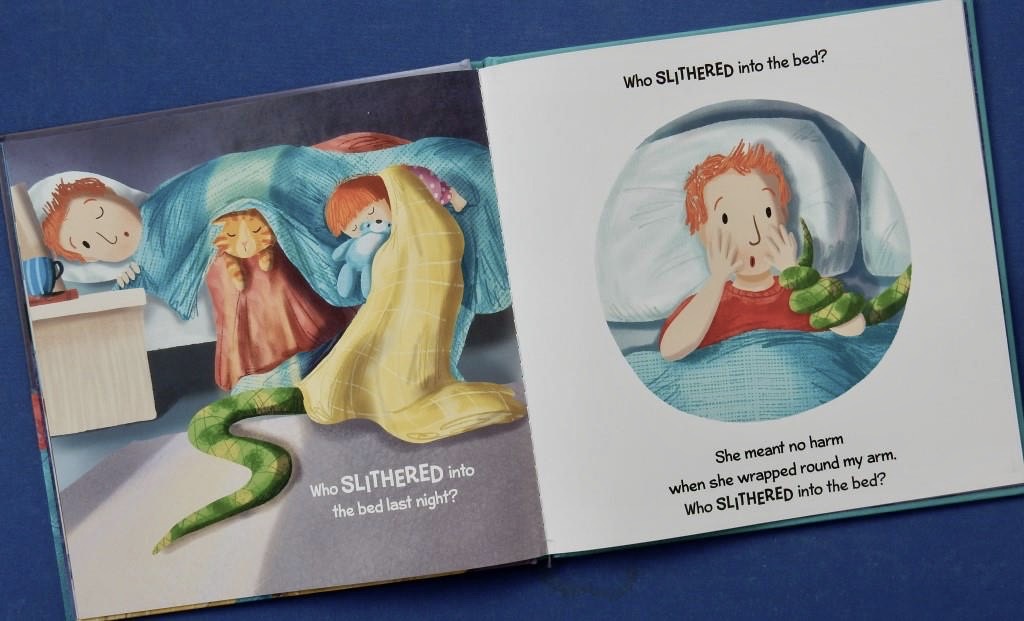
a host of feathered fliers and a creature with an extremely long neck all make their way into the sleeping accommodation designed for two. Finally, bump! Out falls Dad and with bleary eyes makes his way to the kitchen where he sets to work preparing a delicious-looking breakfast. Guess what: when the hoards hear that this is on offer, every single one – be they bed jumper, snucker, wanderer, bounder, slitherer, flier or neck stretcher want to partake of the feast there and then.
I’m sure many parents will recognise at least the child invasion, in Joe Rhatigan’s rhyming narrative whereas young listeners will delight in joining in with the ‘Who —- into the bed? and be amused at the growing number of intruders that so innocently worm their way under the covers.
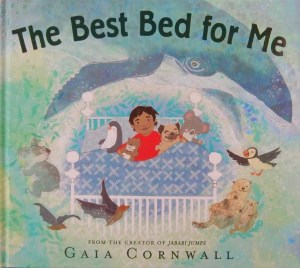
The Best Bed for Me
Gaia Cornwall
Walker Books
It’s bedtime for Sweet Pea – so says mama – but seemingly this little one wants to delay sleeping. Making imaginative demands of the animal kind – a koala high up in a tree, a puffin tucked into a burrow,
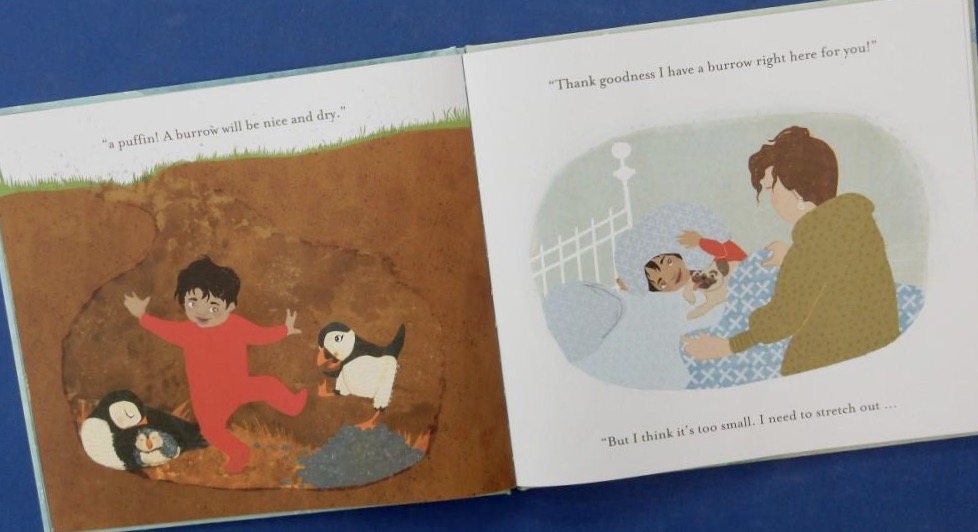
a bat that dangles from a branch for instance – the child attempts, in between Mama’s efforts with the bedcovers, to emulate the creatures named.
Having gone through a fair number of creature possibilities together with their ways of sleeping, Sweet Pea eventually comes to the conclusion that a “big-kid bed, with a soft pillow and a fluffy blanket … is the best bed for me.” At last it’s time to bid goodnight to a patient, understanding Mama and snuggle down for the night.
In her pencil and watercolour, digitally finished illustrations, Gaia Cornwall shows another female caregiver with a baby affectionately watching Sweet Pea’s stalling tactics.
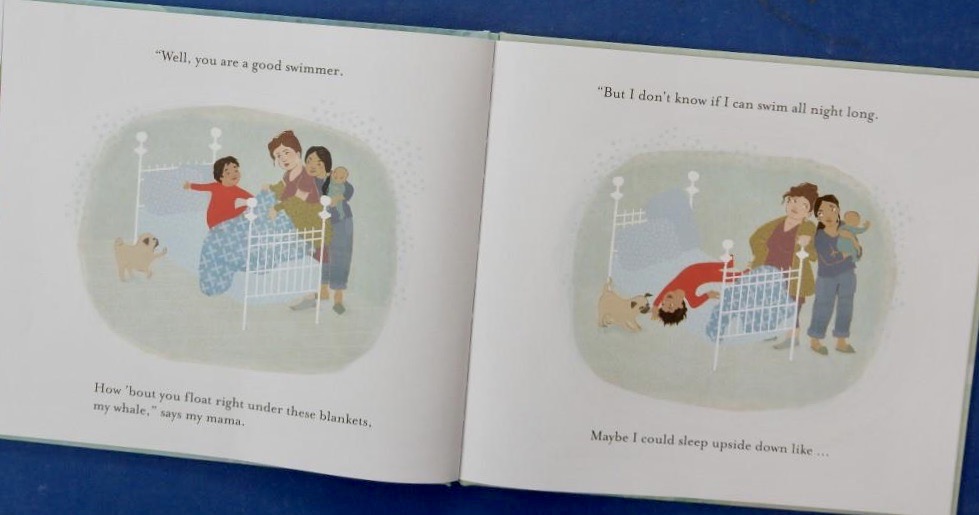
There’s a gentle soporific feel to both Gaia’s visuals and telling, along with gentle humour, making this a playful, tender bedtime tale with added animal antics.


 Red Reading Hub - Jillrbennett's Reviews of Children's Books