Time Travel is NOT My Superpower / The Appletree Animal Agency Collie Chaos

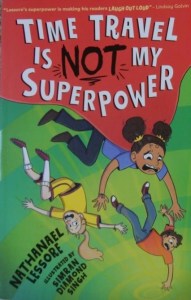
Sara, the young narrator of the second story set in the town of Walsham where special powers are part of everyday life, is working on improving her recently discovered superpower – teleporting. Thus far she is able to teleport herself but is unable to take any objects with her. However trouble starts when she accidentally teleports not only herself but her best friends, Georgie and Javier, as well as Jock her arch enemy, back in time to 2002. It’s crucial that they don’t interact with anybody, so nothing in the future is changed. However how is that possible when you find you’re at someone’s birthday party, a boy called Herman, someone that you don’t know. They eventually get away though, back to the present day, or is it? If it is, then why is Sara’s Mum wearing flip-flops and her Dad dressed in a parking warden’s uniform? They’re supposed to be superheroes. And as for being fed Brussels sprouts – don’t even mention the F__T word.

Something definitely is wrong, so how will Sara get herself and her companions in this muddle back into their proper universe.

With giggles aplenty both verbal and visual, this will go down well with KS2 readers who enjoy crazy adventures.

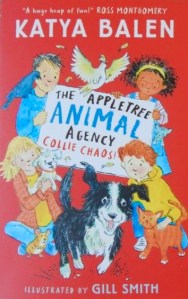
It’s winter and we’re back in the village of Mossdale where Appletree Agency have three new clients on their list – Algernon, a ten year old terrapin, Crumpet, a cat that’s something of a diva, and Domino, a dog with three legs. Domino is allocated to Mrs MacDonald but it’s not long before he escapes. The team load up with pet supplies, a compass, snacks and other useful equipment and off they set into the snow: Appletree Agency on the case.

They decide to follow a trail of threepaw prints and thanks to Luca, eventually track Domino down in a field belonging to the curmudgeonly farmer they’d already had a run it with. The dog makes it clear that the children should follow him and he leads them to discover a boy they’d seen earlier but now he’s injured.

Eventually having taken him to safety, the Appletree team learn that the boy, Finn, is staying with his grandpa, the very farmer they’d upset. Moreover he’s an animal lover. Finn was eager for a pet of his own and with Domino forming a bond with him it felt almost like he had one. Then the Appletree Agency members have an idea, an idea that will make everybody happy. But that’s not quite the end of this story …

A wonderfully heart-warming adventure that is perfect for pet lovers who like a touch of humour as well as passion in their stories.

Wild

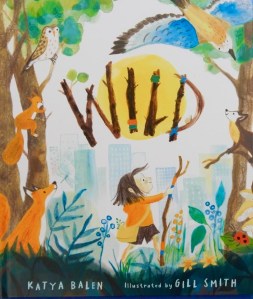
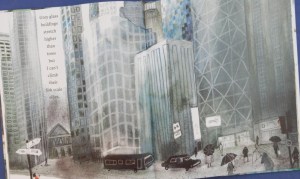
A child with a great affinity for the countryside moves to live in the city. Replacing the wildness, especially the bird with blue wings that sings and the earth full of stories, are grey glass buildings with ‘their fish scale sides’ that cannot be climbed, pavements that cannot show their secrets and skies without any visible stars. The city is lonely, so too is the young narrator who tells readers, “I’ve lost my wild.’

Somehow though, in response to a plea for help in this grey wilderness, the bird with blue wings appears in the dark sky calling to the child. Swooping and looping, the bird leads the protagonist through the crowded city streets to a river. a river that ‘rolls and twists and shows me the secrets hidden under its tongue.’ This is a place where herons wait to catch silvery fish and there’s an abundance of other birds.

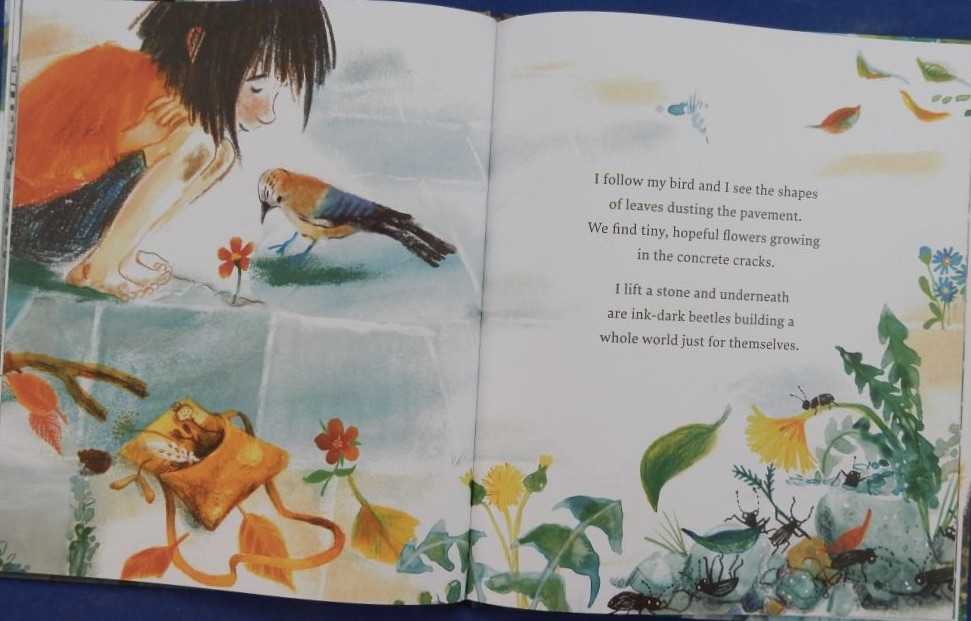
The child carries on following the lead of the blue-winged bird and they find leaves, wild flowers and insects.

In a little forest place, the child climbs a tree and can hardly believe the abundance of wild life -: ‘A burst of parakeets colour the air green’ and then as day turns to night a fox appears and stars light up the sky. Now the child realises that there is wildness everywhere’.It’s both within and all around.

Katya Balen’s poetic narrative reads aloud well and accompanied by Gill Smith’s mixed-media scenes of the contrasting grey cityscape and the vitality of the wild places will, one hopes, encourage children to look for and appreciate their own wild areas.

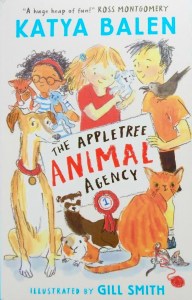
The AppleTree Animal Agency

Mattie loves animals and watches those that come to her garden in the evenings, pretending that Quilla the hedgehog, Bertie the bat and Marmalade the fox are her pets. Seemingly everybody in her class at Mossdale Primary School owns a pet and Mattie desperately wants a puppy but despite frequently asking her dad, he insists they don’t have time to look after one.

One night as Mattie stands watching her animal friends she sees a shooting star and makes a wish on it. Almost immediately through her binoculars, she glimpses a scruffy pup moving unsteadily as though hurt, but when she ventures outside to look, there’s no sign of it.

Next day when Mattie’s walking with her best friend, Zoe, and talking about the puppy, Zoe’s own puppy runs off only to lead them to the injured pup from the previous night. Off they head to the vets but find the place in a chaotic state.

A boy introducing himself as Caspar tells the girls his vet mum and he are staying for the summer while the regular vet goes to visit his poorly mum. The three children sort out the chaos while the vet tends to the injured paw. A couple of hours later everything is back as it should be to Dr Polly’s delight and she calls the three her apprentice vets.

So begins Mattie’s volunteering stint at the vet’s surgery – seemingly her dream is beginning to come true, but Luna as she’s now called, still isn’t hers. Then comes the incident of the runaway ferret: it ends happily and sparks Mattie’s brainwave – a pet-matching service at the village fete.. Zoe and Caspar love the idea and the three start working on it the following morning. Come fete day the service is a great success: is it just possible that all the animals will find suitable homes with responsible owners? Even Mattie’s beloved Luna? …

And so Appletree Animal Agency is formed.

Katya Balen’s feeling-centred story is thoroughly enjoyable and will captivate younger readers especially animal lovers. The friendship, determination and teamwork of the child characters is terrific and a great example to her audience.

A Way to the Stars

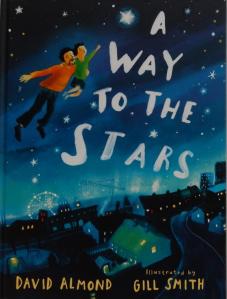
Young Joe wants to find a way to the stars but when he tells his friends they just laugh at him. Not so his Dad though: noticing the responses from those friends, he intervenes offering help.

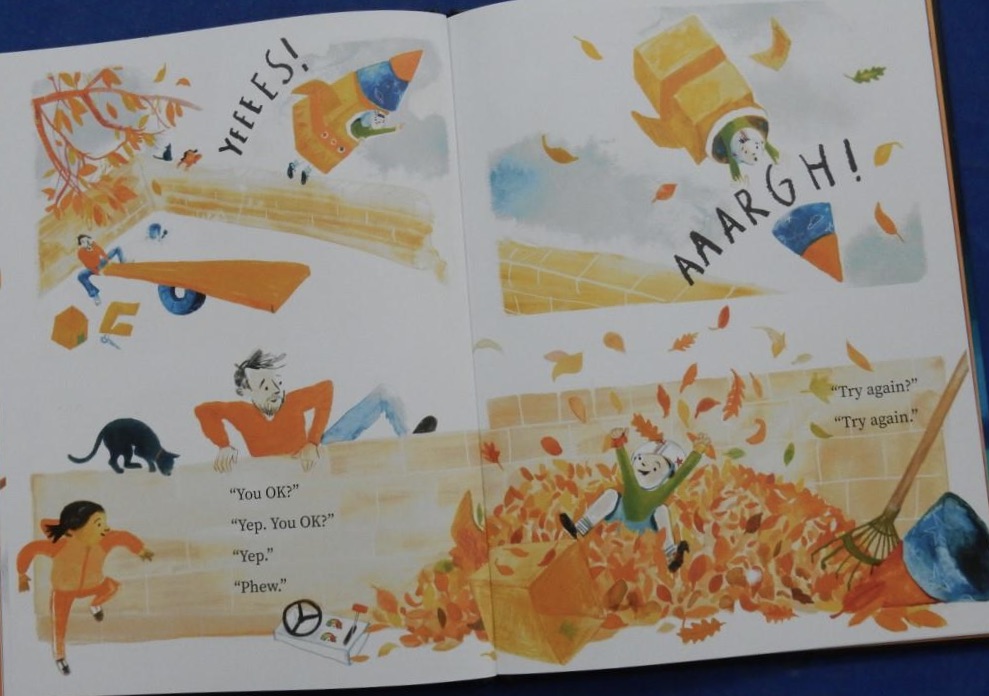
Together they try all manner of ways to reach the stars, some pretty risky, but with his supportive parent always there to catch him, no harm comes to Joe. Instead they have lots of fun being inventive as they try constructing among other ideas, a tower to climb, building a rocket and fashioning a seesaw.


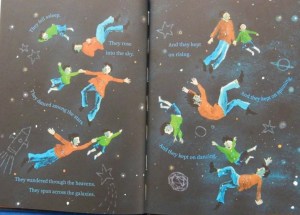
Refusing to give up – “in your dreams” Joe says as they laugh over their efforts – father and son build a shed, paint the inside with a gorgeous skyscape and fall fast asleep. We share in their thrilling dream as they rise skywards and “danced among the stars … wandered through the heavens,. They spun across the galaxies … and they kept on dancing.” …

All the way to the stars.


I love the way in which Gill Smith’s colour palette moves from the warm autumnal hues of the opening spreads to the midnight blues of the skyscapes towards the end of the story. A truly uplifting tale of resilience from the minute we meet Joe in his bedroom with its planet mobiles and other evidence of his passion and his ambitions.

Saving the Butterfly

Saving the Butterfly
Helen Cooper and Gill Smith
Walker Books

This is a timely and very moving story about trauma, the way different people respond to it, empathy and the possibility of recovery.

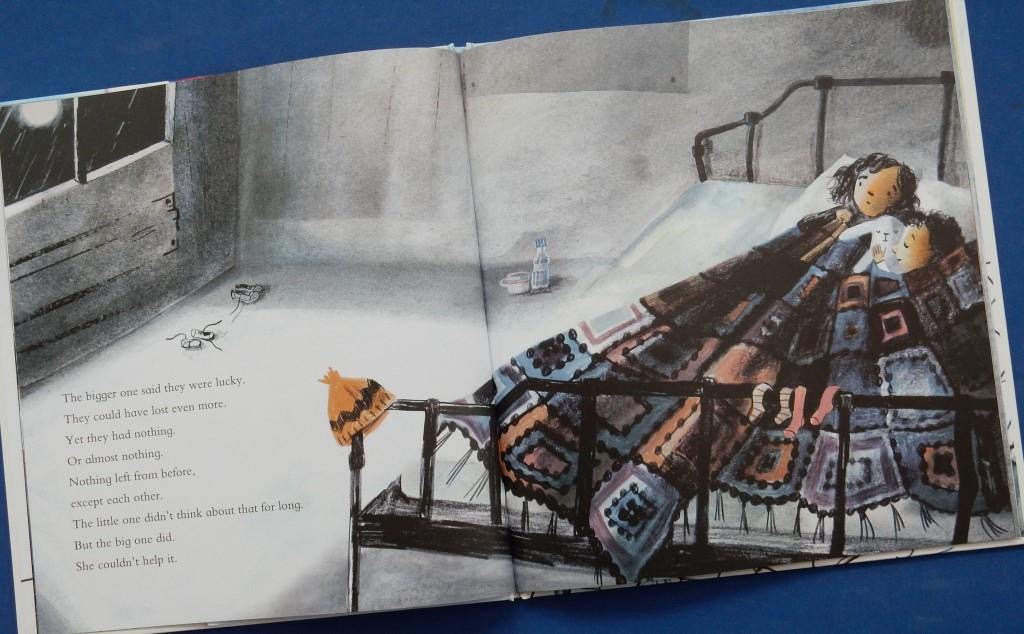
Two children, a big sister and her small brother are rescued from a boat adrift on the dark sea; they’ve lost everything. The younger one remembers little of his ordeal whereas his sister appears more resourceful, talking to rescuers and being instrumental in finding them shelter in a broken house.

However, while she remains inside dwelling on what’s gone before, her little brother ventures outdoors and begins to make friends.

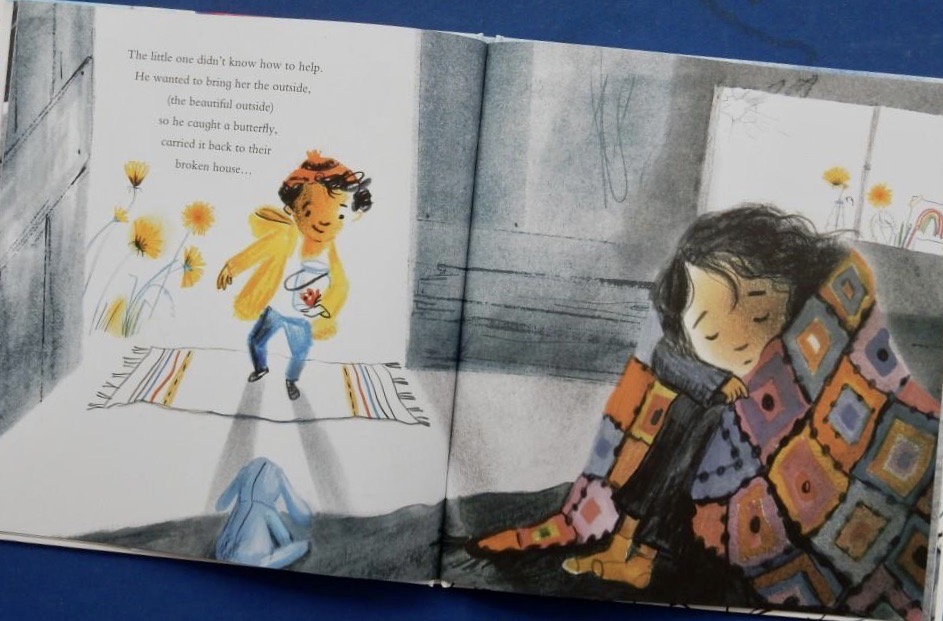
Feeling greatly concerned about what to do to help shift that ‘dark in her mind’ the boy, keen to coax his sister outside, catches a beautiful butterfly and brings in back to their refuge.

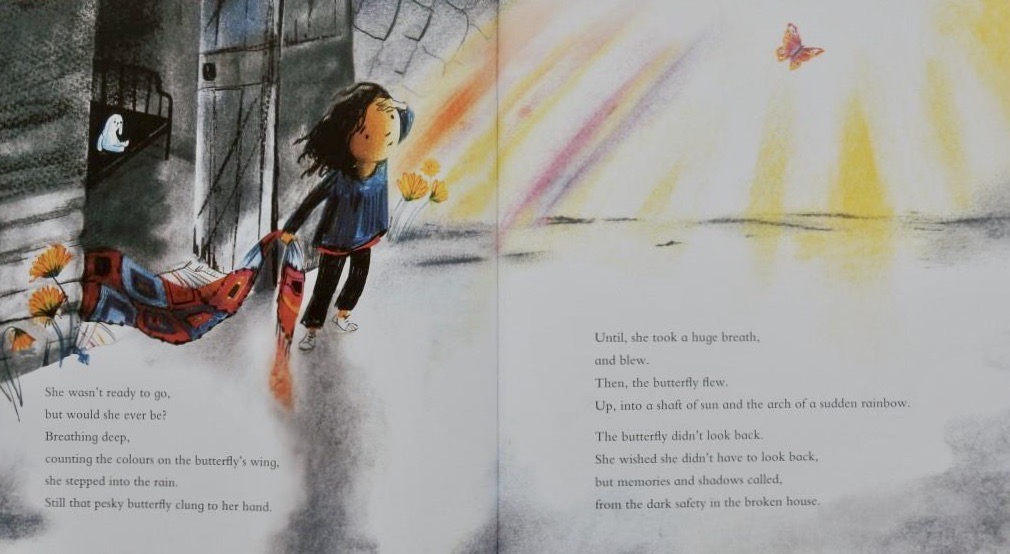
The girl upsets him by telling him to release the tiny thing that begins hitting its wings against the walls. It needs space and it needs time, she tells the boy. The boy goes out again; his sister counts the colours of the butterfly’s wings to calm her breathing. Eventually the girl opens the door; the butterfly settles on her hand. She steps out and blows the tiny thing. Can she now find the courage to follow the butterfly as it takes flight towards the sun where it belongs?

Helen Cooper’s heartfelt telling shows how, in their own ways, the siblings help one another to begin to move forward after such a life-changing ordeal. To me the blackness of the sea at the start represents their loss and the butterfly symbolises transcendence of that dark fearful state. Equally poignant, Gill Smith’s stunningly beautiful illustrations perfectly capture the feelings of the siblings in those early stages of rebuilding their lives.

Every primary school classroom needs a copy of this one.