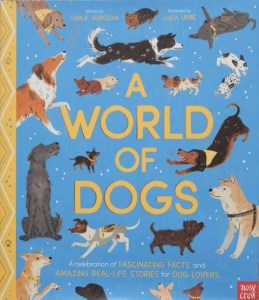
A World of Dogs
Carlie Sorosiak and Luis Uribe
Nosy Crow
Since being attacked by an Alsatian as a five year old in the park, I have suffered from cynophobia and so I thought it best to ask a relation, ten year old Leo, who is a dog lover and owner, to read this book, which is packed with fascinating facts, historical information and real-life stories, and tell me what he thought. He absolutely loved it and has read it several times.
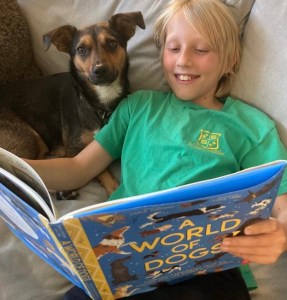
“My favourite parts of the book are the section about different breeds of dogs – I never knew there were so many” … “and I really enjoyed the pages telling of dogs in the war. I especially liked finding out that they could win medals for military service.”
Beautifully presented and illustrated, this is an excellent book to include in a school topic on pets, as well as a great book to give to a dog lover.

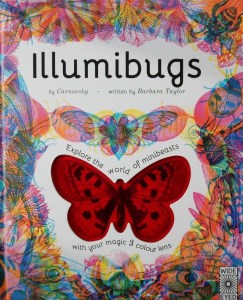
Illuminoceans
Carnovsky and Barbara Taylor
Wide Eyed
Using art from the same design duo as previous titles such as Illuminature, author Barbara Taylor takes readers deep into the world’s oceans. In order, we visit the Arctic Ocean – the smallest, shallowest and coldest, followed by the Pacific Ocean with its Great Barrier Reef. The saltiest ocean, the Atlantic, the home to the largest number of different fish species, is the next stop, after which comes the Mediterranean Sea with its blue sparkling waters but large amount of pollution.
The Indian Ocean is the third largest and warmest ocean. Sadly its increasing warmth and low oxygen content mean that the growth of plankton – the beginning of most ocean food chains – is limited and of course this has a negative affect on the variety of other species that can thrive in its waters. Nevertheless it’s home to a wealth of rare species and humpback whales use the western part as a breeding area. (All this information is given on each ocean’s first spread via an introductory paragraph and a box containing statistics.) The Southern Ocean, surrounding Antarctica, the youngest and second smallest ocean, is the final ocean we visit.
The concluding sections explore the ocean depths, the shallow seas and takes a look at oceans in prehistoric times.
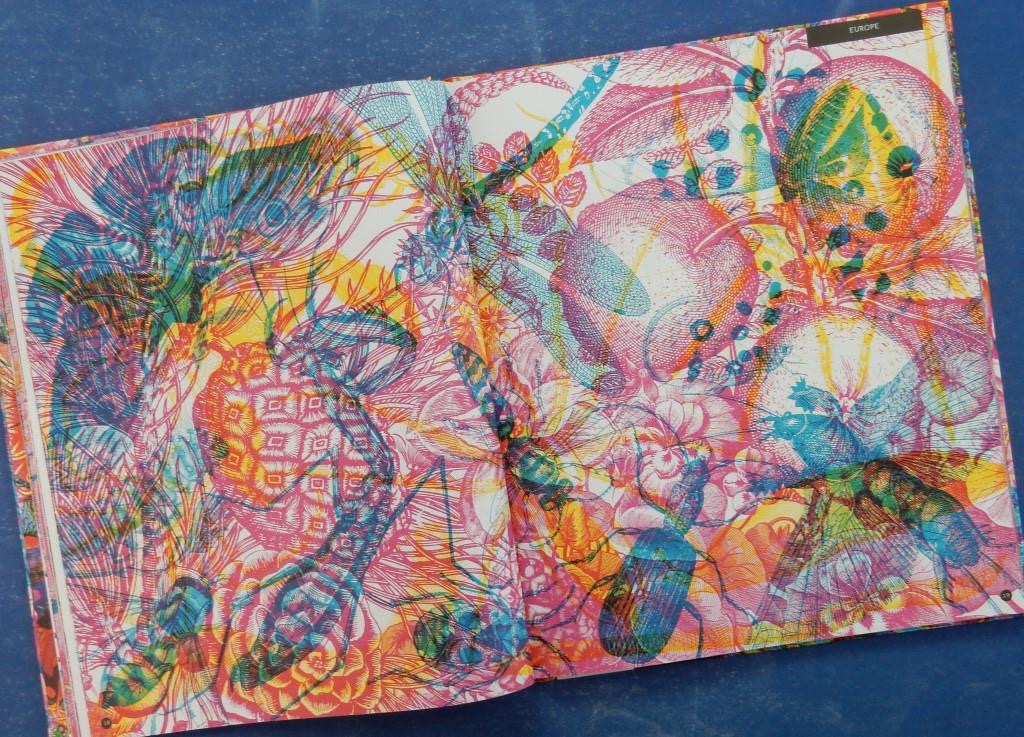
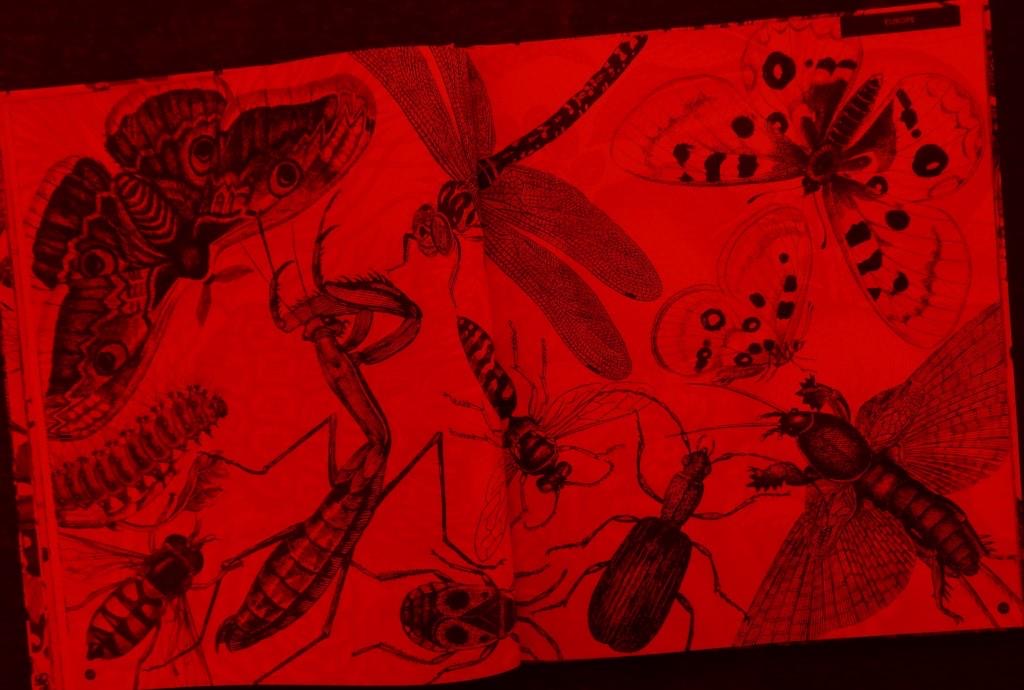
The other clever feature of the book is the way colour is used together with a three colour lens (found inside the from cover). Using the red lens, on the next (wordless) spread you see fishes native to the ocean, the green lens highlights the habitat, and the blue shows other ocean creatures. Following this, using only black and white, is a double spread for each ocean giving information about the fishes on the verso and on the recto, information about the other ocean creatures.

On the final page is a QR code, which when scanned, allows the reader to use a smart phone as a three-colour lens.
Engagingly written and cleverly crafted, this is yet another immersive look at the natural world,















 Red Reading Hub - Jillrbennett's Reviews of Children's Books