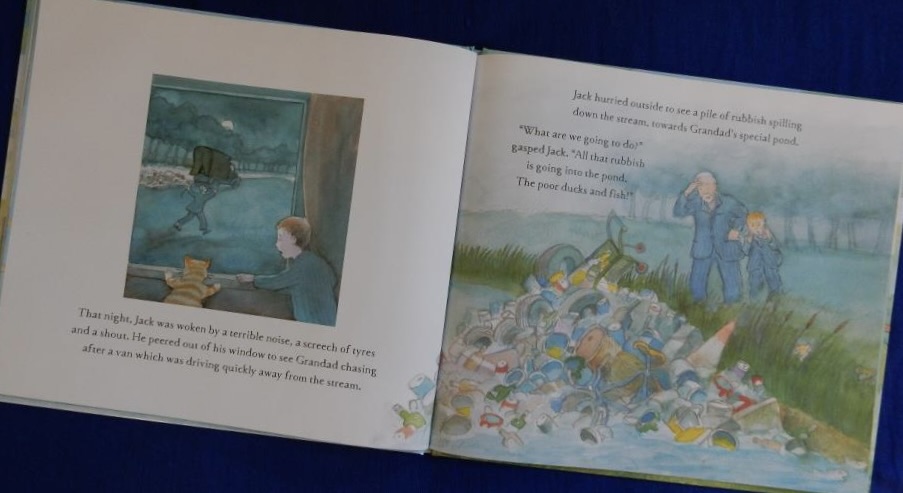
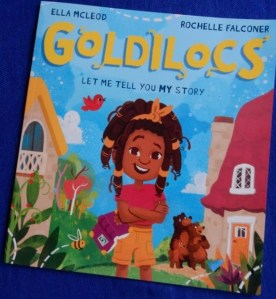
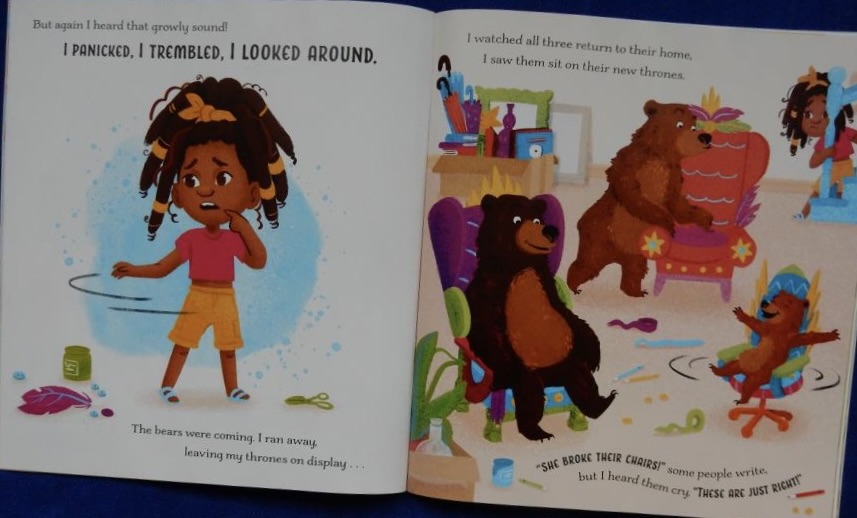
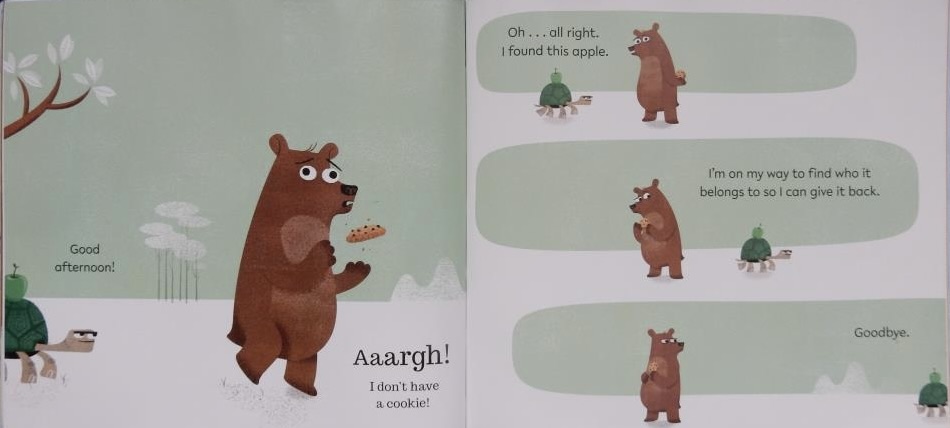
The Last Resort

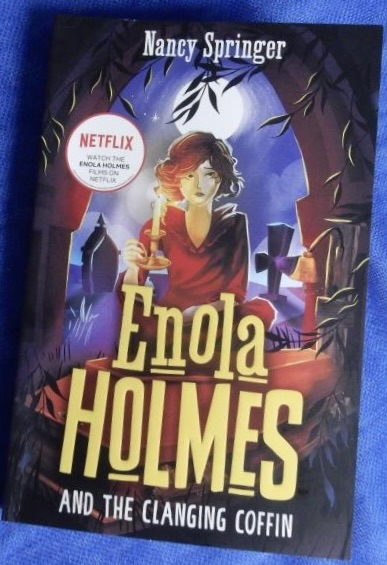
It’s the start of the summer break. Lila Clement goes into one of her panics when she’s told she and her brother, Caleb, have to accompany her parents on a long drive to Ohio for a fortnight’s stay for her paternal grandfather’s funeral. She’s never even met this grandfather, so why bother. They’ll stay for a while in the creepy old Victorian Castle Hill Inn that Grandpa Clement owned. Moreover her two best friends seem to have become rather distant and she’d far rather remain in her home town and try to work things out. Instead it’s her grandfather’s affairs that have to be sorted out. He was an eccentric by all accounts.
Her grandfather’s neighbour is Teddy who was close to him and when she’s sure she’s seen Grandpa Clement’s ghost who said he was murdered and in need of her help. Lila tells the boy. He in turn reveals that on the fourth floor of Castle Hill Inn is a portal through which spirits of the dead pass to the afterlife. Lila, Teddy and Caleb are determined to solve the mystery of Grandpa’s murder; in so doing they find themselves involved with victims of a tragedy from over a century and a half ago.

A book with some really creepy scenes with ghosts after revenge as well as malevolent forces that prey on the children’s fear. Older readers will be gripped by this pacy spectral story.

I Definitely Don’t Like the Dark

The two delightful squirrel best friends, Hank and Hoog, return in another of the I Definitely Don’t Like stories.

After an enjoyable day together, as the sun sets the friends start to head for home when Hoog remarks on the long length of his shadow. Hank speeds up eager to get home before dark. “I d… don’t like the d… dark,” he whispers to his pal. An understanding Hoog offers to accompany him all the way back but as the sun disappears completely, Hank is alarmed by noises, noises made by other creatures

and the creaking of a tree. Once all is quiet, Hank starts worrying again, this time about what could be hiding, waiting in the dark.

After some reassurance from Hoog, they continue their way, Hank still not fully sure about the surrounding darkness. However Hoog still has something tucked in his fur to share with him. Together they sit on a branch gazing at the stars shining bright all around them and a realisation comes to Hank: ‘… despite having fear, with a good friend … there will always be light in the darkness.’

Fiona’s reassuring story is perfect to share with young children who, like Hank , are scared of the dark. Christine Pym uses a variety of viewpoints from which to present the events and this further adds to the power of the telling.

Skulkmoor / Royal Institute of Magic: Elizabeth’s Legacy

Time was, the great house of Skulkmoor stood proudly on a hillside capturing the attention of all who passed by. Nowadays, it’s a peculiar puzzle of a place, in part on account of a huge wall that cuts the place in half and separates the two opposing families that live within. This is because many years ago, the Fox family was torn apart by an incident dubbed as murder, and a dispute about inheritance: without an obvious heir, the huge family fortune – and the house – has been divided into two. Now though, two young cousins, Iris and Ted, one from each of the rival sides, are pitted against one another, racing to solve the historic crime or face losing their home forever.
Can Iris and Ted set aside their differences and save that family fortune, if not they will in part be responsible for destroying everything.

Infused with humour, this richly detailed, compelling gothic mystery with two memorable protagonists – we see things alternately from each one’s perspective – will keep readers on edge hoping for an amicable solution to the deeds of the past.

It’s two years since Ben Greenwood’s parents disappeared but he knows they are still alive and despite everybody else having given up hope, he is determined to find out what happened to the couple who are supposedly, environmentalists.

One day he comes upon a letter he’s not seen before and wonders whether this and the piece of cloth with it could help him solve the mystery. The letter is from an organisation called the Royal Institute of Magic and is dated a day before his parents disappeared. Like most people, fourteen-year-old Ben knows nothing about what the Royal Institute of Magic is, but he has his first clue – the logo on the letter.
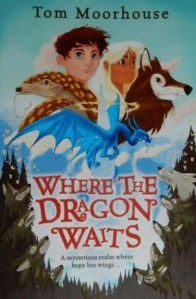
So he and his close friend, Charlie, set out to find this Institute. Charlie and Natalie are an excellent combination of bravery, instinct and knowledge, qualities that will be vital to Ben’s quest. They are joined by a young girl, Natalie, who is with the Institute and is charged with watching out for both of them. Having avoided the Wardens they find themselves in the wood elves’ forest and Natalie becomes separated from the others.
Eventually Ben and Charlie arrive at the Floating Prison where beheadings will take place unless …
With lots of twists and turns, this intriguing fantasy quest will appeal to older readers who like discovering new worlds with magical happenings.

The Skeleton Puzzle / A Stocking Full of Spies

The young detectives of Chestnut Close – Matthew, Melody and Jake – return to try and solve another mystery. A skeleton is discovered buried in the garden of their neighbour, Old Nina and the three are determined to find out who it is, how it got there and who was responsible. Jake has also found what looks like a wedding ring.

Then Nina’s long-lost son turns up, with a young son of his own. The boy is obsessed with a shape-shifting puzzle that he manipulates all the time. Are the two really who they claim to be? The three friends are suspicious and think they could well be imposters. The deeper they dig, the more they suspect the father, who calls himself Michael, almost certainly is.

Meanwhile Jake is struggling at home with his sick mother and is trying to keep this to himself; and Matthew is acting somewhat mysteriously.

With priceless jewels possibly hidden somewhere on the Close, this twisting-turning mystery will keep you on tenterhooks, right through to the final page, which sets things up for the next in the series.

It’s almost Christmas in 1941 and a bomb has fallen on Deepen School for Girls : May and Nuala have been removed from the chaos there and sent to join May’s and Eric’s elder sister, Hazel Wong, who is working at Bletchley Park. Almost immediately they find themselves working on their most dangerous case thus far. One of the codebreakers has been shot and in his pocket is discovered a top-secret message.

Was he in fact a spy, was the message planted on him; was this just a tragic accident or murder?: Whatever it was Daisy’s brother, Bertie has been blamed; even Bertie himself is unsure whether he was actually responsible for the death. Hazel and Daisy set Nuala, May and Eric the task of finding out what actually did happen and thus proving Bertie’s innocence. The three of them are acting as messengers between the huts but Bletchley Park is a secretive place wherein a number of Britain’s most brilliant minds are at work, they will have to listen, watch and they hope, unearth the truth. They are very different characters: May is impulsive and Nuala and Eric more considered in their actions, so they’re an interesting team.

Then a second murder takes place – are they linked? Was it the same murderer again? What a challenge the three face.

A clever cracker of a story for confident readers from Y4 onwards: it works was a standalone but it would be better to read the previous two books first.
(In her author’s note, Robin Stevens suggests that many of the Bletchley Park staff were neurodivergent though in the story we’re never told if this applies to any of the characters featured.)

The Muddy Puddle KS1 Teacher

Brimming over with outdoor activities, this handbook is based on the Muddy Puddle Teacher Approach and follows the Three Muddy M’s – mother nature, mental health and movement, and includes activities for every season. As Sarah Seaman says in her introduction, ‘My work and this book, is about more than outdoor learning. it is about inclusion, confidence and self-esteem.’ – three elements that should be at the heart of any learning establishment.

Muddy Puddle teaching is presented in eighteen succinct chapters starting with safety, then planning and assessment, followed by supporting neurodivergent and SEND children, before moving on to areas of the curriculum. It’s great to see that chapters include group activities. You’ll find lots of cross curricular ideas and suggestions for using very basic equipment creatively. Many activities are differentiated and whether you wish to develop a child’s fine motor or gross motor skills, you’ll find ideas.

Every chapter includes colour photographs, contains useful links, a ‘top muddy tip’ and no activity is going to break the budget. Whatever the weather or season, whatever outdoor space you have, use it as your classroom and watch the learners thrive. I thoroughly recommend this book for any KS1 teacher, no matter your experience; Sarah’s passion will surely be your motivating guide.

No Refuge

Following straight on from No Country, the situation for the escaping children of the family is dire and having put their trust in the rogues with illegal boats, they huddle together in a very flimsy powered dinghy.

We’re shown in flashback their terrible, scary journey across open country with Hannah in charge, dragging her siblings Bea and little Dom for days. They’re unaware that both Free Kingdom and New Army are searching for them, Bea insists on leaving dangerous, revealing pictorial messages for their Dad, whom she’s certain is following them. She also pushes Hannah to allow a large dog to join them; wise yes but also devastating.

Starving, freezing cold, constantly anxious and hunted, they suffer horrendously, eventually being forced, when Dom is overcome by exhaustion and fever, to give themselves up and find medical help.
Their initial relief and gratefulness then turn to fury and panic as little Dom ‘disappears’ and they have to escape from the harsh girls’ boarding establishment to search for him.

Their quest leads them to the capital, a place where the privileged have created a calm oasis away from the rest of the country and its troubles. Undaunted, the girls are ready to face any risk; they make some unlikely allies including a people trafficker and never give up until something seemingly miraculous takes place.

An absolutely compelling, moving graphic novel wherein Patrice Aggs and Joe Brady explore the on-going real-world refugee crisis using the UK as its setting rather than numerous other countries such as Ukraine, Afghanistan and south Sudan. Highly recommended for upper KS2/KS3 readers.

Brown Girl in the Snow

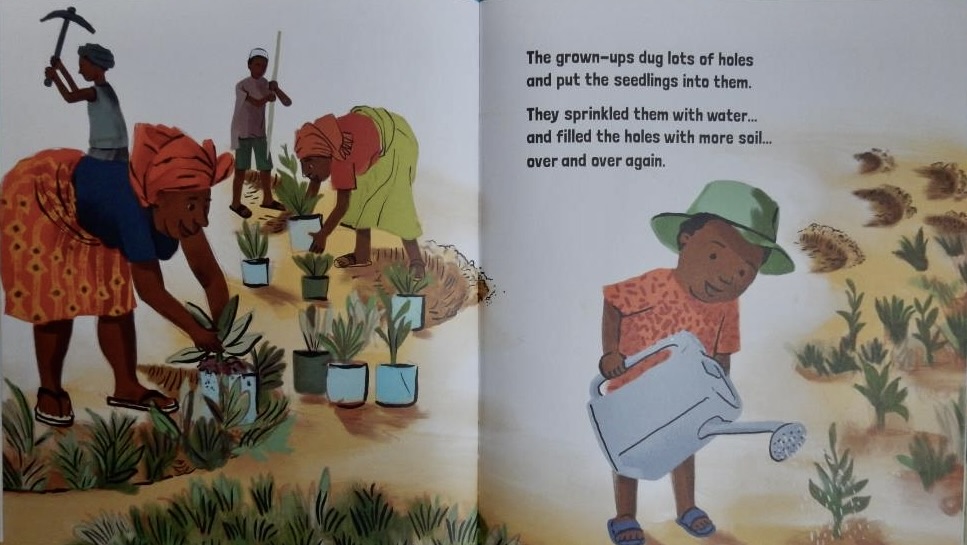
Amina, the narrator of the story has recently moved from the Caribbean where she was able to grown all kinds of plants, to a snowy city in a new country, and she’s not happy.

“There’s a brown girl in the
Tra la la la la,
where none of her plants will grow”


She sings as she watches the other children playing, then asks her elder brother how she can grown her garden in such an environment. He suggests she should wait for the spring to come. Hearing her song, her dad takes her to the library where she discovers a book about gardens. This cheers her somewhat and the following day her teacher asks why she’s not out playing with the other children. Having heard how Amina misses growing plants, she has an idea:

she sets up a class field trip to a greenhouse. When her classmates her about this, some of them start talking about the plants they are missing from their home countries such as The Republic of Congo and India. They also ask Amina to join them in their play outside next time. The weeks pass and at last it’s the field trip. Amina is a bit disappointed that she doesn’t see sweet potatoes growing in the greenhouse though there are lots of other tropical plants; nonetheless the trip is a success. Particularly when Mr Lokon discovers that she was hoping to find sweet potatoes and gives her some slips to plant.

He also invites her and her new friends to return and watch their growth. This they do though it takes a long time and in the meantime, Amina becomes much more positive about her new home.

The refrain, “There’s a brown girl …” is repeated several times throughout the story, with different ending lines as events progress and young listeners will enjoy joining in each time. Aptly Marianne Ferrer’s stylised watercolour depictions of the plants and some clothing items are in various green hues, with a dark magenta for Amina’s sweet potatoes.

The author draws on her own experience for this story: it’s ideal for children who are moving to a different climate and those who feel homesick for a previous country as well as for a KS1 topic related to growing plants.

The Mushroom of Doom

This story begins with a horrified-looking button mushroom hurtling down into a blender whirring on a work surface: certain death looks more than likely.
Prior to that said Mushroom was an optimistic fungus anticipating becoming the star ingredient on the evening’s pizza. That’s not what happens however: Pineapple is chosen for the topping not Mushroom, after which the day gets progressively worse. Milk accidentally spills all over him and his best trainers;

then down comes a big boot – somebody has stepped on him. After all this our protagonist is unceremoniously dumped into the compost bin where a closer look reveals hundreds of other mushrooms.

Time for revenge: designating himself the Mushroom of Doom, he assembles a mushroom army to take revenge – little do they know what they’re in for under the tyrannical leader that even refuses them any water.

But a dehydrated army is unable to fight at all. Worse is to follow for the Mushroom but just when it seems the end is nigh an erstwhile fridge sharer steps in and .… Surely now our Mushroom narrator will finally become a reformed character. Errr!

Thomas Elliott’s dramatic illustrations work superbly with Becky Davies’ pun-laden text in this anarchic story, the ending of which may come as a surprise.

Dead Yard : Seeds of Doom / How to Survive a Horror Sequel

These are both new titles from Little Tiger – thank you to the publisher for sending them for review.

P.J.Kilburn’s debut novel celebrates Caribbean culture and folklore.

Jermaine’s wish is to be a movie director and he’s spending the Easter holidays shooting an entry for a junior film making competition. However he has to attend his great great uncle’s Dead Yard (a service for the deceased lasting all night) and he’s instructed not to eat any of the food until after midnight. But the sight of a plate of delicious- looking patties proves irresistible and chomp! he starts biting into one. A big mistake.

Suddenly he’s in his own horrific adventure bound-up with Uncle Carl’s ghost and boy, is he bad-tempered. Moreover, there’s a malevolent-looking man searching for a bag of cursed cassava seeds and an outbreak of an epidemic that makes the local children dangerously ill. All that plus the unanticipated arrival to of a woman claiming to be an old flame of Carl’s.

Can Jermaine possibly work with his uncle Carl, sort out this complex chaotic situation and save those they care about, before it’s too late?

Imbued with humour and creepiness, this fun, shortish horror mystery, is set not in the Caribbean but in a modern day London’s Shepherd’s Bush community. Taste it and see …

More creepiness in:

This sequel to How to Survive a Horror Movie begins towards the end of October with protagonist Charley trying to rebuild her life after attempts to kill her at her boarding school. As the story opens Charley is with her mother who is driving the car northwards through the darkness of the Scottish countryside to the town where they hope to make a new start. When they stop for petrol and some supplies, Charley is certain she sees a ghost nearby though she doesn’t say anything. But then the car stops and won’t restart alongside a road sign telling them they have reached Glendale, (a village also known as the Devil’s Punchbowl) and they have to go back to the garage on foot to seek help. The bad news is that the car will take some considerable time to mend, the good news is that someone offers them a temporary dwelling – a run-down, rather creepy house.

Charley has little choice but to stay and she begins investigating her new environment. Soon she becomes aware of both ghosts and disappearances. It transpires that Glendale has a long-standing association with witches, but worse than that Charley convinces herself that the Harrogate Killer is on her trail. As Halloween draws ever closer, she’s determined to discover just what is happening at Glendale.

Can she possibly do so when she’s not sure who among its residents an be trusted. Full of horror movie tropes, some new characters to enjoy, and imbued with a dry wit, plus a dramatic finale, this will grip readers all the way to its final question.

Play and Learn with Board Books

This is a sturdily designed, wordless book with a cover that acts as a container for the free-standing pages that fold in and out accordion style and it’s intended to be used with a baby lying on its front.
There’s a mirror, followed by illustrations, mainly black and white with splashes of colour that show a wide variety of items such as geometric shapes, faces and animals. Little ones can develop their fine motor skills by tracing trails, as well as developing their language, especially if an older person is using the images as starting points for talk.

This is the fourth story in the interactive Busy Chores for Little Paws series.
Lion’s neighbour, Bear, is coming to pay him a visit so Lion decides some tidying up is required. There are art materials scattered on the rug that need to go back on the shelf, crockery in the sink waiting to be washed up and put away, a dirty worktop to wipe and floors in need of a run over with the vacuum cleaner. Lion, with the assistance of little humans who use the slippers, flaps and wheel, get the work done just before there comes a knock on the door. Hurrah! Lion can welcome his friend to a spotless home.
Ideal for developing fine motor skills and beginning sound/symbol awareness by joining in the splish splash … chink … spray… whoosh and knock! knock! sounds.
There’s more interactive fun in:

Tiger’s Last Roar

Mae and her pet cat Tiger are inseparable. When they’re together the garden becomes a vast jungle of which the two are queens, exploring and adventuring all day until the teatime call comes. Having dined together, they bath together, draw together and tell stories together.
However, Tiger is getting older and as summer turns to autumn, Tiger is tired and wants to spend more time sleeping instead of exploring. Then one day when the teatime call comes, she fails to return. Tiger has died and Mae is heartbroken. Unable to speak she lets out an almighty roar, then turning her back on the jungle she shuts herself away.

Her empathetic Mum gives her time and loving hugs, then gently suggests that talking about Tiger might help her cope. After a while, under Mum’s gentle guidance, the two of them tell stories of Tiger, Mae draws and they share memories of the beloved animal. Mae then starts to venture outside, albeit apprehensively, anxious that nothing will be the same without her pet. However, Mae discovers that Tiger has left paw-prints everywhere in the jungle and most importantly, in Mae’s own heart

and there they’ll remain for ever.

With Katie Cottle’s richly coloured illustrations, this powerfully moving story, full of warmth and tenderness shows just how big an impact the loss of a pet can have on a child, especially an only child. After the story, there’s a helpful spread that provides a space for children to use, should they too lose a much loved pet, as well as a page for adults on ‘supporting a child through the loss of a pet’.

Sinbin Island

Jack Winston Claremont Digby, Digs to his friends, has become an orphan and instead of being cared for as anticipated by family friend, Mrs O’Malley, he learns that he is to go to the Cyril Snigg’s Correctional Orphanage for Wayward Boys and Girls (Cowbag, so its pupils call it), said by some to have been founded by a pirate. Before going he is given an ancient magical Russian soldier nesting doll (handed down through generations of his family) and told to open it when the need arises.

On arriving at the school, the boy begins to make some new friends and they endeavour to avoid the attention of the bully, Lewis Seaforth. They also try to avoid accumulating high numbers of lashes: one hundred means a pupil will be sent to Sin Bin Island at the end of the year. Some so it’s said, have never returned, while some returners have never been the same since their ordeal.

Come the end of term it’s Digs, Amber, Cav and Noah who are to spend the week on Sin Bin Island.

The second part of the book is concerned with the four ‘Binners’ – a pretty smart lot it turns out – endeavouring to survive on the terrifying island. They find themselves facing some pretty hair-raising ordeals and risking life and limb, (those Russian dolls prove invaluable), some revelations are made and as the adventure draws to a close, it looks as though for Digs a great destiny awaits. First though there’s a second year at Cowbag to look forward to.

This is exceptional storytelling from Doug Naylor, fast paced, thrilling and with lashings of humour: a real treasure of a tale in more ways than one. Older KS2 readers and beyond will find it utterly compelling, assuredly this adult reviewer did.

Sharing & Caring – Stop That Squirrel! / A Dinosaur Lives In Our Shed

Scout the squirrel is an obsessive nut hunter and with autumn in the air she decides it’s time to prepare for winter. Off she goes, sack on her back, to collect as many nuts as possible.

Having filled her larder with her first haul, she sets out again, beating all the other creatures to each and every nut.

They decide to try and halt her greed so they put up a sign ‘STOP THAT SQUIRREL!’
When snow starts to fall, badger and the rest of the animals search desperately for nuts but to no avail.
Meanwhile Scout is busy baking and being delighted with her delicious-looking cake, she calls out, offering some to her friends. Suddenly she sees the sign and a horrible realisation dawns. Time to show the others what being a friend really means …

Lucy’s illustrations and Smriti’s rhyming tale show and the final line says, ‘… nuts taste the best when you share them around.’ That applies to so many other things too, something one hopes that young listeners will take from the book.

Supposing a little dinosaur unexpectedly followed you home from the park, what would you do? The children in this story fed him and put him in the shed overnight. Thereafter they gave him cuddles, read him stories

and took him on excursions to the seaside and into the woods.

Then one day the dinosaur gave an almighty ROOOOAAAAR!!! and became so sad he didn’t want to go out with the children. What could be wrong. they wondered and then light bulb moment: he was missing his mum. But where was she? The concerned humans put up posters around the locality – not lost ones but found. After waiting a day and a night the children heard noises outside, so they thought. Could it possibly be …
The following morning when they look in the shed, what do they discover …

Kaye Umansky’s rhyming text in combination with Pippa Curnick’s uproarious illustrations full of fun details make this a book that will amuse young children and adult sharers alike.

Children of the Throne

Three children are called from their tower block home to a hidden world beneath. They listen to a story of a tree-grown man explaining how things have changed, greatly endangering the world. It’s the hottest day of the year and already golden brown leaves are drifting down from the trees, the birds cannot find the food to fly and the worms can’t penetrate the surface of the baked-hard ground.

As they listen, they hear that the trees have been duped by the unseasonal heat and think it’s autumn. Meanwhile the grown-ups, delighted by the hot summer, are unconcerned and continue their polluting actions.

The wise tree-grown man puts a crown on each young narrator’s head, telling them “You have the magic now … to make this madness end.” Still though the adults ignore what they hear. Frustrated, using their magic and playing a ‘tune of change’, the three call forth the other children and they all work together,

watched by the amazed adults. Impressed by what they see, they wake up and start to play their part by replacing the burning fossil fuels with other means of generating power as well as trying to eliminate waste-producing systems. In this way, they hope the children’s future will be protected.

Jospeh’s powerfully moving and ultimately hopeful poetic narrative is complemented by Richard Johnson’s stunning luminescent scenes. Let’s hope that young readers/listeners will be inspired by the message that big changes start with small individual actions which can grow into community efforts.

It’s Really, Really Not Fair

Nothing in her life is fair according to Polly. She wants to fly like a pigeon, climb a mountain, dig her way to Australia and paint the house, but her Mum says no to them all. “It’s REALLY, REALLY NOT FAIR!” Polly shouts, stamping and stomping. Instead of all these outlandish ideas, Mum suggests her daughter should eat her fish fingers; but Polly has now decided that she hates them

and starts screaming very loudly. Finally she’s all screamed out and it’s then she hears a loud noise on the opposite side of the garden gate. It appears that the little boy next door is prone to screaming too. Shock horror.

Mum excuses his behaviour by saying it could be because he’s tired. This prompts Polly to feel tired too and look forward to tomorrow and some more crazy notions. Fortunately Mum is on hand to come up with an acceptable counter suggestion before Polly falls fast asleep.

Angie Morgan’s insightful story, which explores the idea of fairness with gentle humour, will resonate with parents and carers; young listeners will be introduced to the notion that not getting what you want doesn’t mean that it isn’t fair. Polly’s melodramatic behaviour is brilliantly portrayed as she learns that important life lesson.

Nora Nightsky

When I say Nora Nightsky is a star, I don’t mean a celebrity but an actual star in the sky. All her family members are part of the constellation Ursa Minor and they love to grant humans, wishes from afar. Not so Nora; all she wants to do is stay in the shadows: after all humans ought to solve their own problems.
However having received several letters from a girl named Olivia wishing for a pet, she decides to take action and sets out to Earth accompanied by Leap her best friend, a hare-shaped constellation, eventually crash-landing in a muddy field.

Her intention is to give Olivia a ‘piece of her mind’ but that’s not what happens. She does though have a plan to obtain a pet for the girl, destination the zoo where a surprise awaits and it’s not a good surprise. Nora’s time on Earth is limited though and she must return from whence she came before her stardust is all used up and her magic fades. Can she obtain the pet for Olivia or will she be stuck forever as a mortal on Earth?

Nora’s character is a delightful mix of rebelliousness and determination that results in her getting into some hugely funny situations with the cheery Olivia, making this a really fun story. It’s made even more so thanks to Becka Moor’s black-and-white illustrations that portray the protagonist brilliantly. Readers will assuredly have their fingers crossed that Nora achieves her goals and can appear in a new adventure soon.

The Other Side of the Rainbow

Like many young children, Lucien is very cautious about change. He worries about such things as trying new foods, the first day of school and making new friends.

One night a very strong wind blows open a window in his room extinguishing the flames in the fireplace. Having closed the window, he notices a glowing ember, a tiny spark that suddenly starts to move and change into something new. The flame introduces itself as Seraphin and asks Lucien if he’d like to accompany him to see the spring flowers. Somehow Lucien finds himself following him outside into the sparkling rain where there are small, friendly playful creatures. Seraphin draws the boy onwards showing him all the colours of a rainbow that they move across towards the summer. In fact during his day with Seraphin, Lucien journeys through all four seasons. He sings and dances in summer, on into autumn, the time of transformation – ‘ending and starting at the same time’.

Eventually as they sit together, the flame says, “It’s time for me to go now, Lucien.” Having explained that everything must change to make way for new adventures, Seraphin leaps into the sky for now his work is done – Lucien understands the vital need for change. Back home he goes with his memories, excited about new possibilities and new adventures.

Joyful and reassuring, this is a story to share with all young children, not just those scared of change. Beatrice Blue’s illustrations bubble over with magic and movement, almost overwhelming the senses.

The Floofs Brave the Wild / The Terrible Trio: The (Not-So) Superheroes

The Floofs return in three new stories wherein they venture into the wild. Challenges await.

In the first, Floof and the Avalanche, Dill persuades Teazle to step out of his comfort zone by leaving his volcano abode for a skiing holiday in the mountains. En route they meet Bean and Wizard who join them. and then on arrival at the cabin where they’ll be staying, they see a light on. Inside is Clementine sitting on a sofa drinking hot chocolate. (There’s a lot of hot chocolate in this story.) Some of the friends do go skiing, even having a race, when they encounter a monster and an avalanche starts. All ends happily though.

It’s ice-skates rather than skis that the Floofs try out in A Different Kind of Floof. Almost inevitably though, one of their number, Leaf, bumps down hard on the ice, falling through

and becoming frozen solid. Fortunately, Dill has something useful with her that she uses to melt the ice and release her friend. Leaf then spends some of the day in the Giant Forest comparing himself with the other Floofs and again all ends happily.

Floof and the Giant begins with Dill longing for a new adventure somewhere she’s never been before. Maybe a wave of Wizard’s wand will help them find a secret location. Secret it might be, but then a duck warns them of a giant … a hungry giant it turns out …

Just right for readers gaining confidence, especially those who like their stories presented comic style and sprinkled with humour and magic.

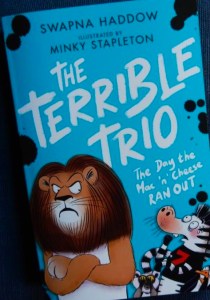
The terrible trio comprises Margarine the Penguin, Zeb the Zebra and Barry the Lemur. We meet them as they stand in line eagerly waiting to reach the front as it’s the day when a superpower will be bestowed on each and every animal. The line is a very, very long one and is moving very slowly so there’s plenty of time for them to ponder upon the power they’ll be given. Zeb wonders about speed, strength or the ability to see the future. When the buffalo bum in front of them eventually moves off, he’s let’s say, disappointed to hear from the Ministry Superpower Manager that he’s “all out of powers”. However they manage to persuade the power giver-outer squirrel that they must take priority over his favourite tv show and finally Penguin receives ‘the power to make mac, n’cheese’, Barry receives the power of nice handwriting, but what about Zeb. To him, his superpower feels pointless.

Barry and Marge soon come up with a plan – gain employment at the new cafe in town with the former writing menus and the latter making the mac’n’cheese meals.

Having thrown a tantrum, Zeb goes along too and all three start that very day; Zeb though is still determined to prove he’s a superhero. Will he have to go it alone or will his best mates help?

The laugh-out-loud silliness from Swapna Haddow combined with Minky Stapleton’s wacky portrayal of the cast of characters is great fun and has at its heart a vital message about being there for friends when things go wrong.

Role Model

Thirteen year old Aeriel Sharpe, the book’s narrator is neurodivergent. Recently her mother has been elected Prime Minister and the family has moved from Scotland where Aeriel loved the snow and wind and the way they made her feel; she’s now struggling to adapt to a very different way of life. At her new school, Aeriel is eager to fit in and is assigned a buddy, Ana, on her first day. Ana has two close friends and maybe Aeriel could become part of their group.

It’s not that simple though, and then Aeriel is put in an uncomfortable situation and faints during a school assembly. This has been secretly filmed and the video goes viral. The PM’s press team step in to ‘help’ and Aerial films a response but this results in her getting even more attention from the media and her being called an inspirational role model for young people. Anything but inspirational is how Aeriel feels though: she’s followed by paparazzi, asked to formal dinners with Royals and more but all she yearns for is an ordinary life and true friends. Eventually she finds everything too much.

One person who does understand Aeriel however, is her older sister, Fizz ,who is also neurodivergent. She does her best to encourage her sibling to find a way to embrace and love herself and in so doing to become the main character in her own life story. Along with some friends from her school SEND department, Aeriel begins to do just that.

Just as every neurotypical person is different, so too is every one who is autistic. As a protagonist, Aeriel does a terrific job of showing that far from being a cliched ‘superpower’, her neurodiversity is integral to the unique, powerful and very special girl that she is. Her story is one that should be read widely by parents, teachers and those around Aeriel’s age.

Old MacDonald on the Move

Philip Ardagh has taken the popular nursery rhyme and twisted it hither and thither to create a zany new version.

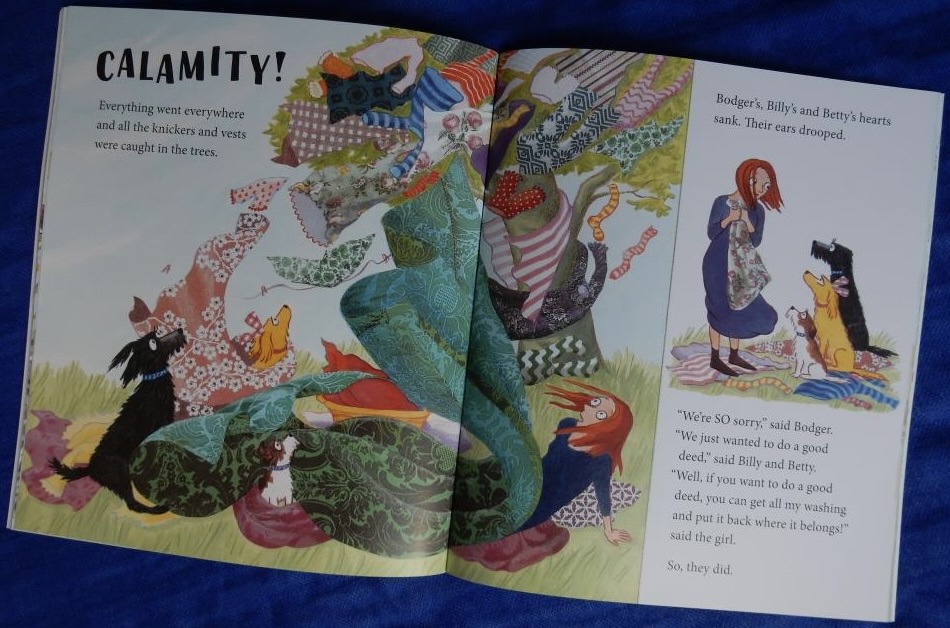
Nothing, it seems, is going right for Old MacDonald, (now an aging fellow) when his beloved farm starts crumbling before his eyes. First it’s the leaking barn roof. So to save his cows from the continual drip, dripping, he takes them off to a grand hotel for a couple of weeks while he attends to the leak. Next, the pigsty begins to sink, so the pigs are taken to join the cows, followed not long after by the loss of the hen coop.

Then the creek runs dry so, on account of no water and thus no grass, the sheep too are taken to become hotel guests.

Back at the farm Old MacDonald looks around. Enough! he decides. He puts the farm up for sale and moves out forthwith. Now, where will they all live … It’s in their happy ever after home. E-I-E-I-O!

Young children will delight in joining in with the animal sounds and repeat refrains, as well as watching the drama unfold in Maria Karipidou’s hilarious, contrasting scenes of the farm and the hotel. Look out for the mice and their diverting antics.

Little Bad Wolf

This is not so much a fractured fairytale more a fairytale prequel.
We first meet the wolf – Baby Wolf – as a cute looking creature but with the habit of gobbling up anything that makes him cross. This distresses his mother and also on his first day at school, the teacher and fellow pupils. Needless to say Wolfie does not get the Star Pupil badge at the end of the week.
The following week though, our lupine resolves not to eat anything annoying, the result being he’s Star Pupil that Friday. His Dad is especially proud and makes Wolfie a swishy red cloak onto which is stitched a golden heart. Almost immediately Wolfie gets blueberry jam on the cloak’s hem.

One lunchtime the cloak disappears and who should arrive the next day but Little Red; guess what she was wearing. Wolfie is certain the garment is his but Little Red comes up with reasons why it’s hers

and this makes him want to revert to his old ways, but the teacher grabs him just in time. Little Red is absent the day after: she’s moved to Australia, so the teacher tells Wolfie who thinks he’ll never regain his cloak.

Years pass, Wolfie grows big and and stops (more or less) consuming annoying things. Then who should appear in the woods but a considerably larger Little Red, still wearing the cloak. “Everyone calls me Little Red Riding Hood now, because of my famous cloak,” she announces, going on to tell Wolfie that she’s off to visit Granny. Now, thinks Wolfie, this is my opportunity to find out if Granny really did made the cloak so he dashes off beating Red to Granny’s abode

and stows her safely away. Rather than spoil this hilarious story, that’s where I’ll leave things.

This is a great read aloud: when I shared it with a five year old relation, her ten year old brother stopped what he was doing to listen in, transfixed by the story even though he couldn’t see Leire Martin’s dramatic portrayals of the action with their fun details.

Mama’s Special Wonton Soup

This story is set in Southern China and begins with Mama announcing to her young daughter that she’s going to make wonton soup for supper that night and asking the girl to go to the market for some meat. Eagerly the child sets off, empty basket in hand and on her way she passes villagers who are already busy at work. What kind people they are: one gives her radishes, another some shrimps, her Grandma gives some sweet persimmons and her aunt gives a hug. Each time she stops the same words are exchanged: “zǎo ān” (Mandarin for “good morning”) and “xiè xiè” (thank you), except that is, when the girl pauses to splash in puddles and later tries using a stick to turn a toad into a prince.

At the meat stall in the market, the girl purchases the special meat her Mama requested and also receives a bone for the family puppy.

Back home once more the chid narrator gives Mama the unexpectedly heavy basket and tells her about how she came by the additional items. “I have an idea,” she then announces and dashes off back to the village to invite various villagers to come and partake of Mama’s tasty meal.

Wai Mei Wong’s charming tale of a warm-hearted village community is portrayed in earthy hues by Xin Yue Zhu whose scenes amplify the kindness of everyone.

A feel-good tale and a reminder of the importance of caring and sharing.

Harry and the Heron

Elsie, Clive and Harry are otters and we first meet the playmates as they practise keeping still by pretending to be logs. This is easy for Elsie and Clive but Harry, no matter how hard he tries, just can’t. Just as he’s about to have one more try he spies something in the reeds and asks the others what it is. ‘Just a heron,” Elsie replies urging Harry to lie down again. As you probably anticipate, Harry keeps fidgeting and staring at the static heron.
The heron, Ray, meanwhile stares at the water wondering why he never gets to play with the otters. Feeling left out, he hunches over and lifts one leg out of the water deciding that ‘Feeling a bit left out is probably the worst feeling in the world!”

Along comes Harry waving and calling hello to Ray. He tells the heron his name and how he loves the way he stays so still. Ray in return says he loves how Harry moves so much. They decide to teach one another their respective skills.

Meanwhile Harry’s otter pals rouse themselves and notice Harry with the heron. The tell the bird to leave Harry and drag their friend away, unaware of the effects it will have on Ray. A dejected Ray goes into miserable mode and Harry begs the other otters let Ray play with them. As Clive gives what he thinks is a good reason for refusing, Harry points out something about Ray, something that the other otters can’t argue with and it changes the way all four creatures feel.

A fun story about including everyone in a group activity. I love the wry humour of Wendy Meddour’s telling and Merle Goll superbly expressive illustrations of characters with their similarities and differences. Definitely a book to share and discuss with younger primary readers and in families.

Lulu Moves Home

There’s soon to be a new addition to Lulu’s family and her parents have decided that their current home won’t be big enough for five people so they need to move.

Mummy has a great packing plan and off they go to buy lots of sticker sheets. Then back indoors they set to work boxing up their things and adding orange stickers to those holding Lulu’s things, green for Zeki’s, yellow for her Mummy and Daddy, blue for the kitchen things and purple for the things belonging in the living room. Mummy also lists the contents of the boxes. Goodness what a protracted process.

However, by the evening virtually everything is packed so it’s fortunate that their upstairs neighbour invites them to share a farewell supper with her.

After breakfast the following morning, everything that will be required straightaway is packed, Mum takes a last minute photo and in come the removal people.
When they reach their new home, all the boxes are waiting and as they contemplate unpacking, their kind new neighbours call bringing dinner.

Then it’s time to begin unpacking and thanks to Mum’s careful planning, all the boxes are where they should be. Lulu puts her important things by her bed before falling fast asleep in her new room.

Another charmer of a story about Lulu et al, and what a brilliant way of organising their move.

Jack the Fairy: The Week the Bad Fairies Escaped / Toby and the Pixies: Pixie Pandemonium

As a member of the magical world, ten year old Jack is not a role model. Indeed he’s broken a couple of rules – taking his wand to school and even worse, letting Charlie, his best friend, know that he’s a fairy. However, when he accidentally magics Charlie through an inter dimensional portal to a sinister place – Lonely Island – home to creatures who hate humans, he has to inform his Mum and Uncle Dave what has happened. His Mum is furious: Uncle Dave says an emergency plan must be put into action. Off they go on operation rescue but they’ll have to contend with snot-firing Bonzo the Bogeyman and the evil Twinkle and her gang who want to take over control of the world.

Can they possibly rescue Charlie? Maybe, with assistance from Father Christmas, the Easter Bunny, the monstrous Nessy and an elf who insists that Charlie’s memory must be wiped.

Liberally scattered with Tom’s black and white illustrations, the whole thing is utterly crazy but huge fun. Ideally you should have read Jack’s previous two adventures before this one, so if you haven’t and you enjoy magical shenanigans, with occasional flatulence, then get hold of all three books and start with The Day the Unicorns Stopped Farting.

There are also plenty of crazy happenings in:

If you don’t know Toby, he is just a normal boy except that he’s accidentally become King of a magical pixie realm hidden at the bottom of his garden. Events herein include a visit to the dentist accompanied by his father, a cooking lesson catastrophe and a dose of a brain power-increasing potion – or is it?
This is chaotic madcap magic and some: you’ll likely end up with aching ribs from laughing as you follow the events herein.

The Angel and the Mermaid

Meet siblings Avery and Mira born one midsummer’s night. Baby Avery was ‘gentle and quiet as the whispering breeze.’ In contrast, baby Mira was ‘as wild and loud as a crashing wave.’ As they grew, despite their differences they spent their days playing together close to their home. However as the days turned to years the siblings become curious about the world and one day Mira suggests they play a game: whoever went the furthest and found the best treasure would be the winner.

Excitedly they begin their quest, Mira diving deep down in the ocean and Avery taking flight to the highest mountain. On their return the two compare treasures and Mira considers her shell the best whereas Avery declares his feather much better.

They squabble and part company but soon begin to miss one another. Suddenly a storm blows in and Mira, concerned for her brother’s safety, determines to find him. Meanwhile Avery is missing his sister too and the thought comes to him that she probably feels the same. Unable to swim, he dives courageously into the waves but starts sinking.

Fortunately a hand stretches out and takes hold of him: it’s Mira, and they give each other sorry, forever friends hugs.

Henceforward no matter where their lives led them, they’d always return home to their special place where sky and sea meet.

An unusual magical tale of two siblings and their unbreakable bond. Becky Cameron’s illustrations are a delight, detailed and capturing the feelings of the siblings beautifully.

Albert’s Bubble Bath / Bert and the Bubble

Albert the bear is a grumpy character but there’s one thing that makes him feel good. No it’s not picnics, nor fishing, and definitely not singing around a campfire: it’s relaxing in a bubble bath. However, Albert’s bubble bath is the envy of the forest creatures and they’re keen to try it too. Albert though, is certainly not going to allow this and makes it quite clear with the signs he puts up around his home. When they have no effect he hires top security, again with no effect. The subterranean relocation of the bath fails too. Time to don those thinking specs Albert. After much hard thinking he has an idea of the constructive kind: surely this must work.

Oops! He hadn’t factored in sharp-beaked birds. POP! Albert plus his beloved bath tumble earthwards but the bath gets stuck before reaching the ground. Reluctantly Albert asks for ideas and up steps a beaver. Maybe he and his family can help … Seemingly they do so in more than one way.
With it’s fun finale this is a dramatic story with plenty of giggle-inducing moments that ensure that the learning to share message is imparted lightly.
It makes a satisfying read aloud and should definitely go down well with foundation stage/ KS1 children.

Also about sharing is:

When Bert the frog finds a beautiful shiny bubble he shows it excitedly to his friend, Sandra. Sandra is eager to hold the bubble; Ben agrees but asks she treat it carefully. Pop! That’s the end of the bubble: clearly Sandra wasn’t careful enough. The following day Bert finds another bubble, a bouncy one that Norman wants to play with. ‘Yes”, Bert says, “But please bring it back.” But Norman fails to do so. Poor Bert is starting to think his bubble luck has run out when down floats the biggest bubble in the world.

So eager is Bert to keep this one safe that he goes to great lengths to protect it. Determined not to share this time, he builds a fort and locks himself and the bubble inside. It’s a tight squeeze but Ben remains shut away pondering upon the terrible consequences should he come out.

Suddenly there’s a tapping on the door accompanied by voices calling him to come out, apologising and promising to be more careful in future: it’s his friends. Out comes Bert and out comes the bubble looking bigger than ever. The three frogs have great fun playing with it all afternoon and just as Bert is thinking he’s having the best time ever …

However now Bert’s reaction is somewhat different. He’s clearly learned that when it comes to friendship and bubbles, one is definitely way more important than the other.
An amusing, learning to share story with funny froggy scenes at every turn of the page.

A Totally Big Umbrella

Tallulah hates the rain; it spoils things for her and after a downpour she dashes inside to her Grandma and asks to borrow her umbrella. Grandma says that the rain has stopped, but Tallulah explains that if it starts again, ‘her life will be ruined’. The girl insists on carrying around the brolly no matter what. However, walking about clutching an umbrella presents Talulah with challenges aplenty, outside, in the classroom and at home.

Nevertheless, back she goes to Grandma, still very concerned and her Gran finds her a larger umbrella and a teapot. Talullah’s worrying continues and so does her brolly carrying.

Then comes the day of Grandma’s party and guess what; down comes heavy rain. Up goes Talulah’s umbrella and she takes cover. However, nobody else seems to be particularly bothered by the downpour.

A realisation dawns: maybe squelchy rain-soaked parties can be fun after all and her constant worrying about the rain means that she’ s missing out on so much.

A sensitively written story infused with gentle humour that is ideal for sharing with young children who will see how it can take some time to overcome anxiety, be it about rain or something else. Sharing ones feelings with a trusted adult or friend is the best way to help manage them. Rebecca Cobb’s portrayal of the endearing Tallulah and her emotional learning journey are truly captivating: I love the range of view-points she has used.

Dragon Cat

A cracking collection of over fifty new poems from Pie Corbett, many of which are of a playful nature, several of which sent me back to my childhood. One of the latter is The School Photo when I was dared to do just what the narrator describes, ‘One year I was placed right on the end / of the line – the idea was that we all stood still while the camera panned round. / I waited till it had taken our side, jumped down and raced behind the rest of the school – to reappear the other end.’ The problem for me was that I got caught in the act.

Another is Owl where one of the verses goes like this:
Owl, owl, / head spinner, fly-by-night,silent flight, / feared by mice and voles. / Owl, owl, / is it true that you’ve taken up residence / in a hole in the trunk of a tree?
An owl had definitely taken up residence in the large oak tree in our garden and I used to get out of bed and sit waiting for it to appear.

Many of the poems are ideal as models to inspire children’s creativity. One such is When I Blew the Magic Dust, which goes on to use this line to begin three subsequent verses. Another is One -Word Bird Poems.

As a Result is great for starting with an image – in Pie’s poem, ‘As a result of dark clouds – snowmen gather at dusk./ As a result of snowmen – no carrots for lunch.’ Children can then explore and create their own concatenations of images and ideas.

This collection is a veritable treasure trove of imagery and the poems are a delight to read aloud.
Pie has used a variety of techniques and poetic forms – acrostics, kennings, riddles and more and employed lots of word play. Indeed there’s humour aplenty, not least in Tom Morgan-Jones’ black and white illustrations.

A must have book for poetry collections both at home and in the classroom. I can’t close without mentioning Torn by War – Ukraine, Palestine and Too Many More: I’d buy the book for this one alone.

Badgers Are Go: Revenge of the Claw

It’s a new term at Rumpington Academy of Badgering and the Major announces excitedly that there is a new member of staff, an inventor, one Professor Archibald Briskwhiskers and from the outset he seems to have taken a dislike to Lulu Rifferton Rear. Moreover, he’s interested in why Lulu hasn’t on this occasion been assigned a mission.

Then comes a notice in the paper concerning a custard craze and guess who is given the role of piloting BOP 92e; that involves so the Prof insists, one simple manoeuvre … The next thing, or almost the next, is that Lulu is accused of a serious crime and there’s only one way to prove her innocence. She must discover the truth by going undercover to Mole HQ.

Full of splendidly scandalous sharp practice on one side and courage, confidence and cleverness, not to mention some treacle, on the other, this will have readers rooting for young Lulu as she goes all out to save the world.

After this deliciously daft adventure, with Nici Gregory’s unforgettable drawings throughout, whither next for our young hero?

Little Snail Goes House-Hunting

Little Snail is an ordinary little snail living in Snail Garden in an ordinary house. Despite loving her large family, Little S sometimes feels rather different and consequently wants to try something different too. She decides to go house-hunting and off she goes hither and thither trying out different life styles, Her first idea is to try living like Frog; yes Frog’s house has its own swimming pool but Little S finds it’s far too wet.

An upside-down house like the bats doesn’t suit her either, nor does the countryside where she feels a tad stuck and as for a house share – that’s a definite no on account of the crowd. Transformational living is another no thank you, as is an underground abode.

Off goes Little S to pay a visit to her aquatic cousins with their variety of houses and even after trying so many different ones, none of them feels like home. A realisation takes place

and back she goes towards Snail Garden in her perfectly sized, perfectly shaped house and there her appearance proves inspirational..

Young children will love following Little Snail as her quest takes her far and wide and will be much amused at the final outcome of her travelling. The story is illustrated with zany humour in Bia Melo’s bright, textured, patterned scenes.

Thank You, Old Oak

Old Oak has flourished in the forest for more than 400 years but now it’s tired and one morning just as Owl has settled into his hole, down she crashes sending him skywards. Then all manner of forest creatures – squirrels, moths and butterflies,

rabbits, possum, deer and black bears gather to show appreciation for the food and shelter Oak has provided over the years. Indeed every branch in the forest is also crowded ‘with noisy nuthatches, blue jays, and thrushes, each crooning a call of gratitude, creating a symphony of crowing, whistling and lively trills.’ All these and more are shown in Amy Schimler-Safford’s mixed media textured illustrations.

Yes, that might be the end for her rooted life but in other ways it’s another beginning. Old Oak still has a key role bringing new life: trees growing nearby gain strength from her minerals, animals of various kinds feast on her trunk and come the spring rains, her softened logs help young mosses and ferns to grow (nurse logs, they’re called, so the information after the story tells us).

It’s wonderful to see a whole new generation of oak seedlings (Old Oak’s legacy), planted by forest animals starting to grow as sunlight fills the earth that Old Oak once shaded.

A moving story that also contains a considerable amount of information about oak trees. Well worth getting for family bookshelves and primary class collections.

The Remembering Candle

This is a beautiful book that teaches young children about the Jewish tradition, Yahrzeit, for remembering lost loved ones. Herein, with a small boy acting as narrator, we join a Jewish family on the anniversary of Grandpa’s death one year ago.. They are observing the tradition of yahrzeit by lighting a candle in honour of his memory. The candle burns from one sunset to the next and during this time the various family members share the wonderful memories they have of him.

Each of their reminiscences links to something Grandpa used to enjoy: looking through a telescope at the night sky, and being shown Orion in the summertime is recalled by the boy;

this prompts him to start creating a memories collage and his sisters joins in making images of Grandpa’s hats. These hats are also remembered by Mum and Aunt Sara who joins the others for lunch bringing one of Grandpa’s favourite desserts to share.

Then Mum sits at the piano and recalls how she and Grandpa used to play duets. All the while the candle burns, then come nighttime again they gather to watch it go out. Yes, there is sadness but Grandpa’s memory still remains bright in their hearts and minds.

Alison Goldberg’s poignant tale shows so well how the ritual and the memories help the family to deal with their grief and Selina Alko’s sensitive, beautifully crafted collage illustrations wherein she uses white dots to great effect throughout, enhance the family’s feeling of connection to the memorial custom and one another.

(After the story are notes from both author and illustrator and information about Yahrzeit, Jewish Memorial traditions and the Jewish Calendar.)

Fox and the Mystery Letter

There’s a clue on the cover as to the sender of the mystery letter Fox receives as he sits alone in his cottage in the middle of a forest. He’s just sat down to breakfast when there’s a knock at the door; it’s a mail bird with a letter for him sent special delivery. It’s ages since Fox has received any post, his last being from … he pushes the thought away and opens the letter. It’s something of a puzzle and instructs him to head to the forest path to begin his journey and is signed ‘from an Old Friend’. After musing on the message he decides to take a quick look at the first clue, so he packs a few things in a bag and sets out, telling himself he’ll come straight back.

Soon he comes upon a fragment of a map and an arrow marked on the ground. He follows the direction of the arrow and the next one, eventually seeing a moose sitting by a campfire waiting. The Moose says, “I have a little gift for you,” handing him a box but refusing to say who it’s from.

Instead he gives Fox a clue – a photograph – and off goes Fox again in a northerly direction as indicated by the compass also in the box.

Come nightfall, after journeying, over land and water and another encounter –

with a Mole this time – Fox is sure he knows the sender of the letter and despite memories he’d been continually pushing to the back of his mind, he finally hears the gentle voice of his dear friend with whom he’d quarrelled so long ago. It had taken a treasure trail to bring him to face his ursine pal and resolve whatever they’d fought about.

Illustrated in Alex Griffiths’ characteristic detailed pen and ink drawing style, coloured in predominantly earthy hues, this is a story of friendship, forgiveness and revealing your true feelings. Sharing this with a KS1 class could lead to some interesting discussion.

The Enchantment of Golden Eagle

Ella and her younger brother, Leif, live with their father in a small village at the edge of a forest. One day the siblings discover a fledgling Golden Eagle with a broken wing. They take it home and with their father’s help, they care for it for seven days and seven nights. With its wing mended, the bird is then ready to fly away but despite having looked longingly skyward, the bird promises to remain with them.

After a while their father is called away and it’s then that the Golden Eagle senses the wind calling and decides to take to the air – ‘just for a moment’. While he’s gone, the children are very frightened.

They tell the eagle that when he returns some time later and Ella even pushes him away when he tries to enfold them in his wings, cursing him thus, “You will fly without stopping for a year and a day.” Off he flies through all kinds of weather, longing for a rest, for the chirping of other birds and for warmth from a wing.

Eventually, completely exhausted the eagle drifts home once more and is greeted by Leif. As they face one another, eagle and Ella, the girl says that the curse wasn’t real and apologies are made. The three celebrate that night and Ella imagines the future when the Golden Eagle is once again well and strong, ‘larking about in the sky as all birds do.’

This is a multi-layered story that can be interpreted in many ways depending on the reader. Stephen Michael King’s wonderful ink and watercolour illustrations of Lief, Ella and their world work in harmony with Margaret Wild’s text with its themes of letting go, forgiveness and appreciation.

Beastie Bros: Dungeons and Dragonflies

Set in Bugtown, this second adventure of best friends Dribble the snail and Dash the firefly sees the two attempt to recover a priceless treasure.

It’s festival time in Bugtown and after an embarrassing moment, or several, with Dribble’s Tummy Tickler invention, they come upon their friend Tilda the earthworm. She suggests they join her on a tour to see the display of the queen ant’s crown jewels. Dribble and Dash are somewhat suspicious of the bus driver and tour guide but they climb aboard nonetheless and the bad feeling Dash has worsens at the sight of the dung beetle passengers already seated.

Having arrived at the displays the friends are taken o a huge room wherein they are shown a fabulous addition to the queen’s collection of gemstones, the Gumdrop of Light.

As they gaze at it some fireworks are thrown, the Gumdrop of Light disappears and so it’s announced, some visitors have been kidnapped.

Realising that his bad feeling about some of those dung beetles was justified, Dash tells Dribble that they are actually master criminals, the Dung Heap Gang. Almost immediately Dash and Dribble are hot on the trail. They pursue the thieves into the maze of dark tunnels. where they soon find themselves confronting gigantic dragonflies; moreover the two friends get separated.

Can the heroic pair find a way to get past the menacing beasties, and can they locate the criminals, retrieve the precious gemstone and restore it to the rightful owner?

Full of zany drawings, a choose your own adventure chapter, a poem about custard and much more including a smashing supporting cast, the entire story is absolutely bonkers and enormous fun. On the serious side, the author aka Professor Crispin T. Earthworm has provided some fascinating bug facts and there are ideas for readers to create their own fantasy stories and a game.

Newly confident solo readers and those sharing the book will relish this.

Medusa Gorgon’s Bad Hair Day

Meet Medusa Gorgon age twelve. She works as a guardian in the temple of the goddess Athena. Medusa is rather hot-tempered and her best friend, Arachne has suggested that writing a diary to release and channel her feelings would help her. A good idea indeed but then Medusa upsets Athena who banishes her to the twenty-first century to retrieve the goddesses’ shield, the very shield and prized possession that Medusa might have disposed of into Hades’ well in a fit of anger over her friend, Arachne, being turned into a spider.

The outcome is that Medusa’s life becomes a series of very bad days. For starters, thanks to Athena, she’s had her hair changed into snakes, ‘vile, ugly, angry, slithering snakes’ that constantly hiss atop her head. There’s an awful lot to learn in this place of banishment including things relating to human homes in England. She certainly can’t let her ‘carers’ do such things as drink from the toilet

and as for life at Shadwell Academy secondary school, bewilderment doesn’t come into it. Then comes the language issue: yes she is able to understand and speak the language of the twenty-first century but ‘actually knowing what they’re talking about’ is a very different matter (so true). And who should Medusa try to make friends with – another tricky thing to try and get right.

With friendship at the heart of the whole story, this is a great read – funny, pacy and splendidly illustrated by Katie Abey. The book draws quite heavily on the Greek myths but it matters not if readers are familiar with Medusa, Arachne, Athena, Hades et al. (I should mention that there’s an on-going correspondence between Athena and Hades via Hermes Express Air Tortoise aka H.E.A.T.) And as for the shield – is it ever returned to Athena? Then what about the fate of Arachne? To find out, you must get a copy of this hilarious book for yourself.

The Great Nut Hunt

Squirrel has spent a lot of time and energy collecting nuts, so much so that his home is full and he has to stash lots of them around in the woods. But then he realises that he’s completely forgotten where they are. Off he goes to Bear’s cave; maybe he’s left them there. Bear is fast asleep but is disturbed by Squirrel’s intrusion as he grabs a case in his paws and beats a hasty retreat. Anticipating a breakfast of nuts, Squirrel opens the case only to discover a sock.

Off he goes again on his nut search, next stop Owl’s. Owl seems to be out so up the tree goes Squirrel, ‘Sneakily, Sneakily, Snoopily …’ Squirrel makes off with a sack of … nuts, he expects. But …

Beaver’s dam is his third possibility but there are no nuts there either. Squirrel is by now looking so down in the dumps, his friends ask if he’s OK. Squirrel apologies for being a bad friend but the other animals respond by offering to join the nut hunt. They look in lots of possible places but of a nut there’s no sign. Suddenly Owl realises what has happened to all the nuts Squirrel buried. Can you guess what is revealed?

Karl’s rhyming text bounces along in dialogue form and in combination with Nia Havilliard’s dramatic scenes of the search and animal interactions, makes for a fun read aloud, one I’d suggest saving for the autumn to share with young children.

Funnily enough my partner pointed out three saplings growing in the front garden our home yesterday. “Those are black walnuts buried by squirrels and unfortunately are totally unsuitable to grow where they’ve been planted, less than a metre from the front wall of the house,” he said.

Max & Chaffy: What A Delicious Discovery!

As this story begins Max and Chaffy are sound asleep in the lighthouse but then a massive explosion wakes them from their slumbers: their help is needed urgently. The sound emanated from the bakery where Crumble lives and she’s having a crisis of confidence. Her new recipe has gone completely wrong and apparently so have her other recent recipes. The last time one went according to plan was when she was at baking school with her best friend and baking partner, Sprinkles.

Sprinkles now lives far away on Food Island and Max resolves to see the two reunited. Captain Foghorn refuses to take them in his boat but fortunately along comes Orlando Pig in a new hot air balloon. With thoughts of some possible new chaffies for Max’s book off they fly and after a somewhat hazardous landing at their destination, the friends are greeted by Mayor Chomp Chomp. He informs them that the Grand Food Festival is taking place but every recipe the chefs prepare ends up tasting disgusting.

Unsurprisingly Max offers to help find out why, the first stop being Pasta Hills. The pasta looks good but as Pasta Pete explains everything is going wrong.

Chaffy disappears and reappears to report a displaced Burger Chaffy. And so begins a concatenation of brand new chaffy findings in different locations on the island. There’s one in Veggie Park, another in Sushi Land and one more in Bakersville – brand new flavoursome combinations galore. But in Bakersville Crumble’s old pal Sprinkles just isn’t coming up with the goodies any more: time for them to start inspiring one another all over again. As for the Grand Food Festival – who will collect the winners’ cup?

A tasty treat that includes a ‘Help Max find Chaffy’ spread at the end of each part and a help Sprinkles locate his lost ingredients. With its brightly hued panels, established fans of Max and Chaffy will gobble up this fifth book and the two will likely win lots of new followers too

Froggy: A Pond Full of Pals!

Froggy lives with his parents and lots of other frogs in a village until one day he decides it’s the right day for him to set off on an adventure. He collects his belongings together and sets off to the stream where, having promised his parents that he’ll write home, he’s seen off by all the frogs of the village, Froggy’s adventuring has begun.

Almost immediately though, a hungry bird seizes him in its beak, lily pad boat and all. But Froggy has no intention of being another creature’s next meal and he manages to escape, plunges downwards landing on the earth with a thump and enters an ancient pond. There he meets and is befriended by a fish that introduces itself as Fishtopher. However the next thing Froggy knows – he has a big heart after all – is that he’s coming to the aid of a love struck bee. When hunger strikes Froggy finds himself sharing delicious treats with all manner of other creatures in the wondrous forested place he’s adventuring in.

Further encounters see him engaging with humans – not a happy experience, a nine hundred year old fluffy being, a wizard and in between finding time to send his parents occasional letters by snail mail.
You’ll find Froggy experiencing wonder, frustration, loneliness, and delight especially at a joyful reunion, during the course of his adventuring.

Divided into ten chapters and illustrated in vibrant shades, this is just the book to tuck into your own backpack, find a shady spot to sit down by the waterside and enjoy adventuring along with the endearing protagonist.

The Snappy Shark

It’s not a good day for Mark the shark.When he plays with his friends nothing goes right be it during the hide-and-seek game,

the painting session or the shell hunting. Eventually he swims off in a big huff and goes into a cave, overwhelmed by his feelings.

Alone now, Mark has time to think and he recalls how his inability to keep his temper in check has upset his pals. Several slow, deep breaths later, Mark feels a lot better and ready to apologise to his playmates for his snappiness. “I’ll NEVER snap again,” he promises but suddenly a large fishing net entraps them all. Now Mark has a dilemma: to snap or not to snap …

Fortunately for all, he makes the right decision and henceforward he’s a ‘brand-new fish’ safe in the knowledge that he has a strategy to use whenever he starts feeling stressed and tempted to snap. Moreover his friends know the perfect game they can all enjoy together.

All children feel overwhelmed by their feelings from time to time and the calming strategy Mark used in Michelle’s fun rhyming narrative is one that any youngster should learn to do.

Hangry

Whenever Evangeline feels hunger pangs she gets grumpy. This is a frequent occurrence: it happens when she wakes up but once she’s had a snack, she feels better again albeit only temporarily. After breakfast as she heads to school all is well: Evangeline is a happy girl but come lunchtime, those rumbles return and once again she’s HANGRY! Woe betide anyone who crosses her path.

Hunger satisfied again after consuming her packed lunch, Evangeline enjoys the afternoon session, yet when school is over for the day back comes that HANGRY monster. Her poor mother has to put up with her demands to know when dinner will be ready, which of course delays things monstrously. Can a snack sate her monstrous appetite?

Told through Kathryn Wanless’s jaunty rhyming text and Fred Blunt comical scenes of what we’re led to believe is a typical day in the life of young Evangeline, this zany story will resonate with parents of many young children and those they share the book with will likely find they see themselves in Evangelina, when they have rumbly tummies.

Perfect Pedro

Meet Pedro, he’s a perfectionist. His toys are always perfectly organised, his name perfectly spelled, he plays only perfect dings on his triangle and performs perfect somersaults. However despite all this, there’s something lacking in his almost perfect life. He doesn’t have the perfect friend and he really needs one soon as the school talent show is imminent and for that he wants a perfect partner.

Step forward Poppy one playtime. At first everything she does is perfect and then Pedro is invited to play at Poppy’s home after school one day. All starts perfectly but soon things deteriorate. Poppy’s chip eating disgusts Pedro and despite being too polite to comment at first, eventually he shouts out, “Your manners aren’t perfect at all!”. Poppy retaliates pointing out that his are equally imperfect.

Nevertheless the pair have a show to rehearse and this they are determined, will be performed to perfection.. Errr! looks as though this might not be the case. PIC Pedro decides that they should each do their own routine and Poppy stomps off in a huff.

Back at home Pedro practises into the night and as a consequence is tired and edgy the following day. Up steps Poppy to do her routine; it’s not perfect but a crowd-pleaser nonetheless. Then comes Pedro, starting perfectly but then OOPS!

Now what? Can Poppy perhaps save the day? Possibly, so long as Pedro can finally embrace imperfection …

Ella Okstad’s characters are a joy and the inherent message in Simon Philip’s pitch perfect text is an important one. Every child deserves a friend as perfectly imperfect as Poppy. After all no-one is perfect and too many children from far too young an age worry about their imperfections, which after all, are part of what makes everyone unique.

A perfectly delightful story to share and discuss at home and in EYFS/KS1 classrooms.

No, I’m a … Flamingo!

Like many three and a half year olds, the little girl narrator of this story only ever wants to wear one particular item of clothing. In this case a pink flamingo onesie. I had a relation who at the same age insisted on wearing what she called her fruit shorts wherever she went.

Our narrator’s patient Dad suggests that as it’s very hot, she should put on her elephant T-shirt. You can guess the response. A panda themed offering is similarly rejected. So, he tries clothes depicting a different sort of bird – a penguin, or a puffin perhaps?

“NO, I’M A FLAMINGO! I only wear pink.” comes the reply.

Now this Dad knows something about flamingos that his little daughter does not. At her age, flamingos are grey and only turn pink when they’re older. Time to find that old grey T-shirt.

Suddenly the little girl is a flamingo no longer so Dad quickly produces some jazzy shorts. Dad might know more about flamingos but our narrator is a creative thinker … Will they ever leave the house and if so, what will that little girl be wearing?

The combination of Catherine Robertson’s text that takes the form of the dialogue between father and daughter and Ana Gomez’s disarmingly charming scenes will ring true with many adult sharers whereas young listeners will find the little girl’s choice entirely logical and delight in the final twist to the tale.

Frank is a Butterfly

The story starts with ten caterpillars of various shapes and sizes all munching on a leaf for breakfast. There are caterpillars small, caterpillars large, caterpillars short, caterpillars long, hairy caterpillars and hairless ones and nine have a spotty and stripy pattern of some kind. The tenth one, Frank is brown and bears no distinctive marks. In between nibbles the nine talk of the kind of butterfly they will morph into. One says ‘magnificent’, another ‘handsome’, a third the prettiest … on Earth’, the fourth ‘fabulous’ and so on. Frank, in contrast says nothing; he’s ‘happy to be a plain, medium-sized caterpillar on a leaf in the sunshine.’it’s not long before the caterpillars turn into chrysalises to await their transformation.
When they emerge from their chrysalises, despite looking gorgeous, nine of the butterflies are thoroughly dissatisfied with their appearance: they definitely do not live up to their expectations.

Finally Frank appears and he’s elated with his plain strong brown wings that will enable him to take to the air: he anticipates a world of flowers.

After some time, thanks to Frank’s positive example,

the other butterflies realise that what is more important than appearance is being free to explore the beauty around them without that nagging feeling that you’re not enough.

Alex’s richly hued scenes have a gentle humour about them that ensures that the important messages about self-acceptance and self-possession in his words don’t weigh heavy.
(After the story there’s a page showing Frank’s life cycle from egg to butterfly.)

A book for family bookshelves and KS1 class collections.

Paul the Peacock (Reluctantly) To the Rescue

Time was Paul the Peacock was the most egotistical creature in the forest but recently he’s endeavouring to live up to his new persona as Mr Nice. It’s exhausting however and he longs for a brief spell of peace and quiet. While snatching a few relaxing moments alone, his slumbers are disturbed by the arrival of a letter. This he throws away without bothering to open it and continues snoozing, albeit briefly, for a few minutes later, there is Norris clutching the now opened letter and looking very worried. The letter is from Paul’s cousin Connie the Peahen far away and Paul’s help is urgently required.

Immediately Norris packs their bags and off they sail to save the day, After a testing journey over stormy waters, through a horrendously hot deserts, up the side of a bubbling volcano they eventually reach the forest. Now to find Connie. The local creatures are unhelpful but then a gorilla appears and points to the direction in which Connie lives. Or does she? All they discover when they reach the spot is one egg in an abandoned nest. Norris begins a series of attempts to get the egg to respond. They’re on the point of giving up and returning from whence they came when the egg cracks revealing a perfect peachick.
At Norris’s insistence Paul agrees that after he’s rested they should take it home with them.

Norris goes to find the best route and Paul convinces himself that he’s been left by his best pal. Not by Chick though: the fluffy creature has already become a Paul devotee.

Next morning with the three of them reunited, they prepare for the homeward journey. Suddenly Connie appears whereupon Paul decides that he and Norris have one final task before their departure …
Thanks to Chick, Paul has learned that caring has something to offer even the most selfish animal.

A droll telling that carries vital messages about loving and caring and the environment, with some deadpan comic incidents theatrically portrayed in Tilly Matthews’ scenes.

Snore, Sneeze, Burp!

Body emanations, be they sounds or smells often feature in books; this one focuses on the former. In the company of some children and Charlie, a ‘brainy’ dog, readers will discover why we humans (and other animals) are sometimes noisy by accident.

In addition to the titular burps, snores and sneezes, several other sounds are discussed. I had to laugh when I read that the scientific term for the gurgling noises caused by muscles moving food and liquid through the stomach and intestines is borborygmi.

As well as those snorty snores lots of people make when they’re asleep, sometimes a person might talk in their sleep. Children, we read, sleep talk more often than adults.
Hiccups are particularly annoying especially when they seem to start for no apparent reason and none of the cures suggested work for me. Apparently hundreds of years ago elves were blamed for hiccups in England.

Other spreads explore those clicks, creaks and pops that various joints in our bodies might make;

sounds a doctor may explore with a stethoscope; deliberate noises we make to convey a message such as clapping to show appreciation; ‘shushing’ to indicate to ‘be quiet’ and finally comes what is deemed the best sound of all – laughing. The book ends with some suggestions about how to be a ‘body noise hero’.

Moira Butterfield has a special skill: when writing for primary age children, especially those in KS1, she includes lots of facts but the style she adopts makes it seem as though she is talking directly to readers. There’s often a gentle humour that engages children from the outset and Ro Ledesma captures that gentle humour in her bright, colourful illustrations.

How to Tame a Mummy Monster

Siblings Ruby and Junie are perpetual bickerers. They argue over breakfast, they pick a fight over a pencil (albeit a special one) and come to blows over clothes. “You two are acting like cheeky monsters! How would you like it if I was a monster all day?” their Mum says. The bickerers dismiss this as an impossibility.

However, they are so sure of this that they don’t notice that their Mummy has indeed morphed into a huffing, fluffy-tailed, horned being, one that gobbles up their favourite snacks.

Not only that but Mummy Monster starts using Ruby’s special pencil,

trying on the sisters’ clothes and generally creating havoc: a taste of their own medicine indeed and enough is enough. They really need to turn Mummy Monster back into nice Mummy and as soon as they possibly can. Of course, to do this they’ll need to set aside their own silly squabbles and find their affable selves again.

Rochelle Falconer’s debut picture book is imbued with humour, engaging and shows the ups and downs of family life. Young children will love the drama and the story’s denouement.

Is It Asleep?

If you’ve read Tallec’s A Better Best Friend, you will already be familiar with best friends Squirrel (the narrator) and talking mushroom Pock. One of the things they love to do is to sit and watch the birds flashing past but on this particular day. having grown tired of so doing, they’ve moved on to the meadow to listen to their favourite bird, the blackbird. However, after searching carefully, eventually they spot it lying motionless on the path; perhaps it’s deeply asleep. After waiting quietly for some time for it to wake up. they decide to try being noisy but this has no effect so they fetch Gunther the mouse. Gunther’s idea of launching the bird into the sky doesn’t work and that’s when Pock suggests that perhaps it’s dead.

After another long wait they all decide that indeed the blackbird has in fact, died.
Working together the three bury it under a large pile of the prettiest leaves they can find

and once this is complete Gunther reads a poem, after which they stand and Squirrel thinks about the beautiful songs the blackbird sang. Having thought about ways to remember the bird, they pay it tribute in the very best way possible and finally a different bird pours forth its beautiful song.

A poignant story that explores death simply and frankly and in so doing, offers possible starting points for adults in school or at home to discuss with young children what can be a very difficult topic. That the book’s creator has given the story an autumnal setting is especially appropriate: the warm red and gold hues of the scenes subtly convey sadness and the sense of an ending.

I Am So Strong

Self-opinionated and a bully, wolf decides to go for a walk in the woods and while so doing find out what others think of him. His first encounter is with a tiny rabbit. In response to wolf’s question, “Tell me, who do you think is the strongest around here?” the rabbit answers that it’s certainly Mister Wolf. This boosts the lupine’s ego (not that it needs any boosting) and he continues on this way. Little Red Riding Hood, the three little pigs and the seven dwarves respond in similar fashion.

Wolf decides it’s his best ever day but then he meets ‘a little toad of some sort.’ Could wolf be about to get his comeuppance at last?

At each encounter it appears that the wolf is thinking of something else in addition to polishing his ego: he addresses the little rabbit as ‘sugar bun’, Red Riding Hood is told she looks sweet enough to eat and called my little strawberry and the three little pigs are ‘little bacon bits’: is he creating a mental menu?

A thoroughly nasty bully finding someone who stands up to them calmly is a really satisfying occurrence, be the bullying physical, verbal or psychological and in this instance the little toad’ s use of calm reasoning completely surprises the wolf, pulling the rug from under his feet.

With Ramos’ s bold bright illustrations, repetitive textual pattern and almost exclusively conversational style narrative, this is a great book for dramatic reading aloud. (Imagine yourself with wolf’s super-scary teeth as you share it) I wonder what that little red bird watching the action from the safety of a tree branch is thinking: why not try asking your listeners.